



The Unsung Hero of the Pantry
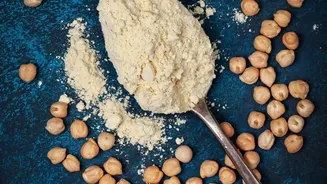
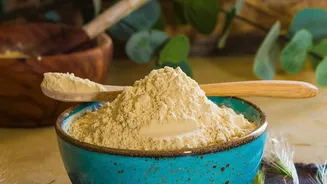
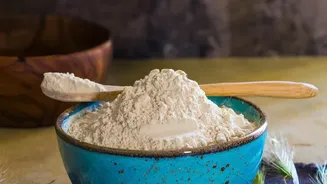
Sattu is a flour traditionally made by dry-roasting Bengal gram (chana) and grinding it into a fine powder. For centuries, it has been a staple in states like Bihar, Jharkhand, and Uttar Pradesh, relied upon by farmers and labourers for sustained energy
during long days of physical work. Its reputation as the “poor man’s protein” highlights its affordability and accessibility. But modern nutritional science confirms what generations have known: sattu is a powerhouse of nutrients, perfectly suited for athletic recovery and muscle health. The simple roasting process not only enhances its flavour but also makes it easier to digest, all without needing preservatives.
The Science of Post-Workout Recovery
After a tough workout, muscles need protein to repair and rebuild. Sattu delivers, offering an impressive 20-25 grams of plant-based protein per 100 grams. This protein, rich in essential amino acids, aids in repairing the micro-tears in muscle tissue that occur during exercise, which can reduce soreness and improve stamina. Beyond protein, sattu is packed with complex carbohydrates that provide a slow, steady release of energy, helping to replenish depleted glycogen stores without the sugar crash associated with many commercial energy drinks. It's also an excellent source of dietary fibre, which supports gut health and nutrient absorption, along with vital minerals like iron and magnesium that are crucial for energy production and muscle function.
Building the Perfect Recovery Bowl
Turning sattu flour into a recovery bowl is simpler than you might think. The key is to start with a smooth, lump-free base. Begin by taking 3-4 tablespoons of sattu in a bowl. Add a small amount of liquid—like water, milk, or curd—and whisk it into a thick paste. This initial step is crucial to prevent clumps. Once you have a smooth paste, gradually stir in more liquid until you reach your desired consistency, which can range from a thick porridge to a spoonable smoothie. For a traditional savoury flavour, you can mix it with water or buttermilk and add a pinch of black salt, roasted cumin powder, and a squeeze of lemon juice. For a sweeter base, milk (dairy or plant-based) or curd works well.
Power-Up Your Bowl with Toppings
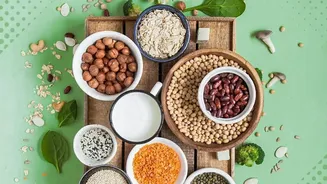
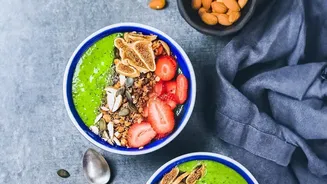
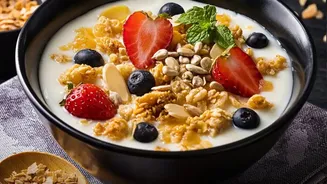
The base is just the beginning. The real magic happens when you customize your bowl with toppings that add flavour, texture, and even more nutritional value. For a sweet and powerful bowl, blend the sattu base with a ripe banana for natural sweetness and potassium. Then, top it with chopped nuts like almonds and walnuts for healthy fats, and seeds like chia or pumpkin for extra fibre and minerals. A drizzle of honey or a spoonful of jaggery can provide a quick energy boost. If you prefer a savoury bowl, consider adding finely chopped onions, fresh coriander, and mint leaves for a refreshing kick. These additions transform the simple sattu mixture into a satisfying and complete recovery meal.
Timing, Hydration, and Other Benefits
To maximize its muscle-building benefits, it's best to consume your sattu recovery bowl within two hours of finishing your workout. This is when your muscles are most receptive to protein for synthesis and repair. Sattu also has natural cooling properties, making it an excellent choice for rehydrating after a strenuous session, especially in India’s hot climate. When mixed with water and salt, it acts as a natural electrolyte drink, replenishing what was lost through sweat. Because it’s high in fibre and low on the glycemic index, it keeps you feeling full and energized for longer, helping to curb unhealthy snacking and support overall weight management.