



From Traditional Teas to a Global Brew
Bengaluru has always been a city of devoted beverage drinkers. From the strong, aromatic filter coffee sipped in old-world darshinis to the spiced comfort of chai, its identity is deeply steeped in tradition. Yet, walk through the bustling lanes of Indiranagar
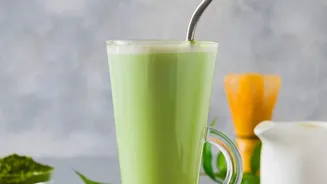
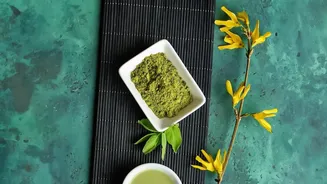
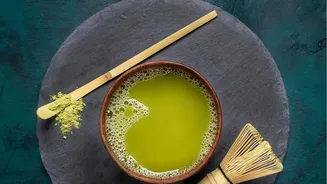
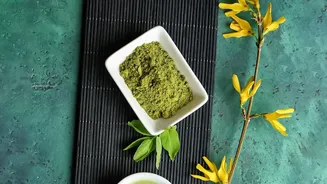
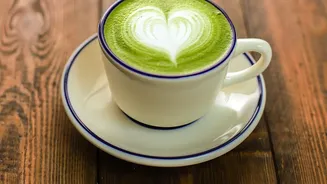
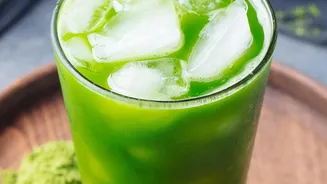
or Koramangala today, and you'll notice a new addition to the menu. Minimalist cafés with serene aesthetics are serving up vivid green lattes, desserts, and ceremonial teas. Matcha, the finely ground powder of specially grown Japanese green tea leaves, has firmly arrived. This isn't just a new drink; it represents a significant cultural moment for a city known for embracing the new while cherishing the old. The rise of dedicated matcha bars like Sakura Matcha Bar and Turtle Matcha signals a curiosity that goes beyond the familiar.
What's Driving the Green Rush?
The popularity of matcha is not accidental. It's a confluence of several modern trends, particularly potent among Bengaluru's young, cosmopolitan population. Firstly, there’s the undeniable influence of social media. The drink's bright green colour is highly photogenic, making it a star on Instagram feeds. But beneath the aesthetics lies a strong wellness narrative. Matcha is packed with antioxidants and offers a 'calm-alert' state thanks to the amino acid L-theanine, providing a gentler caffeine kick than coffee without the jitters. This appeals to a health-conscious generation looking for alternatives to sugary drinks and intense coffee highs. As a result, the Indian matcha market is experiencing significant growth, projected to expand at a rate of 8.6% annually.
An Experience, Not Just a Drink
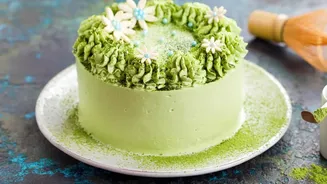
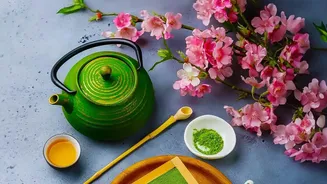
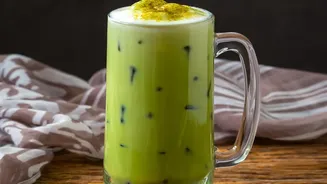
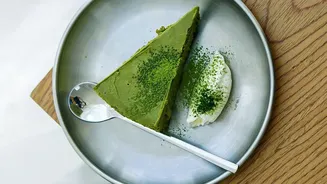
Unlike grabbing a quick coffee, the new matcha cafés in Bengaluru are selling an experience. Many, like Purpose Matcha + Coffee House and Mai Matcha Haus, adopt a minimalist, Japanese-inspired decor, creating calm oases in the middle of a bustling city. The menu often extends far beyond a simple latte. Customers can explore ceremonial grade matcha prepared traditionally, or try it in inventive forms like cheesecakes, soft serves, cookies, and even bubble tea. This versatility is key to its appeal. It can be a morning ritual, a dessert, or a refreshing afternoon drink. These establishments are not just selling a product; they are offering a slice of global culture, from the traditional whisking process to the unique umami flavour profile that is new to many Indian palates.
Bengaluru's Palate Goes Global
The matcha trend doesn't exist in a vacuum. It’s part of a larger story about Bengaluru's evolving food scene. In recent years, the city has seen a boom in global culinary trends, from the explosion of Korean cafés and ramen bars to the widespread adoption of sourdough bread and specialty coffee. Bengaluru’s residents, a mix of locals, expats, and professionals from across India, are increasingly well-travelled and digitally connected. They are eager to explore global flavours and experiences. Cafés that once focused solely on coffee, like Blue Tokai and Third Wave Coffee, were among the first to add matcha to their menus, recognizing it as a natural extension of the 'craft beverage' culture. The city’s appetite is clearly becoming more international, seeking authenticity and newness in equal measure.
Is Matcha Here to Stay?
While some may dismiss it as another social media fad, the evidence suggests matcha has deeper roots. Its staying power lies in its unique blend of health benefits, cultural intrigue, and versatility. Unlike fleeting trends, matcha is integrating itself into daily rituals for many, seen as a long-term wellness choice rather than a temporary indulgence. It has moved beyond niche wellness circles to become a staple on menus at major chains. The conversation has shifted from 'what is matcha?' to 'which grade of matcha do you prefer?'. As long as Bengaluru remains a city that values both innovation and well-being, this green brew from Japan appears to have found a welcoming second home.