



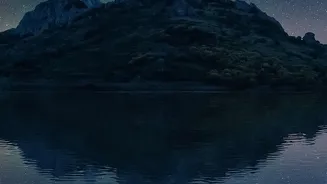
The Winter Resort Rut
For many, the annual winter holiday means heading to a popular mountain resort. While the appeal of snow-capped peaks and cosy lodges is undeniable, the reality can often be less than relaxing. Commercial winter resorts are frequently associated with
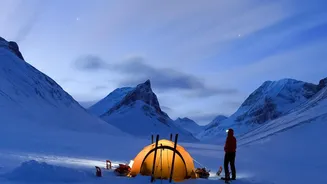
significant crowds, long waits for ski lifts, and high prices for everything from accommodation to a warm meal. The search for fresh powder can turn into a competition, and the promise of a quiet retreat often gets lost amidst the noise and bustling activity. This experience can leave travellers feeling like they need a vacation from their vacation.
A Celestial Escape
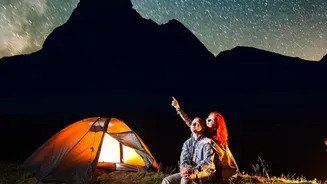
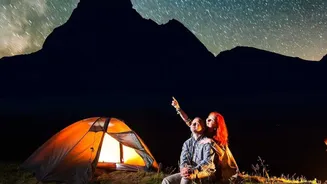
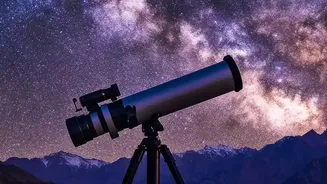
Astrotourism, sometimes called dark sky tourism, is travel for the express purpose of observing the night sky. It involves journeying to locations with minimal light pollution, allowing for breathtaking, unobscured views of stars, planets, meteor showers, and the Milky Way. This emerging travel trend caters to a growing desire for authentic experiences, a deeper connection with nature, and a genuine escape from the sensory overload of urban life. Unlike the high-octane energy of a ski resort, the focus of astrotourism is on stillness, wonder, and quiet contemplation of the cosmos.
The Allure of India's Dark Skies
India, with its diverse geography, is quickly becoming a premier destination for stargazers. The country offers a unique combination of high-altitude deserts, remote mountain valleys, and vast salt flats that provide some of the darkest and clearest skies in the world. Places like Ladakh and Spiti Valley in the Himalayas offer high altitudes and dry, thin air, which create near-perfect astronomical viewing conditions. These regions have extremely low population density and minimal artificial light, resulting in a pristine darkness that allows the Milky Way to be seen in spectacular detail, often with the naked eye.
Your Gateway to the Stars in India
India is now home to designated dark sky areas committed to preserving their natural darkness. The Hanle Dark Sky Reserve in Ladakh, India's first, is a world-class site for both professional astronomers and amateur enthusiasts. At an altitude of about 4,500 metres, it offers over 200 clear nights a year. Another key location is the Pench Tiger Reserve in Maharashtra, which has been designated as India's first Dark Sky Park. Other notable destinations for stargazing include the remote desert landscapes of Jaisalmer in Rajasthan, the white desert of the Rann of Kutch in Gujarat, and serene spots in the mountains of Uttarakhand and Himachal Pradesh.
What to Expect on a Stargazing Trip
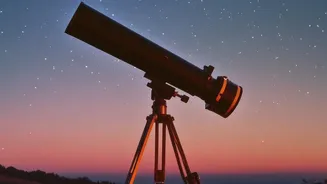
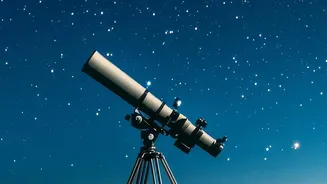
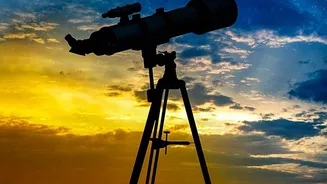
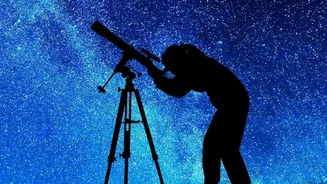
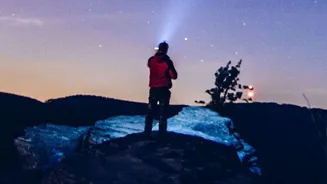
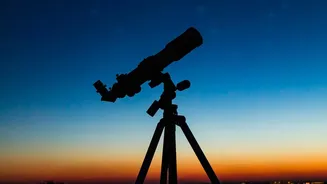
A trip focused on astrotourism is an immersive experience. Many operators offer guided tours that include access to powerful telescopes and knowledgeable guides who can point out constellations, planets, and distant galaxies. Activities often include night-sky photography workshops, storytelling sessions based on celestial myths, and simply lying back to watch for shooting stars. The experience is not about luxury in the traditional sense, but about the richness of the natural spectacle. It requires some preparation—warm clothing is essential, as the best viewing nights are often cold and clear. Planning your trip around a new moon is also recommended to ensure the darkest possible skies.