



The Social Media Mood Board
In the digital age, platforms like Instagram and Pinterest have become the primary source of inspiration for everything from fashion to food, and festive decor is no exception. The visual-first nature of these platforms makes them perfect showcases for stunning
floral arrangements, turning them into virtual mood boards for millions. Before, festive flower choices were often guided by tradition—marigolds for Diwali, jasmine for temple offerings. Now, a single viral post can ignite a nationwide trend, introducing new flowers, colour palettes, and styles into the festive lexicon. This shift has made discovering and selecting flowers for festivals a more dynamic and interactive process, driven by global aesthetics and influencer-led trends.
A New Festive Aesthetic
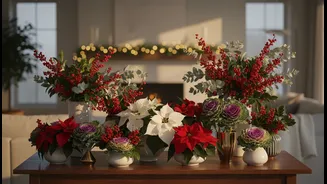
The influence of social media has ushered in a significant aesthetic shift. While traditional flowers remain beloved, there's a growing appetite for arrangements that are unique and, most importantly, photogenic. This has popularised trends like monochromatic bouquets, where arrangements are created using varying shades of a single colour, and the use of unconventional, sculptural flowers like proteas and anthuriums. The 2026 floral trends point towards more intentional, structured designs inspired by architecture, moving away from purely natural, garden-style looks. Earthy tones, romantic pastels, and arrangements mixing fresh flowers with dried elements like eucalyptus or pampas grass are also gaining immense popularity, offering texture and longevity. Even fruits and vegetables are being incorporated into tablescapes for a unique, sensory experience.
The Rise of the Insta-Florist
This digital-first approach to floral design has given rise to a new breed of entrepreneur: the 'Insta-florist'. These are often small, online-first businesses that leverage social media to build a brand, connect with customers, and sell curated, modern floral creations. By showcasing their work through high-quality photos and engaging Reels, they attract a clientele that values artistry and personal style. Online flower delivery services have boomed, offering convenience, a wider selection, and even same-day delivery, breaking down geographical barriers. This model allows them to respond quickly to viral trends and offer customised arrangements that cater directly to the tastes of a digitally-savvy generation.
From Buying to Doing-It-Yourself
The trend isn't just about consumption; it's also about creation. Inspired by the beautiful arrangements on their feeds, many people are eager to try their hand at floral design themselves. This has fuelled a surge in popularity for floral arrangement workshops, both online and in-person. Floral design academies and studios across India now offer specialised workshops for festivals like Diwali, Ganpati, and Christmas, teaching participants how to create trendy backdrops and centrepieces. These workshops are not only about learning a new skill but also about the experience—a therapeutic and creative way to engage with festive preparations. DIY kits, promoted by retailers and influencers, further empower consumers to become their own floral designers.
Impact on the Wider Industry
This digital revolution is having a profound impact on the entire floral industry, from growers to traditional local vendors. The demand for new and exotic flower varieties, driven by social media trends, is forcing growers and wholesalers to diversify what they cultivate. While online platforms present a challenge to brick-and-mortar shops, they also offer an opportunity. Many traditional florists are now embracing social media to showcase their offerings, reach a wider audience, and highlight their commitment to sustainable or locally-sourced blooms. Technology, from AI-powered analytics that predict trends to simple real-time order tracking, is helping the industry become more efficient and responsive to the modern consumer's desire for beauty, convenience, and a compelling story behind their purchase.