

Maharashtra: The Glow of Kandils and Taste of Faral
In Maharashtra, the festive spirit arrives with the hanging of the 'Akash Kandil', intricate paper and wood lanterns that bob in the breeze outside homes, casting a colourful glow. These lanterns are a quintessential part of the state's Diwali decor.
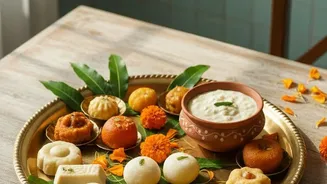
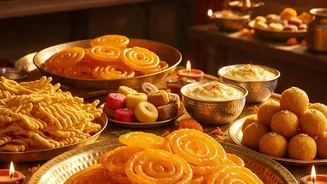
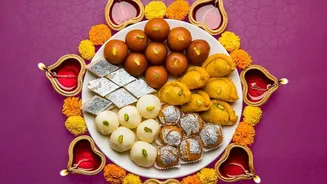
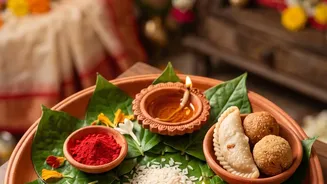
But the heart of a Maharashtrian celebration is the 'Faral'—a platter of assorted sweet and savoury homemade snacks. Families spend days preparing delights like crispy 'Chakli', diamond-shaped 'Shankarpali', sweet 'Karanji' pastries, and rich 'Besan Ladoos'. This tradition of preparing and sharing Faral with neighbours and friends is a cherished ritual, embodying the spirit of community and togetherness that defines the festival.
Gujarat: Welcoming Prosperity with Torans
In Gujarat, the entrance to the home is the focal point of Diwali decorations, designed to welcome Goddess Lakshmi. Doorways are adorned with 'Torans' or 'Bandhanwars', traditional hangings that are both auspicious and artistic. Crafted from materials like embroidered fabric, mirrors, beads, and even fresh mango leaves, these decorative pieces are rich in symbolism. Gujarati torans are particularly famous for their vibrant colours, intricate mirror work, and motifs of parrots and flowers. They serve as a beautiful welcome to guests and are believed to ward off evil while ushering in good fortune for the new year, which for many Gujaratis, begins the day after Diwali.
West Bengal: The Ethereal Beauty of Sholapith
While most of India celebrates Lakshmi Puja, Diwali in West Bengal coincides with Kali Puja. Here, a unique craft known as 'Sholapith' takes centre stage. Shola is a milky-white, sponge-like core from an aquatic plant, often called 'herbal ivory' for its delicate appearance. Artisans, known as 'Malakars', skilfully carve this fragile material into stunning decorations, idols, and the traditional headgear for deities. These eco-friendly crafts, from intricate flowers to massive backdrops for puja pandals, add a unique, ethereal beauty to the festivities, showcasing a sustainable tradition passed down through generations.
Rajasthan: The Vibrant Hues of Lac and Bandhani
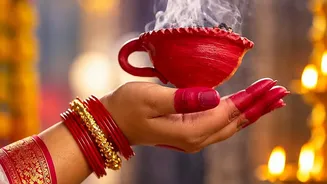
Rajasthan's festive markets are a riot of colour, dominated by two iconic crafts: Lac bangles and Bandhani textiles. Lac, a resinous material, is handcrafted by artisans into beautiful bangles, often embellished with stones, mirrors, and intricate patterns. These bangles are considered auspicious and are an essential part of festive attire. Alongside these, you'll find Bandhani, the traditional art of tie dye. Sarees, dupattas, and turbans featuring vibrant Bandhani patterns are a popular choice for Diwali attire, reflecting the state's rich textile heritage. Both crafts showcase the meticulous skill of Rajasthani artisans and add a splash of royal vibrancy to the festival of lights.
Tamil Nadu: The Sacred Glow of the Kuthu Vilakku
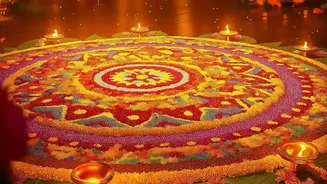
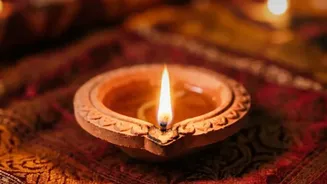
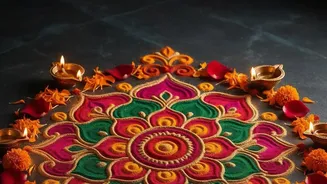
In South India, the festival of lights has its own distinct flavour. In Tamil Nadu, the 'Kuthu Vilakku', a traditional brass or bronze oil lamp, is central to Diwali celebrations. More than just a source of light, this lamp is considered a sacred symbol of divinity and prosperity, representing Goddess Lakshmi herself. Often featuring multiple wicks, sometimes five to represent the elements, these lamps are lit at dawn and dusk to create a serene, spiritual ambiance. Alongside the lamps, the entrance to homes is decorated with intricate 'Kolam' designs—geometric patterns drawn with rice flour to welcome guests and deities.