

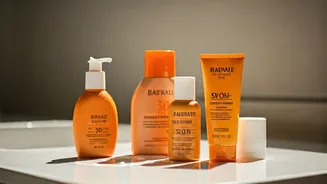


The Timing Is Off
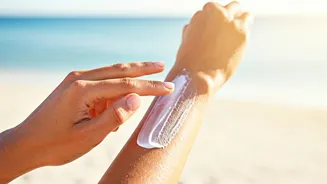
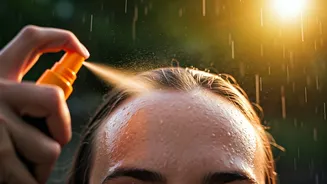
One of the most frequent mistakes is applying sunscreen just as you're walking out the door. Most chemical sunscreens need time to be absorbed by the skin to become effective. Experts recommend applying your sunscreen a full 15 to 30 minutes before you head
into the sun. This allows the active ingredients to form a protective barrier. Think of it as part of your getting-ready routine, just like brushing your teeth. Apply it after your moisturiser but before your makeup, giving it several minutes to set. This simple change ensures the sunscreen is ready to work the moment you step outside, rather than leaving your skin unprotected for those first crucial minutes of exposure.
You're Not Using Nearly Enough
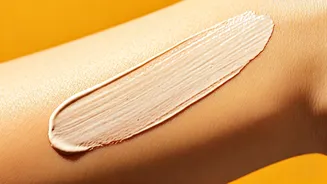
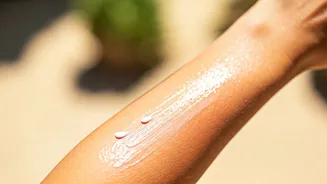
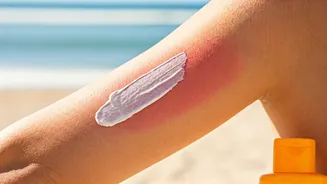
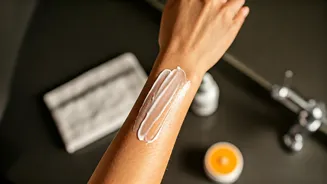
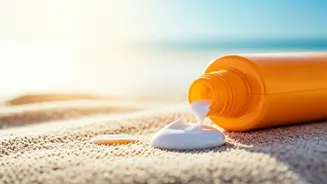
Dermatologists consistently find that most people apply only 25-50% of the recommended amount of sunscreen. To achieve the Sun Protection Factor (SPF) stated on the bottle, you need to be generous. For your entire body, the guideline is about one ounce, or the amount that would fill a shot glass. For the face and neck alone, a common and easy-to-remember method is the 'two-finger rule': squeeze a line of sunscreen along the length of your index and middle fingers. This provides roughly the half-teaspoon needed for adequate coverage. Applying too thin a layer drastically reduces the level of protection, meaning your SPF 50 could be functioning more like an SPF 20.
Forgetting to Cover Key Spots
It’s easy to cover the main areas like your arms, cheeks, and nose, but many sensitive spots are often missed during the indoor application rush. Commonly forgotten areas include the ears, the back of the neck, the tops of your feet, and your eyelids. The skin on and around the eyelids is particularly thin and has a high incidence of skin cancer, yet it is often neglected. To ensure full coverage, be methodical. Start from your face and work your way down, consciously applying sunscreen to these easy-to-miss zones. Using a lip balm with an SPF of 15 or higher is also crucial to protect your lips.
Using an Old or Expired Bottle
That half-used bottle of sunscreen from last year's beach trip might seem fine, but it has likely lost its effectiveness. Sunscreen comes with an expiration date because its active ingredients degrade over time. The US FDA requires sunscreens to maintain their original strength for at least three years, but that's under ideal storage conditions. If a bottle has been sitting in a hot car or a sunny bag, its efficacy can plummet much faster. To be safe, check the expiration date before you apply. If there isn't one, it's a good practice to write the date of purchase on the bottle yourself and discard it after one year. Using expired sunscreen gives you a false sense of security while providing little to no actual protection.
Relying on Makeup With SPF
While a foundation or tinted moisturiser with SPF is a great bonus, it is not a substitute for a dedicated sunscreen. The problem again comes down to quantity. To get the advertised SPF from your makeup, you would need to apply a very thick, cakey layer—far more than anyone typically wears. Your primary defense should always be a broad-spectrum sunscreen applied as its own step. Think of the SPF in your makeup as an extra layer of insurance, not the main policy. Apply your standalone sunscreen first, let it set, and then proceed with your makeup routine for comprehensive protection.
Choosing the Wrong Formula
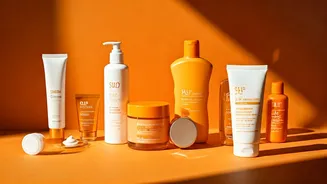
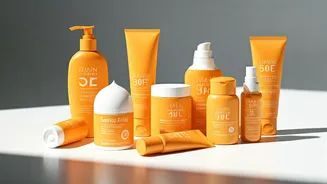
All sunscreens are not created equal, and the best one is the one you'll wear consistently. For daily use in India, where UV intensity can be high, dermatologists recommend a broad-spectrum sunscreen with an SPF of at least 30, and ideally SPF 50 for extended outdoor activity. Broad-spectrum means it protects against both UVA rays (which cause aging) and UVB rays (which cause burning). Your skin type also matters. If you have oily or acne-prone skin, a lightweight gel or non-comedogenic formula will prevent breakouts. For dry skin, a cream-based sunscreen can add extra hydration. Making this choice before you even need to apply it ensures you have the right tool for the job.