






The Hidden Dangers of a Static Workday
Most office workers spend eight or more hours a day sitting. While it may not seem strenuous, the human body was designed for movement. When we remain in a fixed posture for long stretches, a cascade of negative effects begins. Research shows that prolonged
sitting is linked to a higher risk of chronic health issues, including heart disease, type 2 diabetes, and even certain cancers. This is true even for people who exercise regularly. If you work out for an hour but spend the rest of the day immobile, you can still be considered a 'active couch potato', facing similar health risks as those who are completely sedentary. The problem isn't just sitting itself, but the lack of movement that comes with it.
What Happens When You Don't Move?
When you sit still, especially with poor posture, you put immense strain on your body. Your large leg and gluteal muscles, which are crucial for stability and movement, essentially switch off. This inactivity signals your metabolism to slow down drastically. The rate at which you burn calories plummets, and your body’s ability to process fats and sugars becomes less efficient. Blood circulation slows, which can cause blood to pool in your legs, increasing the risk of varicose veins. This reduced blood flow also means less oxygen reaches your brain, contributing to that all-too-familiar afternoon fatigue and 'brain fog'.
Your Spine's Silent Plea for Help
One of the most immediate consequences of static sitting is musculoskeletal pain. Hunching over a desk shortens the hip flexor muscles and can cause the discs in your spine to compress, leading to premature degeneration and chronic pain. This poor posture is a leading cause of the neck, shoulder, and lower back pain that plagues office workers. Looking down at a screen for hours creates 'tech neck', placing significant strain on the cervical spine. Over time, these imbalances weaken key muscle groups and tighten others, creating a cycle of discomfort and increasing the risk of injury.
The Power of the Postural Shift
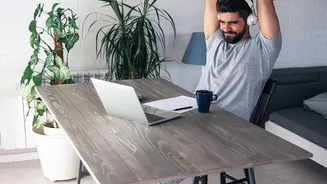
This is where changing your position becomes critical. You don't need to quit your job or spend all day at a standing desk. The simple act of shifting your posture—what experts call 'micro-movements'—can counteract many of sitting's negative effects. When you change your position, you reactivate dormant muscles, which helps kickstart your metabolism and encourages your body to use blood sugar for energy. These small movements stimulate blood flow, delivering vital oxygen and nutrients throughout your body and brain, which can improve focus and energy levels. Simply shifting your weight, uncrossing your legs, or rolling your shoulders helps redistribute pressure on your spine and joints, preventing stiffness and pain.
Simple Shifts for Big Health Rewards
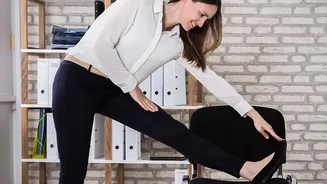
Integrating more movement into your workday is easier than you think. The key is consistency, not intensity. Aim to change your position or stand up at least once every hour. While seated, you can perform simple 'deskercises' to keep your body active. Try periodically doing calf raises, rolling your ankles, or engaging your core muscles for a few seconds. When you take a phone call, stand up and pace. Instead of sitting in a conference room, suggest a walking meeting with colleagues. Other simple adjustments include ensuring your chair supports your lower back and your monitor is at eye level to maintain a neutral spine. These small, intentional actions, when performed regularly, add up to significant long-term health benefits, protecting your body from the strain of a sedentary job.