




The New Work-Life Equation
The most significant catalyst for this trend is the evolution of the Indian workplace. The rise of remote and hybrid work models has untethered young professionals from their office desks. This newfound flexibility allows for 'workcations'—blending work with
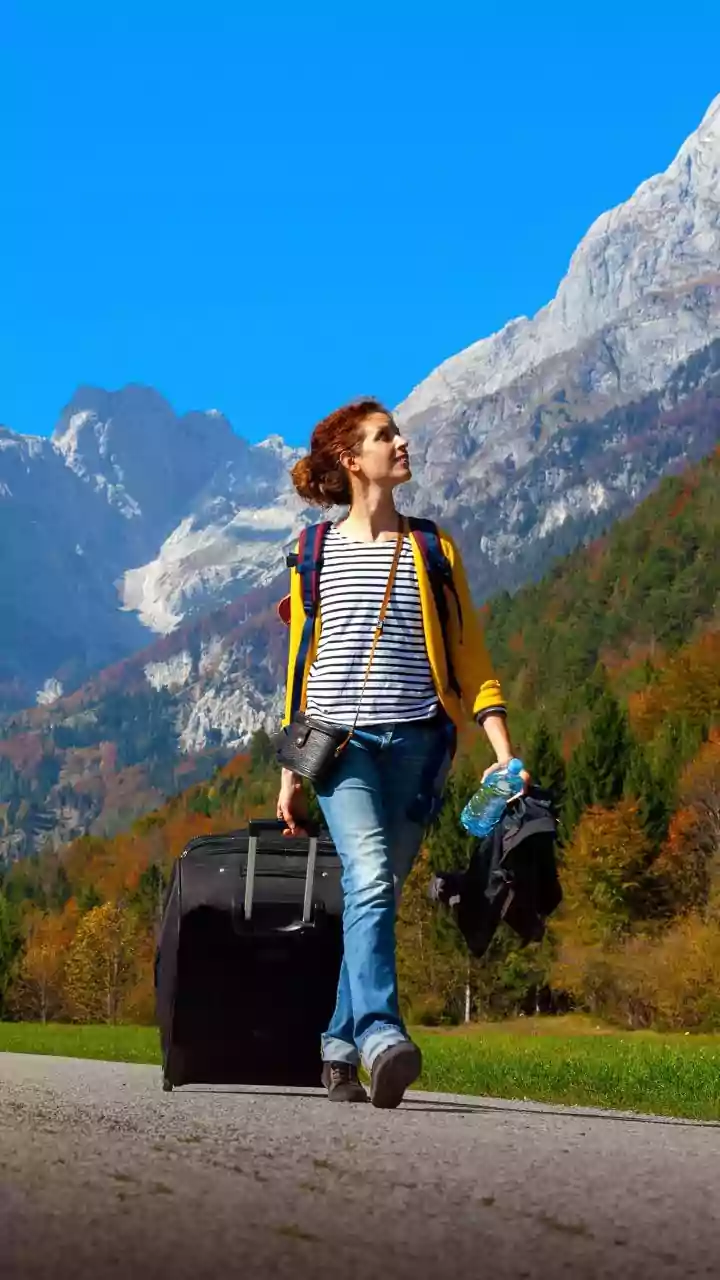
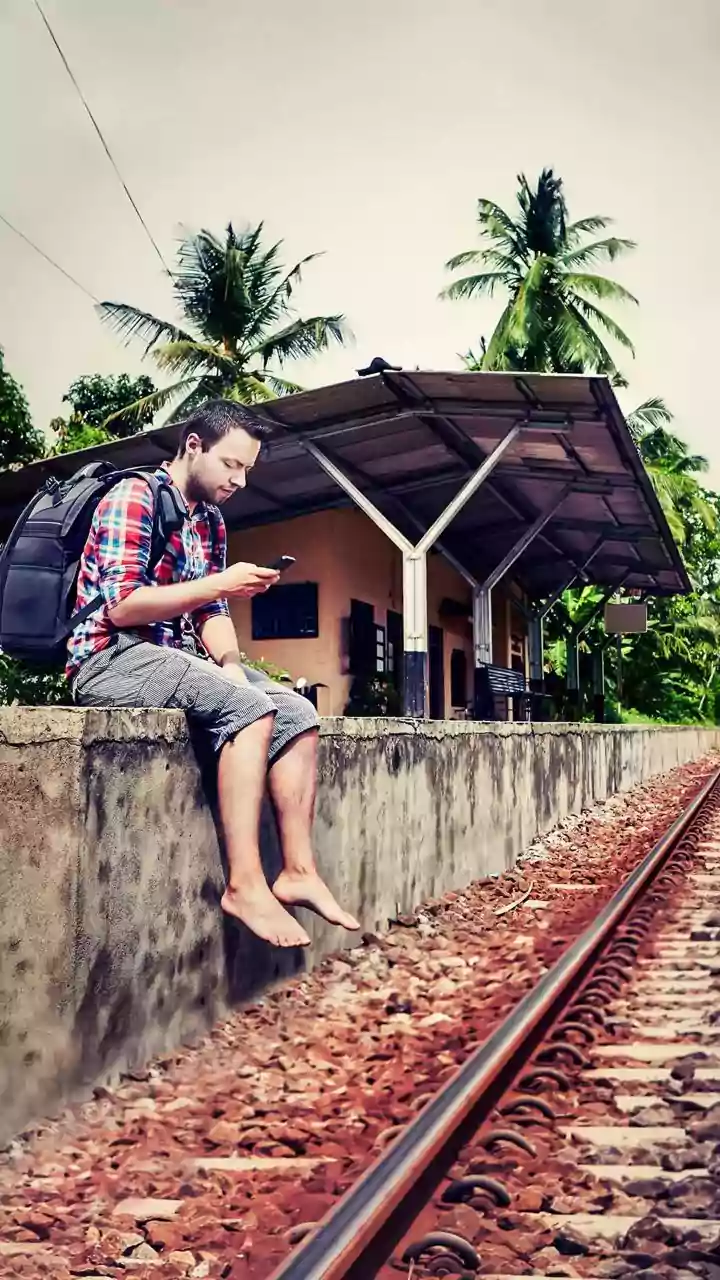
leisure from a scenic location. Instead of waiting for an approved two-week leave, many can now pack a bag on a Thursday, work from a homestay in the hills on Friday, and enjoy a weekend getaway without missing a beat. This ability to integrate travel into the work week itself makes shorter, more frequent trips a practical reality. It's less about taking a break from work and more about making work fit into a more desirable lifestyle.
A Strategy Against Burnout
Urban work life in India is demanding, with long hours and stressful commutes contributing to significant burnout among millennial and Gen Z workers. Many young Indians see frequent, short getaways as a crucial mental health strategy. Rather than waiting an entire year for a single, lengthy vacation to decompress, they are opting for several 'micro-vacations' to recharge their batteries more regularly. A two or three-day trip offers a quick and effective escape from routine and stress, providing regular intervals of rest and recovery. This approach helps maintain a better sense of well-being throughout the year, making it a proactive measure against mental fatigue.
The Economics of Spontaneity
Financially, taking several shorter domestic trips can be more manageable than funding one big international holiday. This model allows for better cash flow management, as the cost is spread across the year. Furthermore, the planning window for these trips is shrinking dramatically. Reports show a significant number of domestic trips are booked just days before travel, highlighting a move towards spontaneity. This is made possible by improved connectivity and a wider array of accessible destinations, from coastal towns like Varkala and Udupi to hill retreats in Uttarakhand and Himachal Pradesh. The decision to travel has become less of a monumental plan and more of an impulsive, rewarding habit.
Travel as Self-Expression
For younger generations, travel is no longer just about sightseeing; it's a form of identity. An Airbnb report found that a vast majority of Indian Gen Z travellers believe their travel style reflects who they are as a person. They prioritize unique and personal experiences over checking off a list of tourist hotspots. This has led to a surge in interest for boutique stays, farmhouses, and unique properties that become a destination in themselves. According to one report, over 60% of young travellers have chosen a destination specifically because of an interesting stay they discovered. This focus on experience over itinerary makes shorter, immersive trips more appealing than a rushed, multi-city tour.
The Rise of the 'Micro-Holiday Economy'
This collective shift has given rise to what some industry experts are calling the 'Micro-Holiday Economy'. This economy is defined by short, intentional trips that have become a habit rather than a rare occasion. Data from 2026 shows that the average domestic trip now lasts just 1.7 nights. Despite the short duration, travellers are not compromising on quality, with a majority of bookings going to four and five-star properties. This indicates a preference for premium experiences concentrated into a shorter window. Travel has become less of a planned annual event and more of a reflexive, frequent response to the need for a change of scenery.