






Why Your Skin Hates High Humidity
While the cooler, rain-washed air feels like a blessing after scorching summer heat, the drastic increase in humidity sends your skin into a state of confusion. The moisture-laden air prevents your sweat from evaporating efficiently, creating a damp environment
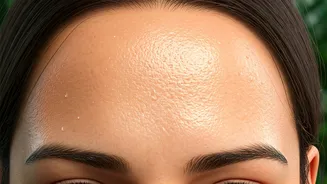
on your skin's surface. [15, 19] In response, your skin's sebaceous glands go into overdrive, producing more oil (sebum) to try and adjust to the dampness. [9, 13] This excess oil acts like a magnet for dirt, pollution, and dead skin cells, leading to clogged pores, which is the perfect recipe for blackheads, whiteheads, and painful acne breakouts. [6, 9, 11] This effect is especially pronounced for those who already have oily or combination skin types. [13]
The Perfect Storm for Infections
Beyond acne, the warm and moist conditions created by monsoon humidity are a perfect breeding ground for bacteria and fungi. [2, 5] This can weaken the skin's natural protective barrier, making it more vulnerable to a host of unwelcome issues. [2] Fungal infections like ringworm and athlete's foot become incredibly common, often appearing as red, itchy, and scaly patches in skin folds like the underarms and groin. [3, 4, 11] Another common culprit is fungal acne (Malassezia folliculitis), which presents as small, uniform, itchy bumps on the forehead, chest, and back. [22] This is different from regular bacterial acne and won't respond to typical pimple treatments. [22] Heat rash, or miliaria, can also flare up, causing clusters of small, red, prickly bumps when sweat glands get blocked. [4, 5]
DO: Lighten Up Your Routine
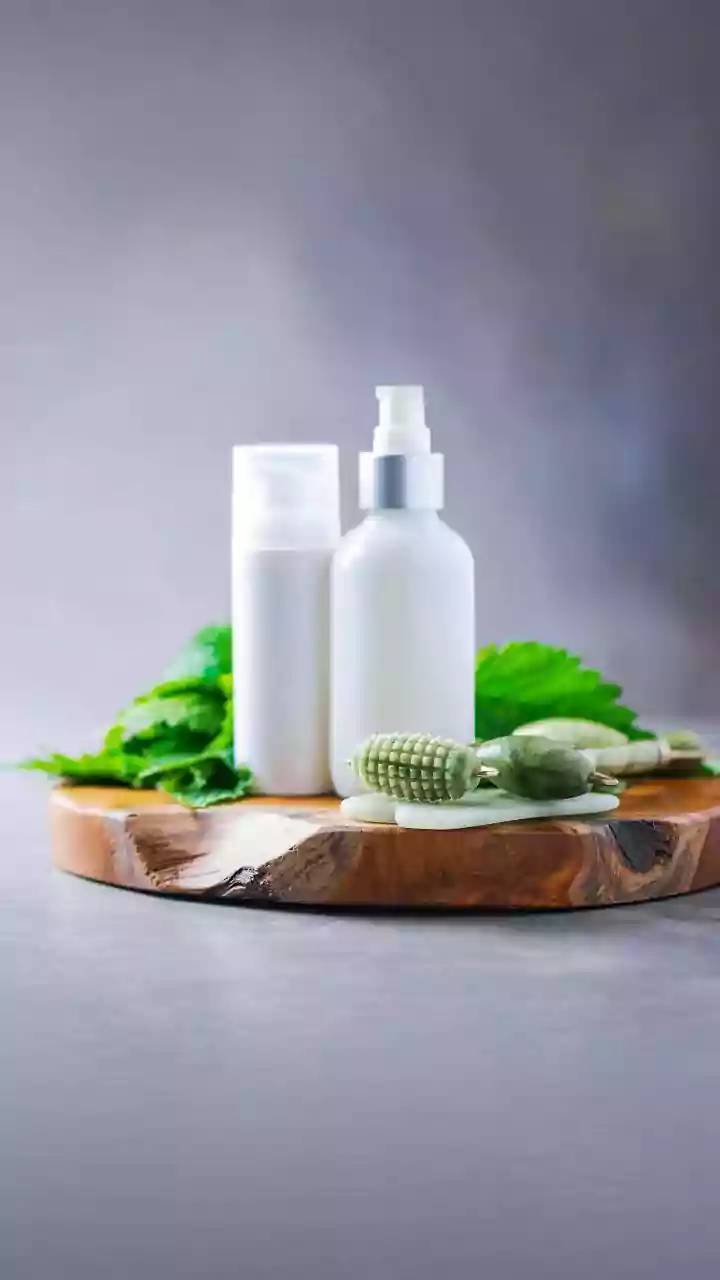
The golden rule for monsoon skincare is to go light. Swap your heavy, creamy cleansers and moisturisers for lightweight, gel-based, or water-based formulas. [7, 12] Look for products labelled "non-comedogenic," which means they are specifically designed not to clog pores. [9, 14] Even though your skin feels oily, don't skip the moisturiser. Dehydrated skin can actually produce more oil to compensate. [13, 27] A lightweight moisturiser with ingredients like hyaluronic acid or glycerin will provide necessary hydration without feeling heavy or greasy. [12, 25] Similarly, continue to use sunscreen every single day. UV rays can penetrate through dense cloud cover, and choosing a non-greasy, water-resistant formula with at least SPF 30 is crucial. [12, 14, 24]
DON'T: Over-Cleanse or Over-Exfoliate
While it may be tempting to wash your face multiple times a day to combat the stickiness, over-cleansing can be counterproductive. [13] Stripping your skin of its natural oils can damage the moisture barrier and trigger even more oil production. [21, 27] Stick to a gentle, pH-balanced cleanser twice a day. [20] Exfoliation is important to slough off dead skin cells that can clog pores, but don't overdo it. [25] Harsh physical scrubs can cause micro-tears and irritation. [8] Instead, opt for a gentle chemical exfoliant with AHAs or BHAs (like salicylic acid) once or twice a week to keep pores clear. [8, 14] It's also wise to avoid heavy, oil-based makeup, which can melt in the humidity and further clog pores. [14, 18]
Extra Care for a Healthy Monsoon Glow
A few simple lifestyle adjustments can make a huge difference. Wear loose, breathable cotton clothing to allow for better air circulation and prevent sweat from being trapped against your skin. [4, 18] If you get caught in the rain or have a heavy workout, shower and change out of damp clothes as soon as possible to prevent fungal growth. [17] Pay special attention to your feet, keeping them clean and dry to avoid infections like athlete's foot. [6, 19] Incorporating ingredients like niacinamide into your routine can help regulate oil production, while antioxidants like Vitamin C can fight dullness and environmental damage. [12, 27] Finally, stay hydrated by drinking plenty of water and be mindful of your diet, as sugary and overly oily foods can sometimes aggravate acne. [13, 18]