





A Tradition Rooted in Sharing Joy
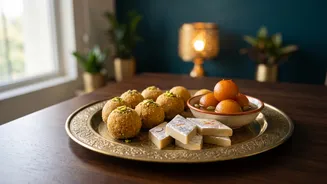
The act of sharing food, especially sweets, has always been central to Indian celebrations. The phrase 'muh meetha karo' (sweeten the mouth) is an instant command upon hearing any good news. For centuries, Diwali celebrations have involved exchanging
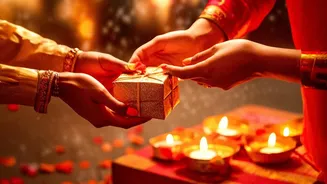
homemade sweets as a gesture of goodwill, affection, and to symbolize a sweet start to the new year. This tradition is rooted in the idea of sharing happiness; sweets offered to deities during prayers (prasad) are then distributed as a form of blessing. Exchanging these treats with family and friends extends that blessing, strengthening community bonds and marking the victory of good over evil.
From Humble Leaves to Ornate Boxes
The presentation of these sweets has undergone a dramatic transformation. In its earliest forms, mithai was simply wrapped in leaves or cloth for transport. Over time, particularly with the influence of royal courts that commissioned ornate metal containers, the packaging began to gain importance. The move to cardboard and metal boxes created a new canvas for artisans. These containers were no longer just functional; they became part of the gift itself, decorated with vibrant colours and intricate patterns that reflected regional traditions and the festive spirit. Red and gold, for instance, became common for their association with prosperity and auspiciousness.
The Rise of the Curated Hamper
In recent years, the classic box of sweets has evolved into a more elaborate gift hamper. Consumers are increasingly looking for thoughtfully curated combinations that go beyond just one type of mithai. These modern hampers often include a mix of traditional sweets, gourmet chocolates, flavoured dry fruits, artisanal cookies, and even small decorative items like diyas or scented candles. This shift reflects a change in consumer expectations; it's no longer just about the quantity of sweets but about the thoughtfulness and variety of the selection. The gift is now an entire experience, beautifully packaged to create a memorable impression.
Artisanal Flavours and Health-Conscious Choices
As palates evolve, so does the mithai. A new generation of artisanal sweet makers is reinventing tradition with fusion flavours like lavender ladoos, cashew tiramisu, and matcha barfi. These brands focus on premium ingredients and modern aesthetics, turning the humble sweet into a luxury product. Alongside this trend is a growing demand for healthier options. Many consumers now seek out sweets made with natural sweeteners like jaggery and dates, or sugar-free alternatives, allowing them to indulge without compromising on their wellness goals. This has made 'healthy' hampers with dry fruits and sugar-free treats a popular and coveted gift.
The Corporate Gifting Revolution
The Diwali sweet box has also become a cornerstone of corporate gifting in India. For companies, it's a way to express appreciation to employees and strengthen relationships with clients during the festive season. While traditional sweet and dry fruit boxes remain popular, corporate gifting trends are leaning towards personalisation, sustainability, and utility. Many companies now opt for curated hampers that might include eco-friendly products, tech gadgets, or wellness items alongside gourmet treats. The focus has shifted from generic gifts to memorable, high-quality packages that reflect the company's values and leave a lasting positive impression.