








Let Go of the 'All-or-Nothing' Mindset
The biggest hurdle to a healthy relationship with food is often the belief that certain foods are 'good' and others are 'bad'. This all-or-nothing thinking sets us up for a cycle of restriction, craving, and guilt. When you label a food as forbidden,
you often desire it more. A single slip-up, like eating a piece of cake, can trigger a 'what-the-hell' effect, leading to overindulgence because you feel you've already failed. Research shows that this rigid approach is linked with higher stress and is less successful for long-term health. A flexible approach, on the other hand, is more sustainable. It removes the moral judgment from food, allowing you to make conscious choices without fear or guilt, which is associated with better long-term success.
Embrace the 80/20 Guideline
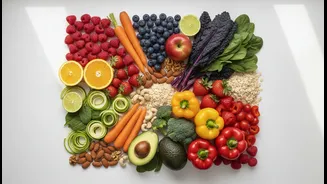
A practical way to implement balance is the 80/20 rule: focus on eating nutritious, whole foods about 80% of the time, and allow yourself to enjoy more indulgent foods for the other 20%. This isn't about meticulously counting calories, but rather fostering a pattern of consistency over perfection. The 80% includes a variety of fruits, vegetables, lean proteins, and whole grains that provide essential nutrients. The 20% is for the foods you eat purely for pleasure—a slice of birthday cake, a favourite cocktail, or a weekend meal out with friends. This flexibility helps prevent feelings of deprivation, making it a lifestyle you can stick with indefinitely.
Honour Your Traditions
Food is deeply woven into our cultural and social fabric. In India, festivals, family gatherings, and celebrations are incomplete without their associated delicacies. A healthy eating pattern should not require you to abandon these important traditions. Traditional foods are often nutritious and can be a vital part of a healthy diet. The key is to enjoy them mindfully. Instead of skipping the Diwali sweets or the Eid biryani, savour a smaller portion. Pay attention to the flavours and textures. You can also make simple modifications to traditional recipes, such as using whole grains, baking instead of frying, or adding more vegetables to enhance their nutritional profile without losing their essence.
Master the Art of the Mindful Treat
When you do indulge in that 20%, the goal is to make it a truly satisfying experience. This is where mindful eating comes in. Instead of mindlessly eating a packet of biscuits while watching TV, create a moment for your treat. Put a single portion on a plate, sit down without distractions, and engage all your senses. Notice the aroma, the appearance, and the texture. Chew slowly and savour every bite. This practice not only enhances pleasure but also helps you recognise your body's fullness cues, making you feel satisfied with a smaller amount and preventing overeating. It shifts the experience from a guilt-ridden act to a moment of conscious enjoyment.
Plan for Pleasure and Success
A balanced eating pattern doesn't happen by accident; it benefits from a little planning. Instead of waiting for a craving to strike, you can plan for your treats. Perhaps you decide to have a small dessert after dinner a few times a week, or you save your indulgence for a weekend outing. It's also helpful to focus on adding nutritious foods rather than just subtracting 'bad' ones. When you fill your plate with colourful vegetables, lean proteins, and fibre-rich grains, you naturally have less room for less nutritious options. And remember to listen to your body. Before reaching for a snack, ask yourself if you're truly hungry or perhaps just bored, tired, or stressed. Sometimes, a short walk or a glass of water is what you really need.