




The Great Monsoon Myth
As humidity soars during the Indian monsoon, your skin can feel greasy and perpetually damp. [6] It’s a common belief that in such sticky weather, the last thing oily skin needs is another layer of moisture. The thinking is logical: if the air is full
of moisture and my skin is already shiny, why add more? [8, 12] This leads many to skip moisturiser entirely, hoping to reduce the slick, oily feeling. However, dermatologists confirm this is one of the biggest mistakes you can make for your skin. The moisture in the air doesn't automatically translate to hydrated skin; in fact, skipping this crucial step can backfire significantly. [22]
Why Your Skin Gets Oilier When It's Dehydrated
Here's the science that feels counterintuitive: dehydrated skin often produces more oil, not less. Your skin has a natural protective barrier that needs a balance of oil and water to function correctly. When you skip moisturiser or use harsh, stripping cleansers, you're depleting its water content. [18] In response to this dehydration, your sebaceous glands go into overdrive, producing excess sebum (oil) to compensate for the lack of moisture. [11, 24] This phenomenon, known as rebound oiliness, is your skin’s cry for hydration. So, while your face might feel greasy on the surface, it could be dehydrated underneath, and that's the real problem you need to solve. [22]
Choosing Your Monsoon Moisturiser
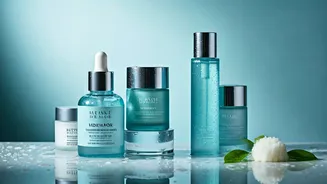
The key isn't to skip moisturiser, but to choose the right one. During the monsoon, heavy, oil-based creams are your enemy. They can feel suffocating and clog pores, leading to breakouts, which are already a concern due to increased sweat and environmental grime in humid weather. [12, 15] Instead, you should switch to a lightweight, water-based, or gel-based formula. Look for products labelled "oil-free" and, most importantly, "non-comedogenic," which means they are specifically formulated not to clog pores. [10, 11] These moisturisers absorb quickly, delivering necessary hydration without leaving a greasy residue, making them perfect for the hot and humid Indian monsoon. [2, 20]
Powerhouse Ingredients to Look For
When scanning the ingredients list, a few heroes stand out for oily and acne-prone skin in humid conditions. * **Hyaluronic Acid:** This is a superstar humectant that attracts and holds water in the skin, providing intense hydration without any heaviness. It gives a plump, hydrated look without adding oil. [14, 19] * **Niacinamide (Vitamin B3):** A multi-tasking wonder, niacinamide helps regulate oil production, minimises the appearance of pores, and improves skin texture. [7, 9, 13] * **Ceramides:** These lipids help restore and maintain the skin’s natural barrier, preventing water loss and protecting it from environmental aggressors. [7, 15] * **Salicylic Acid:** Often found in cleansers, low concentrations in moisturisers can help keep pores clear and reduce acne lesions, making it great for breakout-prone skin. [9, 11] * **Green Tea Extract:** Known for its antioxidant and soothing properties, green tea extract can help calm irritated skin and has been shown to help reduce sebum production. [11, 13]
Beyond Moisturiser: A Simple Monsoon Routine
While the right moisturiser is vital, it works best as part of a consistent routine. Keep things simple and effective. Start by cleansing twice a day with a gentle, foaming, or gel cleanser, possibly one with salicylic acid, to remove excess oil and impurities without stripping the skin. [9, 12] Avoid harsh scrubs and alcohol-based toners, which can trigger more oil production. [2, 13] And most critically, never skip sunscreen. Even on cloudy monsoon days, UV rays penetrate and can cause damage. Opt for a gel-based or matte-finish sunscreen with at least SPF 30 to protect your skin without adding shine or clogging pores. [4, 9]