





The Challenge of Dining in Zero-G
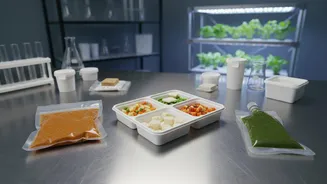
Eating in space is not as simple as packing a lunchbox. The microgravity environment means that crumbs and liquids can float away, posing a serious risk to sensitive electronic equipment. Food must be lightweight, compact, have a long shelf-life without
refrigeration, and, most importantly, be highly nutritious to counteract the physiological stresses of space travel, such as muscle and bone density loss. Furthermore, the texture is critical; foods cannot be crumbly. This unique set of constraints requires a complete re-engineering of meals, from preparation and packaging to consumption.
Hyderabad's Role in India's Space Menu
While the Mysuru-based Defence Food Research Laboratory (DFRL) has long been the primary developer of food for India's armed forces and space missions, Hyderabad has emerged as a key center for this specialized field. The city's ICMR-National Institute of Nutrition (NIN) is now playing a crucial role in crafting the diet for Gaganyaan astronauts. Scientists at NIN are collaborating with the Indian Space Research Organisation (ISRO) to develop and test food formulations that are perfectly suited for space, ensuring they meet the stringent nutritional and safety standards required for human spaceflight.
The Science Behind the Meals
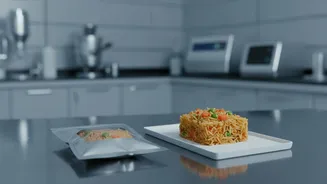
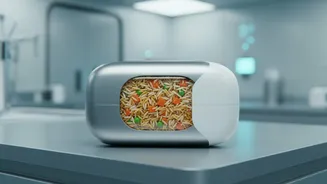
The process is highly scientific. Meals are being prepared in semi-solid, dehydrated, and ready-to-eat forms. Astronauts will be able to reconstitute dehydrated items with small amounts of water. Advanced preservation techniques like freeze-drying are being used to maintain taste and nutritional value while ensuring a long shelf life. The nutritional profile is meticulously planned, with meals rich in micronutrients, antioxidants, and Vitamin D. Sodium levels are carefully controlled, and fibre intake is regulated to support gut health in the unique conditions of space.
On the Menu for Gaganyaan
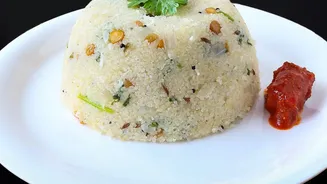
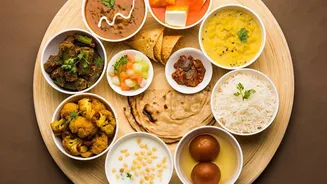
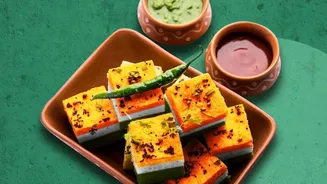
The menu aims to provide a taste of home to keep morale high. It features a mix of familiar Indian foods alongside some continental options. Items being developed and tested include khichdi, mutton rolls, chicken nuggets, and fruit purées. Earlier work by DFRL for the mission also included classics like idli sambar, vegetable pulav, and moong dal halwa. The goal is to create a menu that is not only nutritionally balanced but also psychologically comforting, reminding the astronauts of home while they are millions of miles away.
Testing and Simulation
Before any food is certified for flight, it undergoes rigorous testing. This includes simulating the effects of microgravity on the human body and the food itself. In one study, healthy participants remain in a strict head-down bed-rest position for 14 days, performing all daily activities, including eating, without getting up. This helps scientists understand how the body digests food in space and how the food formulations behave in low-gravity environments. These extensive tests ensure that the final menu is safe, effective, and easy for astronauts to consume in the confines of a spacecraft.