







The Brain-Gut Connection
It all comes down to a conversation between your stomach and your brain. When you start eating, it takes approximately 20 minutes for your gut to send signals to your brain that you are full. These signals are carried by hormones, primarily leptin (the
“satiety hormone”) and ghrelin (the “hunger hormone”). When you eat slowly, you give your body enough time for ghrelin levels to decrease and leptin levels to rise. This hormonal shift tells your brain you’ve had enough, leading to a natural feeling of fullness and satisfaction.
Fast Eating and Body Composition
When you eat too quickly, you can easily consume more food than your body needs before the “I’m full” signal ever reaches your brain. Studies have shown that fast eaters are more likely to overeat and may be up to twice as likely to be obese compared to slow eaters. This habit is consistently linked with a higher body mass index (BMI) and increased visceral fat, the dangerous fat that surrounds your organs. Over time, this pattern of overconsumption can lead to unwanted weight gain and increase the risk for metabolic syndrome, a cluster of conditions that includes high blood pressure and insulin resistance.
More Than Just Weight
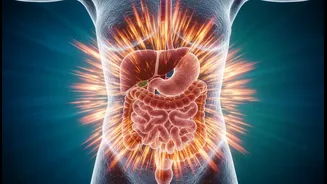
The consequences of speed-eating extend beyond weight gain. Rushing through meals often means you aren’t chewing your food properly. Digestion begins in the mouth, and when you swallow large, poorly chewed pieces, you force your stomach and intestines to work overtime. This can lead to a host of uncomfortable issues, including indigestion, bloating, gas, and heartburn. Furthermore, inadequate chewing can impair your body’s ability to absorb all the available nutrients from your food, meaning you get less benefit from your healthy choices.
Tip 1: Schedule Your Mealtime
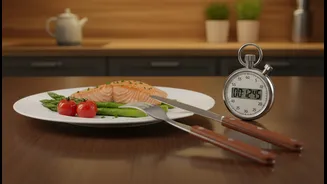
One of the most effective ways to slow down is to treat your meals like important appointments. Instead of squeezing lunch into a five-minute window, set aside at least 20 to 30 minutes dedicated solely to eating. This simple act of scheduling gives you the permission and the time to eat at a more relaxed, healthier pace. You can even use a timer to help you stretch your meal to the full 20 minutes, allowing your brain to catch up with your stomach.
Tip 2: Practice Mindful Eating
Mindful eating is about paying full attention to the experience of eating. This means putting away your phone, turning off the television, and stepping away from your desk. When you eat without distractions, you become more aware of the tastes, textures, and smells of your food. This heightened awareness not only makes the meal more enjoyable but also helps you listen to your body’s natural hunger and fullness cues, preventing you from eating past the point of comfort.
Tip 3: Put Your Fork Down
It’s a simple mechanical trick that works wonders. After taking a bite of food, consciously place your fork or spoon down on the table. Don't pick it up again until you have completely chewed and swallowed the food in your mouth. This forced pause breaks the cycle of continuous, rapid bites and gives you a moment to breathe, talk with dining companions, or simply savor the flavor. Aiming to chew each mouthful 15 to 30 times is another great tactic to slow your pace.
Tip 4: Sip Water Strategically
Keeping a glass of water on hand during meals can be a powerful tool. Taking sips of water between bites not only helps with hydration but also serves as a natural pause, forcing you to slow down your eating rhythm. It also aids in digestion and can contribute to a feeling of fullness, helping you to better regulate how much you eat. Just be sure you are sipping, not gulping, to avoid swallowing excess air.