


The Spotlight on Visakhapatnam
In September 2026, Visakhapatnam will welcome around 1,000 delegates for the 41st annual convention of the Indian Association of Tour Operators (IATO). The event, themed 'India: The World's Next Tourism Opportunity', is more than just a gathering; it's
a strategic showcase. With top tour operators, policymakers, and government officials attending, the convention is a prime opportunity for Andhra Pradesh to present its attractions to the people who design and sell travel packages across the country and the world. The agenda includes business sessions, a travel mart, and tours designed to show delegates what the state has to offer, from its beaches to its heritage sites. For a state that has long struggled with visibility on the international tourism map, this event is a significant platform to make a strong impression.
A State Rich in Untapped Potential
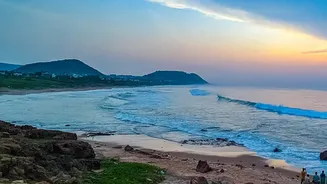
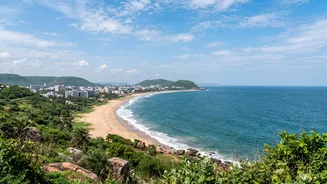
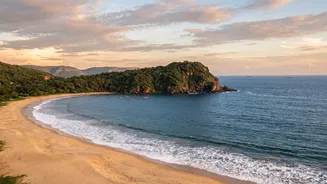
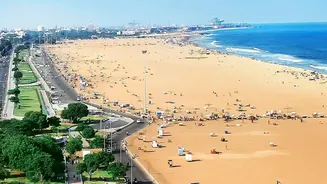
Andhra Pradesh's tourism potential is vast and varied. The state boasts the country's third-longest coastline, stretching over 900 kilometers, with beaches like Rushikonda and Bheemunipatnam. Its interior is home to the scenic Araku Valley and Lambasingi, often called the 'Kashmir of Andhra Pradesh'. For religious and heritage tourism, it holds major pilgrimage sites like Tirupati, one of the world's most visited religious destinations, and numerous ancient Buddhist sites like Thotlakonda and Bavikonda. The state government's vision is clear: to position Andhra Pradesh among the top five tourism states in India by leveraging this diverse portfolio. The Andhra Pradesh Tourism Policy 2024-29 aims to increase tourism's contribution to the state's economy significantly, recognizing it as a key driver for job creation and investment.
The Roadblocks to a Tourism Renaissance
Despite its natural and cultural assets, Andhra Pradesh faces considerable challenges. A primary hurdle is infrastructure and connectivity. While major projects are planned, including a 'hospitality district' along a new beach corridor and upgrades to Visakhapatnam's airport, many destinations still lack good last-mile connectivity. Another significant issue is brand visibility; many international tourists are simply unaware of what Andhra Pradesh offers. Compared to established players like Kerala, Goa, or Rajasthan, the state's marketing has been less effective, resulting in very low numbers of foreign visitors. Furthermore, institutional challenges, such as a lack of coordination between government departments and regulatory hurdles, can slow down investment and project implementation. These systemic issues cannot be solved overnight.
Beyond the Conference: The Real Work
A convention, no matter how successful, is only a starting point. The IATO event can generate buzz and build crucial relationships, but converting that interest into actual tourist footfall requires sustained effort. The government has already laid out ambitious plans, attracting investment commitments from major hospitality groups and approving numerous projects around Visakhapatnam, including a sky tower, tunnel aquarium, and the development of ten beaches. The success of these initiatives will depend on execution. The state is offering incentives like capital subsidies and tax benefits to attract private investment, acknowledging that public funds alone are insufficient. The focus must be on creating a complete ecosystem—improving infrastructure, ensuring safety and cleanliness, and training a skilled workforce in the hospitality sector. The post-convention tours for delegates are a smart move, as firsthand experience is the most powerful marketing tool.