



From Imported Exclusivity to Indigenous Pride
The definition of luxury in Indian fine dining is undergoing a profound transformation. For decades, the hallmark of an upscale menu was the presence of expensive, imported ingredients like European truffles, French cheeses, and Norwegian salmon. This
has started to shift dramatically as a new generation of chefs rethinks what makes a dish truly luxurious. Instead of looking outward, they are turning their focus inward, to the incredible biodiversity within India's own borders. This movement champions the idea that true luxury isn't about how far an ingredient has travelled, but the story it tells and the uniqueness of its origin. Provenance is the new hallmark of quality, and a dish's value is increasingly tied to the rarity and authenticity of its local components.
The Pioneers of Provenance
Across the country, visionary chefs are leading this charge. They are moving beyond broad culinary labels like 'North Indian' or 'South Indian' to explore hyper-regional cuisines from specific communities and even villages. Chefs like Varun Totlani at Masque in Mumbai, for example, have a dedicated lab to research and experiment with indigenous produce, turning ingredients like prickly pear into sophisticated sorbets. In New Delhi, chef Dhruv Oberoi incorporates smoky, crumbly Bandel cheese from West Bengal into his pasta dishes instead of ricotta. This approach is not about simply copying traditional recipes but reinterpreting them with modern techniques that respect their soul while elevating them for a fine-dining audience. These chefs are becoming cultural ambassadors, investing time in travelling to remote regions to understand food cultures directly from home kitchens and local markets.
Unearthing India's Forgotten Flavours
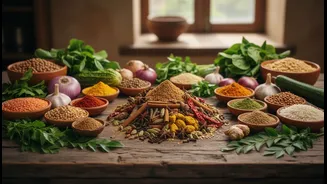
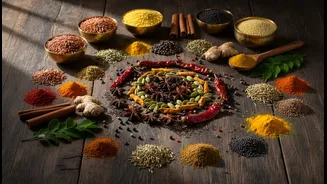
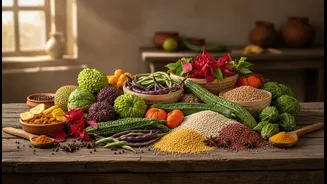
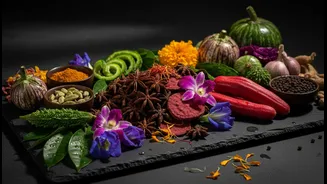
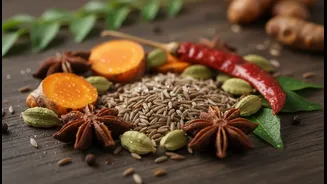
The stars of these new menus are ingredients many Indians may have never heard of. We're seeing the revival of ancient grains like millets, once considered humble rural food, now celebrated for their nutritional value and versatility. Chefs are foraging for wild herbs, forest greens, and seasonal tubers like sohphlang from Meghalaya. Ingredients such as fiddlehead ferns, tangy river fish from Kerala, and black soybeans from Kumaon are making their way onto tasting menus, offering diners a connection to a specific landscape and climate. Spices are also being explored with greater nuance, from the fiery but fruity Naga king chili to the earthy lichen known as stone flower (dagad phool), each adding a layer of complexity and a sense of place.
A Story on Every Plate
This hyperlocal movement is about more than just culinary novelty; it represents a deeper cultural shift. By focusing on indigenous ingredients, restaurants are supporting local farmers and preserving agricultural biodiversity. There is a strong alignment with sustainability, embracing seasonal produce and minimising food waste, principles long embedded in traditional Indian cooking. For the diner, it transforms a meal into a meaningful experience. Every dish becomes a story—of a community, a landscape, or a tradition. This approach fosters a deeper connection to the food, where knowing the origin of the pepper from a specific family estate or the rice from a single coastal village enhances its appeal. This focus on authenticity and storytelling is what makes the experience truly luxurious, offering something unique that cannot be replicated elsewhere.