



The Cruciferous Powerhouses on Your Plate
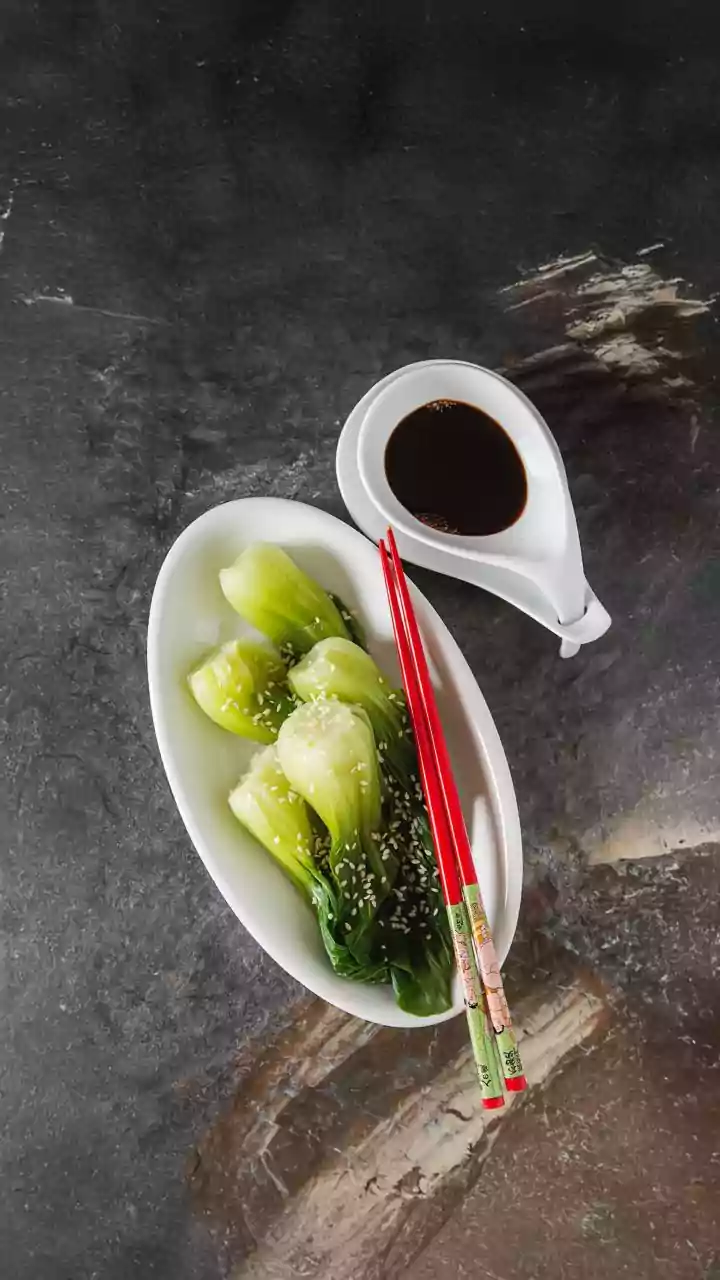
Cruciferous vegetables, part of the Brassica family, are celebrated for their impressive health benefits. This group includes everyday favourites like cauliflower, cabbage, and broccoli, as well as leafy greens like kale and bok choy. They are low in calories
but rich in essential nutrients like fibre, folate, and vitamins C, E, and K. Their unique health-promoting properties are largely thanks to plant-based compounds, or phytonutrients, such as glucosinolates and polyphenols. Studies suggest that a diet rich in these vegetables can support heart health, aid digestion, and reduce inflammation.
Understanding Plant Polyphenols
So, what exactly are these polyphenols everyone is talking about? Think of them as a plant's natural defence system, protecting it from environmental stressors like ultraviolet radiation. When we consume plants rich in polyphenols, we can reap similar protective benefits. These compounds act as powerful antioxidants, helping our bodies combat cellular damage caused by unstable molecules known as free radicals. Research strongly suggests that long-term consumption of polyphenol-rich diets can offer protection against several chronic conditions, including cardiovascular diseases, type 2 diabetes, and certain cancers.
The Heat Factor: Steaming vs. Wok Frying
The two cooking methods at the heart of our question are fundamentally different. Steaming uses moist, gentle heat. Vegetables are cooked by the steam from boiling water without coming into direct contact with it. This method is quick and doesn't require any added fats or oils. Wok frying, or stir-frying, on the other hand, involves cooking food quickly over very high heat with a small amount of oil. This high-temperature method sears the vegetables, creating a distinct flavour and texture through a process called the Maillard reaction. While delicious, this intense heat is where the nutritional trade-off begins.
Why Steaming Is a Nutrient-Saving Champion
The main reason steaming comes out on top for polyphenol retention is its gentle approach. Many beneficial plant compounds, including polyphenols and vitamin C, are sensitive to heat. The high temperatures used in wok frying can degrade these delicate nutrients. One review of over 100 studies concluded that steaming is better at preserving phenols and glucosinolates because it limits both thermal degradation and the leaching of soluble compounds that occurs with boiling. Specifically for broccoli, studies have found that steaming causes minimal loss of health-promoting compounds, whereas stir-frying can lead to significant losses. In fact, one study found that frying led to a substantial degradation of cancer-fighting glucosinolates.
The Case for the Wok
This doesn't mean you should banish your kadhai or wok. Wok frying has its own set of advantages. It's incredibly fast and creates a wonderful texture and depth of flavour that steaming can't replicate. For some people, the delicious char and taste from stir-frying might be the very thing that encourages them to eat more vegetables in the first place. Furthermore, while high heat can destroy some nutrients, it can make others more available. Some studies have noted that stir-frying can sometimes increase the measured content of certain phenolic compounds by softening the vegetable's cell walls, making them easier to extract. However, for overall preservation of the most sensitive compounds, the evidence points away from very high-heat methods.
How to Steam Like a Pro
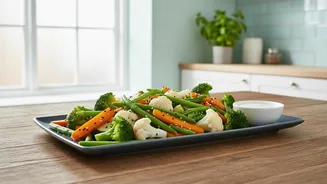
Getting the most from your steamed vegetables is easy. First, ensure you don't overcook them. You're aiming for a tender-crisp texture, not a mushy one. This not only preserves more nutrients but also tastes better. Cut your vegetables into uniform pieces for even cooking. You can add flavour by steaming them over a broth infused with garlic, ginger, or herbs. And remember, since steaming doesn't use oil, it’s a great low-calorie cooking method. Once the vegetables are cooked, toss them with your favourite spices, a squeeze of lemon juice, or a light dressing to make them shine.