






Why Your Nose Dictates Your Palate
Before you ever take a bite, your nose has already started eating. The science is clear: our sense of smell is responsible for up to 80% of what we perceive as flavour. Your taste buds can only identify five basic tastes—sweet, salty, sour, bitter, and
umami. Everything else, from the jamun-like notes in a specific coffee to the subtle complexity of a perfectly spiced curry, is delivered to your brain through aroma. When you chew, odour molecules from food travel to olfactory receptors at the back of your nasal cavity in a process called retronasal olfaction. This is why a simple cold can make your favourite foods taste bland. It’s not just about the aroma of the food on your plate; it is the aroma.
The Problem with Perfumed Chaos
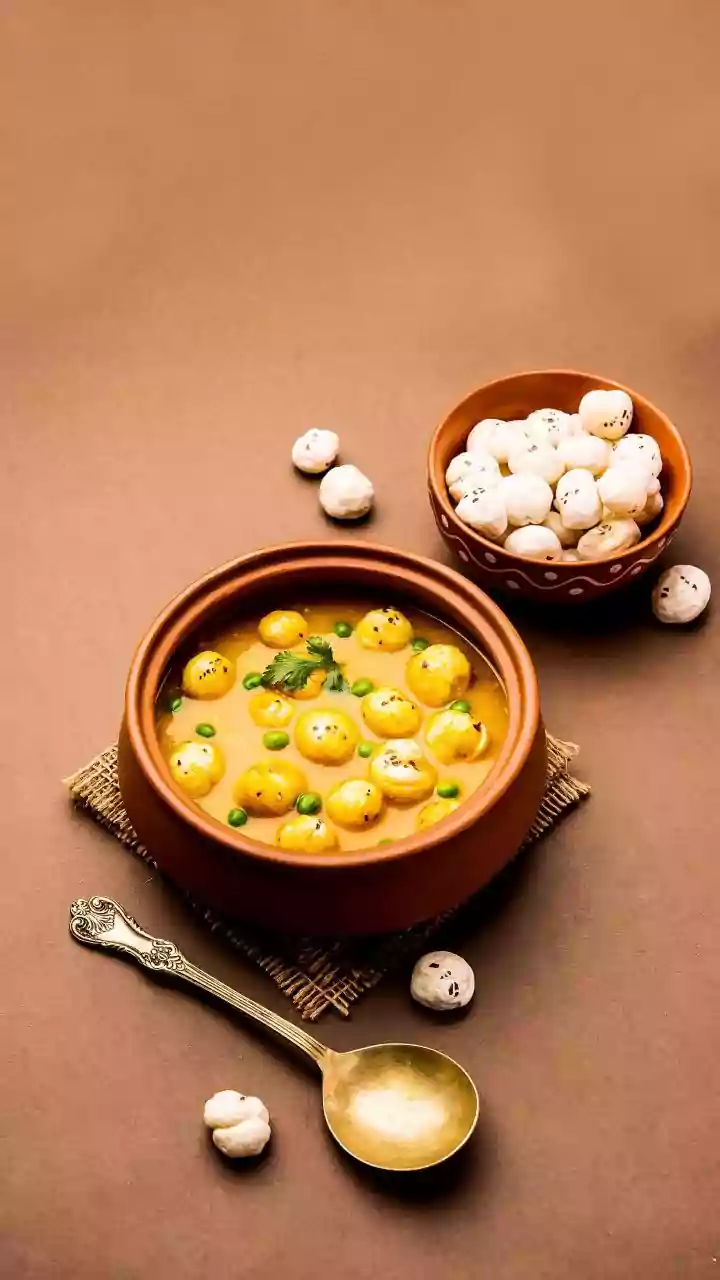
Given how crucial aroma is to flavour, introducing a competing artificial fragrance into a dining space is like asking two singers to perform different songs at the same time. The result is not a harmonious duet, but a confusing mess. A strong floral diffuser or a sweet-scented candle doesn't just add a nice smell to the room; it actively interferes with your brain's ability to process the flavour of the food. That rich, buttery dal makhani or the fragrant, saffron-infused pulao loses its distinct character when it has to compete with artificial scents. Etiquette and fragrance experts agree that the dining table is one place where scented candles do not belong. The goal is to enhance the dining experience, not dominate it.
Embrace Your Kitchen's Natural Aroma
In an Indian household, the kitchen is already a powerful source of incredible aromas. The sizzle of a tadka with mustard seeds and curry leaves, the toasting of whole spices for a garam masala, or the slow cooking of onions and garlic are not smells to be covered up. These are the overture to the meal itself. Rather than trying to mask these authentic food scents with an air freshener, the modern host's goal should be to let them shine. Think of your home's natural cooking aroma as the primary, intentional scent. It's a sign that something wonderful is being prepared with care and is far more welcoming to guests than any synthetic fragrance could ever be. Let the food be the star of the show, both on the plate and in the air.
How to Scent Your Space Smartly
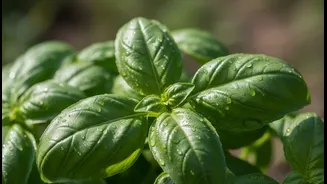
If you still wish to add a touch of fragrance, the key is to be strategic and complementary. Scenting should be a gracious guest, not the main attraction. The golden rule is to choose scents that harmonize with food rather than clash. Light, clean, and natural fragrances are your best bet. Think of scents derived from herbs and citrus, such as basil, rosemary, lemon, or bergamot. These notes often feature in cooking itself and can help create a clean, fresh backdrop. Avoid heavy florals, sweet gourmand scents like vanilla or caramel, and complex musky fragrances in the dining area. The placement is also crucial. Keep any scented items away from the dining table, perhaps in an entryway or living room, to create a subtle welcome. For the table itself, classic unscented taper or pillar candles provide all the ambiance with none of the sensory confusion.
A Pre-Meal and Post-Meal Strategy
Timing is everything. If you love a particular home fragrance, you don't have to abandon it completely. Instead, think of its use in terms of a timeline. You can light a scented candle or use a diffuser an hour before your guests are due to arrive to create an inviting first impression. However, be sure to extinguish it or turn it off at least 30 minutes before food is served. This allows the artificial scent to dissipate, clearing the stage for the food's aroma. After the meal is over and the dishes are cleared, that's the perfect time to reintroduce a pleasant fragrance. A clean, fresh scent can help clear the air of lingering cooking smells and signal a transition from dining to relaxing, perhaps over coffee or dessert. This thoughtful approach gives you the best of both worlds: a beautifully scented home and an unadulterated, delicious meal.