





Understanding Your Phone’s Tools
Modern smartphones come equipped with a suite of features designed to help you power down. On Android, 'Bedtime mode' can silence your phone and turn the screen to grayscale to make it less engaging. iPhones offer a similar 'Sleep Focus' which silences
notifications and dims the lock screen. Many phones also include 'Wind Down' periods that remind you it’s time for bed and can launch relaxing apps. These tools are powerful assistants; they create boundaries by reducing digital interruptions and visual stimulation. However, their primary function is to prompt and protect your bedtime routine, not to create it for you. Think of them as the digital fence around your sleep sanctuary—useful for keeping distractions out, but you still have to build the sanctuary itself.
The Foundation of Good Sleep Hygiene
Technology can't replace the fundamentals of what sleep experts call 'sleep hygiene'. This refers to the set of daily practices that are critical for consistently good sleep. The most important habit is maintaining a regular schedule—going to bed and waking up around the same time every day, even on weekends. Other key habits include getting regular exercise, avoiding heavy meals and caffeine close to bedtime, and creating a relaxing pre-sleep routine. This routine could involve reading a book, gentle stretching, or taking a warm bath. It signals to your brain that the day is over and it's time to prepare for rest. Without this foundation, even the most advanced sleep app will struggle to make a meaningful difference.
Making Tech and Habits Work Together
The real magic happens when you integrate your phone's features into your established habits. Use your phone’s bedtime reminder not as an alarm to start scrolling, but as a trigger to put the phone down and begin your non-screen wind-down routine. Let the automatic 'Sleep Mode' enforce your commitment to disengage. Use the smart alarm feature, which aims to wake you during a lighter sleep stage, to help you feel more refreshed upon waking. By using the technology to support the habits you’re already building, the phone becomes a tool for reinforcement rather than a source of distraction. The goal is to have the technology serve your routine, not the other way around.
The Data Trap of Sleep Tracking
Many people use their phones or wearables to track sleep, analysing data on sleep stages and duration. While these trackers can offer broad insights into your patterns, they are not medical-grade devices and their accuracy can be questionable. This has led to a phenomenon called 'orthosomnia', an unhealthy obsession with achieving perfect sleep scores. This anxiety can, paradoxically, worsen your sleep. Instead of fixating on daily numbers, use the data to spot long-term trends. Did you sleep better during a week when you exercised regularly? Did a late-night coffee habit correlate with more restlessness? Use the data as a guide to inform your habits, but always prioritise how you feel over what the app tells you.
Beyond the Screen: Your Sleep Environment
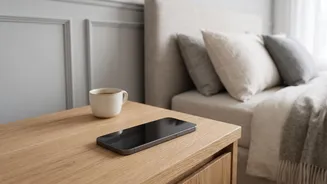
Finally, remember that your phone can’t control the most crucial element of all: your physical sleep environment. A cool, dark, and quiet room is essential for quality rest. Your phone's features can’t replace blackout curtains, a comfortable mattress, or turning down the thermostat. Some apps offer white noise or calming sounds, which can help mask disruptive external noises. But ultimately, creating a peaceful sanctuary for sleep is a physical act. Once your phone has done its job of reminding you it's bedtime and silencing notifications, its most helpful role is often to be charging silently in another room.