
An Ocean World Hiding in Plain Sight
At first glance, Europa seems an unlikely candidate for life. It’s a world encased in ice, with a surface temperature that rarely rises above -160 degrees Celsius. Yet, for decades, scientists have gathered compelling evidence that beneath this icy shell,
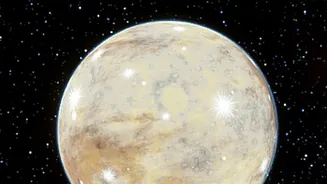
which may be several kilometres thick, lies a colossal, globe-spanning ocean of liquid saltwater. In fact, estimates suggest Europa's ocean may contain twice as much water as all of Earth's oceans combined. The existence of this massive body of water is the primary reason astrobiologists consider Europa one of the most promising places to find life beyond Earth. It transforms the moon from a frozen rock into a dynamic potential habitat.
The Clues Pointing to a Hidden Sea
The evidence for Europa's ocean is indirect but powerful. Data from NASA's Galileo spacecraft, which flew by the moon multiple times in the late 1990s and early 2000s, detected a strange magnetic field. Europa itself doesn't generate one, but it appears to have an induced magnetic field created as it moves through Jupiter’s powerful magnetic environment. The best explanation for this phenomenon is a global, conductive layer beneath the surface—like a salty ocean. Furthermore, images of the moon's surface show vast, chaotic terrains where the ice appears to have broken, shifted, and refrozen, suggesting it rests on a liquid layer. Scientists have also observed what appear to be plumes of water vapour erupting into space from the surface, potentially offering a tantalizing sample of the ocean below.
The Three Ingredients for Life
Life as we know it requires three key ingredients: liquid water, essential chemical elements, and an energy source. Europa appears to have a strong chance of possessing all three. The water is almost certainly there. Recent observations from the James Webb Space Telescope have confirmed the presence of carbon dioxide on Europa's surface, with evidence suggesting it originates from the ocean below, providing a source for a key biological element. The final piece of the puzzle is energy. With no sunlight penetrating the thick ice, life couldn't rely on photosynthesis. However, Europa is constantly squeezed and stretched by Jupiter's immense gravity. This tidal flexing generates heat in its core, which could power hydrothermal vents on the ocean floor. On Earth, such vents are oases for life, supporting entire ecosystems independent of the sun. Computer simulations suggest these types of vents could be stable on Europa for billions of years, providing a long-term cradle for life to emerge and evolve.
First Step: The Europa Clipper
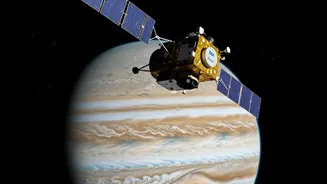
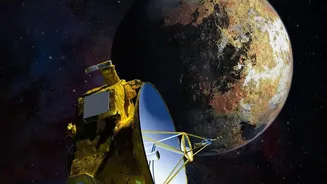
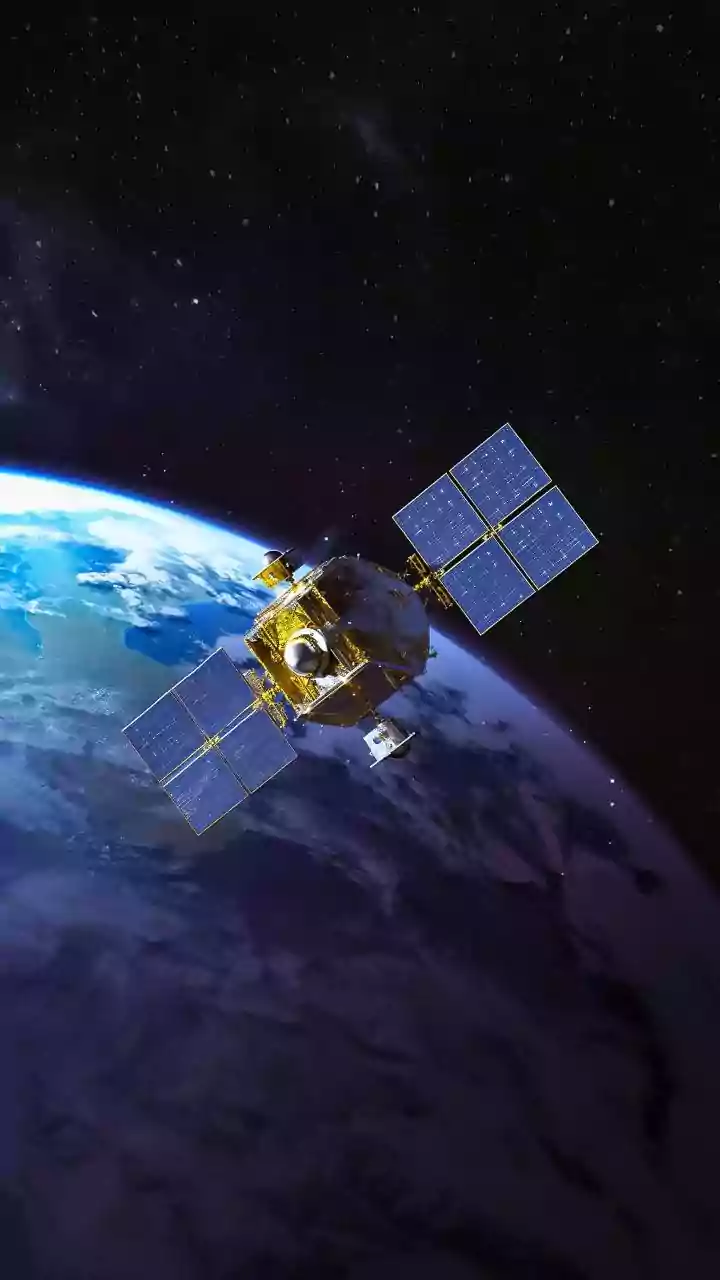
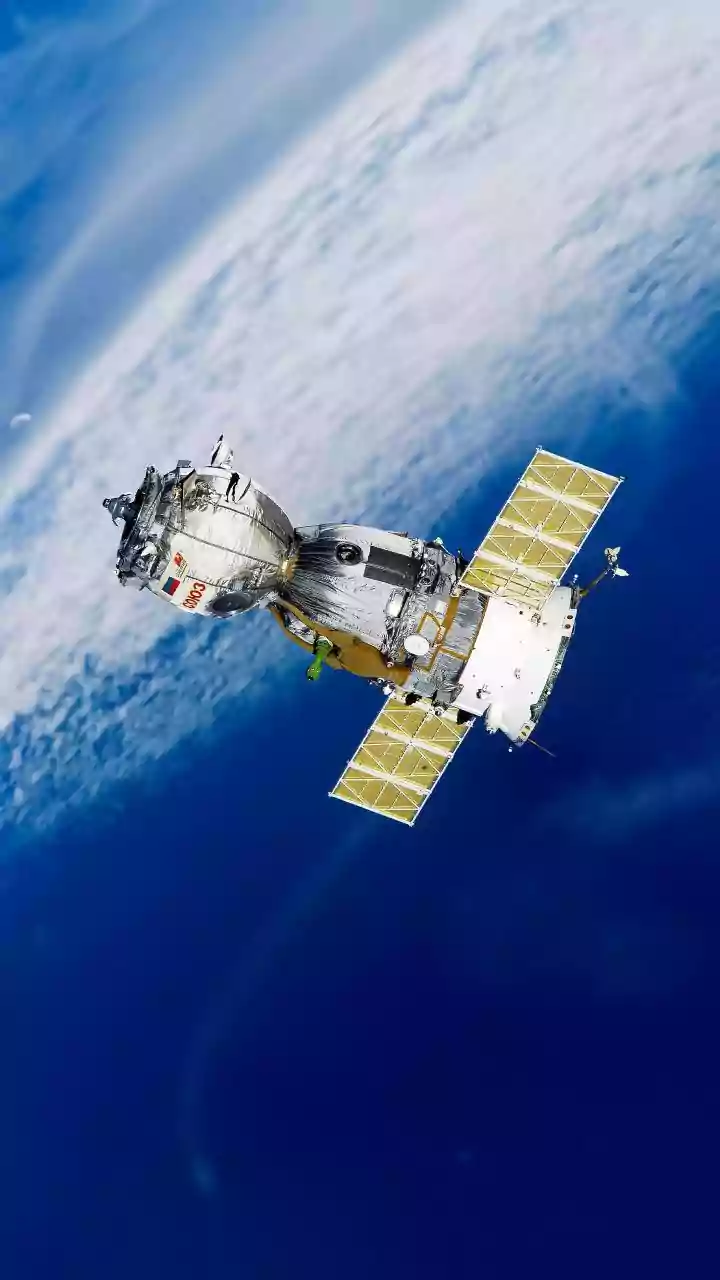
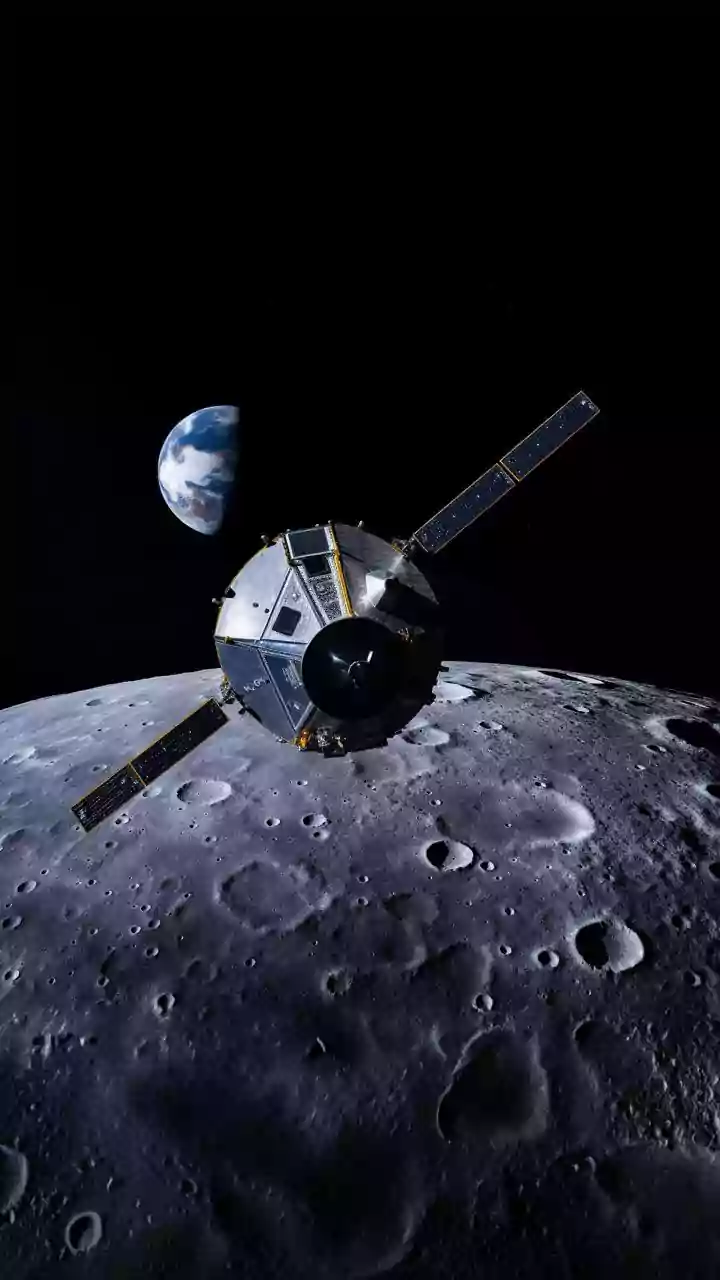
Proving life exists requires getting much closer. NASA's Europa Clipper mission, which launched in October 2024, is the next major step. Set to arrive in the Jupiter system in 2030, the spacecraft won't land but will perform dozens of close flybys of the moon. It's equipped with a suite of advanced instruments, including ice-penetrating radar to determine the thickness of the ice shell and confirm the ocean's existence and depth. It will also carry spectrometers to analyze the composition of the surface and any plumes it might fly through, searching for the chemical building blocks of life. Europa Clipper is not designed to find life directly but to thoroughly characterize Europa’s environment and determine if it is truly habitable.
The Ultimate Goal: Diving In
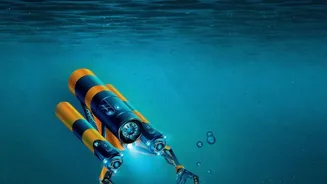
The ultimate proof of life would require getting into the ocean itself—a monumental engineering challenge. A future mission would need to land a probe on the surface and then find a way through kilometres of ice. Scientists are exploring concepts for a nuclear-powered probe that could literally melt its way down, a process that could take years. This "cryobot" would have to withstand immense pressure and extreme cold while deploying a communications tether to send data back to the surface lander. Once through the ice, it could release an autonomous underwater vehicle to explore the dark, mysterious ocean, search for hydrothermal vents, and use on-board instruments to analyze the water for microbial biosignatures. Though such a mission is likely decades away, it represents the final, thrilling step in this profound search.