






Why Now? A Dip in Air Quality
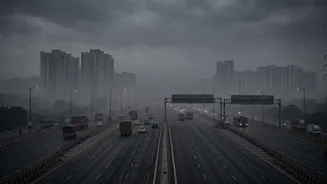
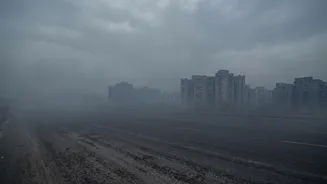
The decision to implement GRAP Stage 1 came on October 21, after Delhi's average Air Quality Index (AQI) crossed into the 'poor' category, jumping from 179 ('moderate') on October 20 to 244 the following day. An AQI between 201 and 300 is classified as 'poor',
and GRAP is designed to be a proactive system. Rather than waiting for the air to become 'severe' or 'hazardous', these early measures aim to prevent the situation from escalating. Forecasts from the India Meteorological Department (IMD) predict that the air quality is likely to remain in the 'poor' category for the coming days, prompting the CAQM to take immediate action.
What is GRAP?
The Graded Response Action Plan, or GRAP, is a set of emergency measures that are incrementally implemented based on the severity of air pollution. Think of it as a four-stage emergency protocol for the region's air. Stage 1 is triggered when the AQI is 'poor', Stage 2 for 'very poor', Stage 3 for 'severe', and Stage 4 for 'severe plus' conditions. The plan, first notified in 2017, provides a clear, step-by-step roadmap for all agencies in the NCR, including Delhi and parts of Haryana, Uttar Pradesh, and Rajasthan, to follow. The goal is to have a coordinated and immediate response to combat rising pollution levels before they become a full-blown public health crisis.
Key Rules Under Stage 1
Stage 1 focuses on curbing some of the most common sources of particulate matter. Key restrictions now in effect include a strict ban on all open burning of waste, including municipal solid waste and biomass. There is also a prohibition on the use of coal and firewood in tandoors at hotels and restaurants. For construction and demolition activities, particularly on sites larger than 500 square metres, strict dust control measures are mandatory, including the use of anti-smog guns and water sprinklers. The use of diesel generator sets is also restricted, permitted only for emergency and essential services. Authorities will also increase the frequency of mechanised road sweeping and water sprinkling on high-traffic corridors.
How This Affects Residents
For the average citizen, the immediate impact of Stage 1 is a signal to become more cautious. While it doesn't involve drastic measures like vehicle rationing, it does mean stricter enforcement. You can expect to see more traffic police managing congestion and enforcing the ban on older, more polluting diesel (10+ years) and petrol (15+ years) vehicles. The ban on coal tandoors might affect some eateries. Most importantly, citizens are urged to cooperate by following the citizen charter, which includes simple steps like ensuring vehicles have a valid Pollution Under Control Certificate (PUCC) and reporting instances of open burning to the relevant authorities. The focus is on collective action to keep the pollution levels from climbing higher.
Protecting Your Health
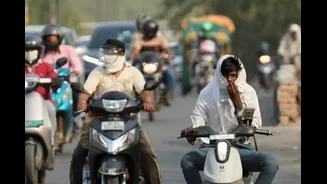
'Poor' air quality can cause breathing discomfort for most people on prolonged exposure and more serious issues for those with existing respiratory conditions. It is advisable to reduce heavy outdoor exertion, especially during early morning and evening hours when pollution levels are often at their highest. For sensitive groups, including children, the elderly, and individuals with asthma or heart conditions, minimizing time spent outdoors is recommended. While not yet at emergency levels, using N95 masks when outside can provide a layer of protection against harmful PM2.5 particles. At home, keeping doors and windows closed and considering the use of an air purifier can help maintain better indoor air quality.