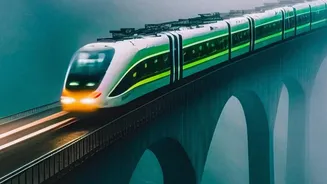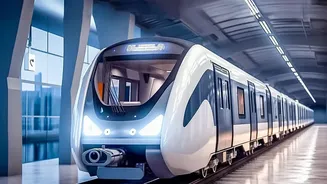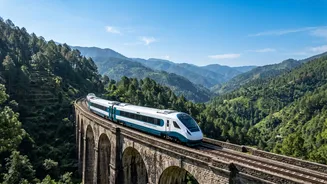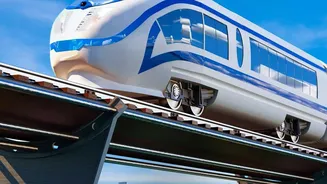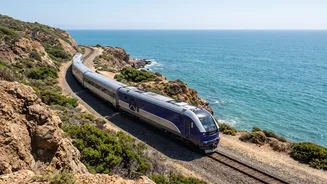





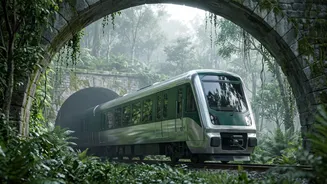
The 'Hydrogen for Heritage' Vision
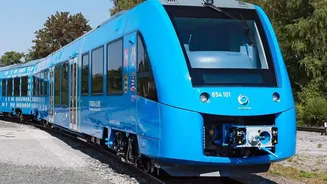
As part of its ambitious goal to become a net-zero carbon emitter by 2030, Indian Railways has launched the 'Hydrogen for Heritage' initiative. This project focuses on replacing traditional diesel engines on iconic, narrow-gauge heritage lines with state-of-the-art
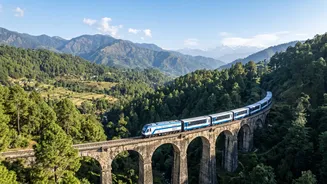
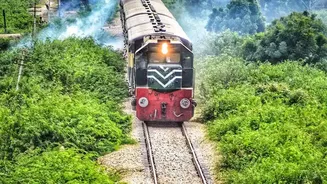
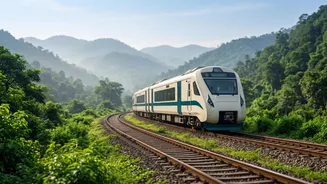
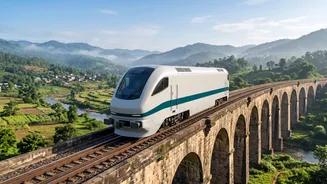
hydrogen-powered locomotives. The plan involves deploying as many as 35 hydrogen trains across routes like the Kalka-Shimla railway, Darjeeling Himalayan Railway, and the Nilgiri Mountain Railway. The strategy serves a dual purpose: preserving the pristine environments of these tourist hotspots and showcasing India's growing technological prowess in green energy.
How Do Hydrogen Trains Actually Work?
Unlike diesel trains that burn fossil fuels, a hydrogen train operates like a mobile power plant. It uses a fuel cell to combine hydrogen, stored in onboard tanks, with oxygen taken from the air. This electrochemical reaction generates electricity to power the train's motors, with the only byproduct being water vapour and a little heat. This means zero harmful emissions like carbon dioxide, nitrogen oxides, or particulate matter along the tracks. Excess energy generated can be stored in batteries to provide an extra boost during acceleration, creating an efficient hybrid system.
Why Start with Scenic and Heritage Routes?
Choosing heritage lines as the testing ground for this technology is a calculated and strategic move. Many of these routes, like the Kalka-Shimla line, pass through numerous tunnels and sharp curves, making overhead electrification difficult and expensive. Furthermore, installing electrical poles and wires would spoil the natural, scenic beauty that makes these journeys so special. These shorter, less dense routes are ideal for pilot projects, allowing engineers to test operational viability and safety before considering a wider rollout. It is also a powerful statement, demonstrating a commitment to protecting India's most cherished landscapes from pollution.
The Pilot Project and a Glimpse of the Future
While the heritage routes are the goal, the first prototype was successfully tested and deployed on the Jind-Sonipat section of the Northern Railway in July 2026. This pilot project is providing invaluable data on performance, safety, and maintenance requirements. Indian Railways established an integrated hydrogen ecosystem at Jind, including production, storage, and dispensing facilities, to support these operations. The experience gained from this initial run is crucial for adapting the technology for the unique geographical challenges of the hill railways, such as the Kalka-Shimla line.
Challenges and the Road Ahead
The path to a fully hydrogen-powered railway is not without its obstacles. The initial cost of hydrogen trains is high, with each train estimated to cost around ₹80 crores, plus an additional ₹70 crores for ground infrastructure per route. Another significant challenge is the production of 'green hydrogen'—hydrogen created using renewable energy like solar or wind. Using green hydrogen is essential for the entire process to be truly carbon-neutral. Currently, officials are focused on bringing down the cost of green hydrogen to make the project economically sustainable for wider adoption. Success in this venture could eventually lead to the technology being used on other non-electrified routes, further contributing to a cleaner national rail network.