







A Historic Win for Indian Exporters
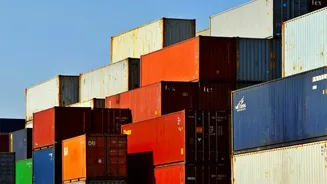
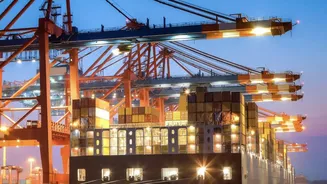
The most significant outcome for India is the immediate elimination of all tariffs on its exports to New Zealand. As of October 20, 2026, 100% of Indian goods can enter the New Zealand market duty-free, a first for India in a comprehensive trade agreement.
Before this deal, Indian products in sectors like textiles, apparel, leather goods, and engineering faced tariffs of up to 10%, making them more expensive for New Zealand consumers. The removal of these duties is set to provide a major competitive advantage for Indian manufacturers and exporters. Key sectors poised to benefit include pharmaceuticals, gems and jewellery, auto components, and a wide array of agricultural and processed food products. This move is expected to invigorate India's 'Make in India' initiative and provide a substantial boost to micro, small, and medium enterprises (MSMEs) looking to expand their global footprint.
The $20 Billion Investment Pledge
Beyond the trade in goods, the agreement contains a crucial investment component. New Zealand has committed to promoting foreign direct investment (FDI) into India with the goal of increasing it by $20 billion over the next 15 years. This capital injection is earmarked for critical areas such as manufacturing, infrastructure development, and emerging technologies. For India, this pledge represents a significant opportunity to accelerate economic growth and, importantly, create jobs. The inflow of investment is expected to support the expansion of industrial capacity and strengthen supply chains, aligning with the government's vision of a self-reliant and developed India ('Aatmanirbhar' and 'Viksit Bharat'). While the ultimate scale of investment will depend on private sector decisions, the framework established by the FTA creates a more attractive and stable environment for New Zealand businesses to invest in India.
Guarding the Farm Gate: The Dairy Dilemma
One of the most sensitive and complex areas of the negotiations was agriculture, particularly the dairy sector. India, home to nearly 80 million dairy farmers, has steadfastly protected this industry from large-scale foreign competition. The final agreement reflects this priority. Core dairy products such as milk, butter, cheese, and yoghurt have been excluded from tariff concessions, meaning they will not get duty-free access to the Indian market. This was a major sticking point for New Zealand, one of the world's largest dairy exporters. However, a compromise was reached. New Zealand has been granted preferential access for a limited quota of specific products like high-quality apples, kiwifruit, and certain dairy-derived ingredients like milk albumins. This balanced approach allows India to open its market selectively while ensuring the livelihoods of millions in its domestic farm sector remain secure.
Beyond Goods: Services, Skills, and Mobility
The FTA is not just about physical products; it also creates new avenues for trade in services and enhances the mobility of skilled professionals. The agreement includes provisions designed to make it easier for Indian professionals and companies to operate in New Zealand, particularly in sectors like IT, construction, education, and healthcare. For example, the pact establishes new visa pathways for highly skilled Indian workers and expands post-study work rights for some Indian graduates in New Zealand. This creates opportunities for India's vast pool of skilled talent and opens the door for new collaborations. The deal also aims to streamline regulatory processes and facilitate the temporary movement of professionals, a key Indian demand in its global trade negotiations, turning the agreement into a comprehensive economic partnership.