



Visas and When to Go
Before you pack your bags, check the latest visa requirements. Many nationalities can enter Oman for up to 14 days without a prior visa, provided they have a confirmed hotel booking, health insurance, and a return ticket. For longer stays, an e-visa can be
obtained online through the Royal Oman Police website. Your passport must have at least six months of validity from your date of entry. The best time to visit is during the cooler months, from October to April, when the weather is perfect for exploring.
Crafting a Backpacker's Budget
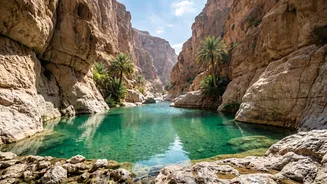
While Oman is more expensive than backpacking hubs in Southeast Asia, it can be managed with careful planning. A frugal backpacker can expect to spend around 25-40 Omani Rials (OMR) per day. This budget involves staying in hostels, eating at local coffee shops, and using public transport. Food is a great area to save; a delicious local meal can cost as little as 2-4 OMR. Many of Oman's best natural attractions, like its famous wadis (valleys), are free to enter. Free camping is also a widely accepted and popular way to save on accommodation costs.
Getting Around Affordably
Renting a car offers the most flexibility, but for budget travellers, public transport is key. Oman's national bus service, Mwasalat, is modern, comfortable, and connects major cities. The journey from Muscat to Nizwa takes about two to three hours and a return ticket is very affordable, costing around 3-5 OMR. Buses depart from stations like Azaiba and Burj Al Sahwa in Muscat and can even be boarded from the airport. Within cities, you can use ride-sharing apps, but public buses are the most economical choice.
Budget Stays in Muscat and Nizwa
The hostel scene in Oman is growing, particularly in the capital. Muscat offers several options for backpackers, with dorm beds being the most economical choice. In Nizwa, while dedicated hostels are less common, there are many budget-friendly guesthouses and hotel apartments available, often located near the souq and fort. Booking in advance is always a good idea, especially during the peak tourist season.
Exploring Muscat on a Dime
Muscat is a city that beautifully blends the old and the new. Many of its top sights are free to enjoy. A visit to the Sultan Qaboos Grand Mosque is a must; its stunning architecture is a sight to behold (entry is free, but be sure to dress modestly). Spend an afternoon wandering along the Muttrah Corniche, watching dhows in the harbour and exploring the maze-like alleys of the Muttrah Souq. While the forts that dot the hillsides are not open to the public, they provide a dramatic backdrop to the city, especially at sunset.
A Journey to Historic Nizwa
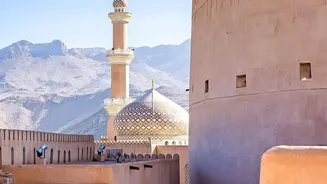
As the former capital, Nizwa is the cultural heart of Oman. The main attraction is the formidable Nizwa Fort, an impressive 17th-century structure offering panoramic views of the city and surrounding date palms. The entry fee is 5 OMR. Adjacent to the fort is the Nizwa Souq, famous for its silverware, pottery, and the lively Friday cattle market. Exploring the souq and the old town of Al Aqr is free and provides a fascinating glimpse into traditional Omani life.
Safety and Cultural Etiquette
Oman is widely regarded as one of the safest countries in the Middle East, with very low crime rates. However, it's always wise to take standard precautions. Oman is a conservative Islamic country, and respecting local customs is important. Dress modestly, ensuring your shoulders and knees are covered in public places. Omanis are known for their incredible hospitality, and you'll likely be met with warmth and friendliness. Learning a few words of Arabic, like 'Shukran' (Thank you), will be appreciated. Public displays of affection are not appropriate.