



The Old Foundation-Finding Frustration
For decades, the process of finding the right foundation has been notoriously flawed. It typically involved a trip to a store, where a well-meaning but often rushed consultant would swatch a few shades on your hand or jawline under harsh department store lighting.
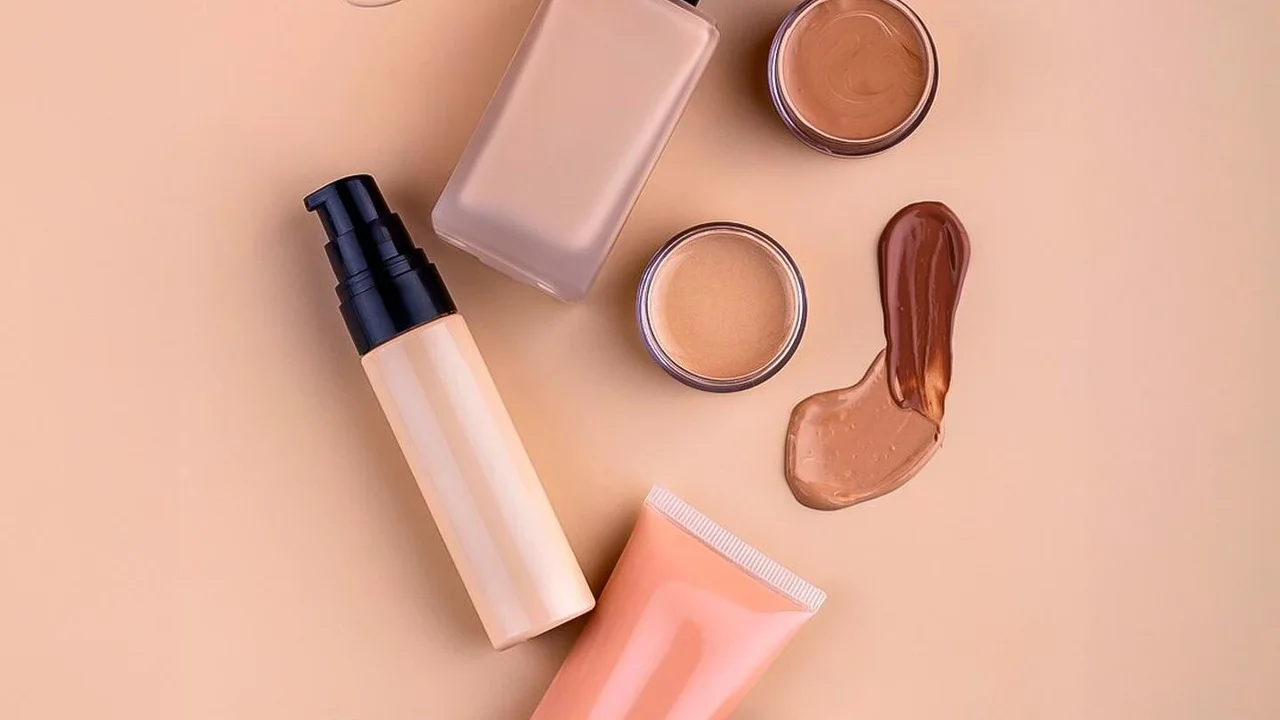
The colour that seemed perfect in the shop would often look completely wrong in natural daylight. This trial-and-error method led to countless purchases that were too orange, too pink, too light, or too dark, creating a veritable 'foundation graveyard' in bathroom cabinets everywhere. Online shopping presented its own set of challenges, with customers attempting to guess their shade based on digitally rendered swatches that looked different on every screen.
How AI and AR Are Changing the Game
Today, that frustrating experience is being replaced by sophisticated technology. Beauty brands are increasingly turning to Artificial Intelligence (AI) and Augmented Reality (AR) to offer precise, personalized shade matching. AI-powered shade finders use computer vision algorithms to analyse your skin tone from a selfie or your phone's live camera. These tools can detect subtle variations in depth and, crucially, undertones (the cool, warm, or neutral hues beneath your skin's surface) that are key to a perfect match. AR technology then takes it a step further, allowing you to virtually 'try on' the recommended shades in real-time, seeing exactly how the foundation will look on your own face without ever opening a bottle.
Your Camera Is the New Beauty Counter
So, how does it work for the user? The process is designed to be seamless. Typically, you'll visit a brand's website or app and access their virtual try-on or shade-finder tool. You'll be prompted to either upload a clear, recent photo of yourself or use your phone's front-facing camera for a live analysis. Some of the most advanced tools ask you to take a short video, turning your head from side to side to capture your skin in different lighting angles. The AI algorithm then analyses the pixels in the image to identify your unique skin signature. Within seconds, it cross-references this data with its product database and presents you with your best foundation match, often with a few alternative shades to consider.
The Brands Leading the Tech-Powered Revolution
This isn't a futuristic concept; it's happening right now. Major players and innovative startups are all in on beauty tech. Brands like L'Oréal, MAC, Estée Lauder, and Clarins have all developed their own AI and AR tools. Perfect Corp, a major technology provider, has partnered with numerous brands, including MAC and e.l.f. Beauty, to power their virtual try-on experiences, boasting the ability to detect nearly 90,000 different skin tones. Some services, like Match My Makeup, even allow you to find equivalent shades across more than 150 different brands, which is perfect if your favourite product is discontinued or you want to try a new formula.
Is It a Perfect System?
While this technology represents a huge leap forward, it's not entirely foolproof. The accuracy of the match can still be influenced by a few factors. The quality of your smartphone's camera and the lighting conditions when you take your photo are paramount. Bright, natural daylight is always best. A low-light selfie taken in a dim room can skew the results. Furthermore, some users find that while the shade might be a digital match, factors like how a formula oxidizes (changes colour after reacting with the skin's natural oils) can still affect the final look. Even so, brands report that AI matching has significantly boosted customer confidence and conversion rates while reducing product returns.
Tips for Getting the Best Virtual Match
To make the most of these new tools, a little preparation goes a long way. First, make sure you start with a clean, makeup-free face. This allows the AI to see your true skin tone. Second, find a spot with good, indirect natural light, like facing a window. Avoid direct sunlight or mixed artificial lighting. When using the camera, hold your phone steady at eye level and ensure your face, neck, and chest are visible if possible, as this gives the tool more information about your overall complexion. Finally, trust the technology but also your own judgement. Use the virtual try-on to compare the top two or three recommendations before making your final decision.