




Know Before You Go: Check Official Bans
The single most important step before planning your trek is to check for official advisories and bans. For monsoon 2026, authorities have issued the strictest safety enforcements in a decade across several states. Many popular treks in Maharashtra's Pune,
Thane, and Raigad districts are under prohibitory orders, with entry to waterfalls, dams, and forts strictly banned to prevent accidents. Similarly, Karnataka has closed certain sensitive trails like Kumara Parvatha for the season and requires mandatory online permits for all open trails. Always check the latest updates on the official Forest Department websites for Karnataka (Aranya Vihara), Maharashtra, Kerala, and Tamil Nadu before you even pack your bags. These rules are legally enforceable, so ignoring them can lead to serious penalties.
Permits and Guides are Non-Negotiable
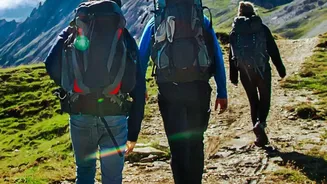
Spontaneous treks are a thing of the past in many parts of the Ghats. In Karnataka, for instance, a new Standard Operating Procedure (SOP) makes online registration and hiring a certified local guide mandatory for all forest trails. These slots, booked via the Aranya Vihara portal, open 15 to 30 days in advance and fill up within minutes for popular routes like Netravati and Kudremukh, especially for a holiday weekend. There are also caps on the number of trekkers allowed per day. Trekking solo is banned on most sanctuary trails, with a minimum group size often required. Planning ahead is no longer a suggestion; it's a requirement.
Essential Gear for a Monsoon Trek
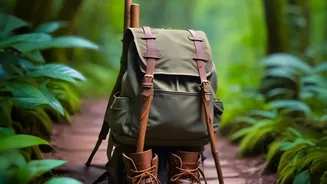
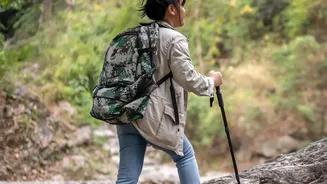
The right gear is a matter of safety, not just comfort. Your checklist must be monsoon-specific. Invest in trekking shoes with excellent grip for slippery rocks and muddy paths; regular sports shoes will not do. A waterproof backpack, or at least a durable rain cover for it, is essential to keep your belongings dry. Pack a lightweight, quick-drying rain jacket and an extra set of clothes in a waterproof bag. To protect against leeches, which are common in the wet undergrowth, wear long socks and consider tucking your trousers into them. A basic first-aid kit, insect repellent, a headlamp, and high-energy snacks are also must-haves.
On-Trail Safety Protocols
The beauty of the monsoon comes with inherent risks. Always start your trek early to avoid failing light on your return. Inform a friend or family member about your exact itinerary and expected return time. Be extremely cautious around water bodies; streams can swell rapidly after a downpour, and entering the plunge pool of any waterfall is strictly forbidden under new rules. Stick to the designated trail, as shortcuts can cause erosion and lead to you getting lost. Pay attention to your guide and follow their instructions, especially regarding wildlife encounters and tricky sections. Remember that mobile connectivity is often non-existent in these areas.
Leave No Trace: The Trekker's Code
The surge in visitors during holidays like Independence Day puts immense pressure on these fragile ecosystems. Practice responsible tourism by adhering to the 'Leave No Trace' principle. This means carrying all your litter back with you, including food wrappers and plastic bottles. Using loud music is disruptive to both wildlife and other trekkers and is often prohibited. Respect the sanctity of the local environment and communities. The goal is to leave the trails as pristine as you found them, ensuring they remain beautiful for generations of adventurers to come.