




The hunt for a snack that is both crunchy and healthy can feel endless. While popcorn has long been the go-to choice for a light bite, an ancient Indian grain is making a comeback: ragi. But how does puffed ragi stack up against the movie-night classic?
Meet the Challenger: Puffed Ragi
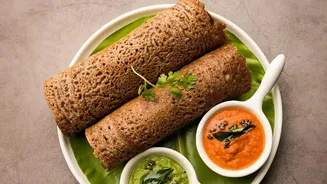
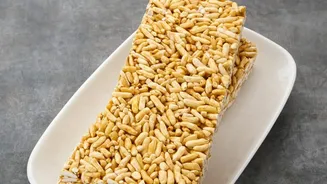
Ragi, also known as finger millet or nachni, is a nutrient-dense grain that has been a staple in South Indian households for centuries. Puffed ragi is simply the whole grain that has been heated until it pops, much like corn. This process can be done at home by soaking, drying, and roasting the grains until they puff up. The result is a light, airy, and crunchy base that’s naturally gluten-free. Unlike snacks made from refined flours, puffed ragi retains the inherent goodness of the whole grain, including its fibre and minerals. Its flavour is mildly nutty and earthy, making it a versatile ingredient for both sweet and savoury snacks.
The Reigning Champion: Popcorn
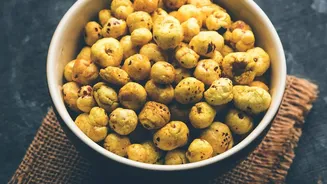
Popcorn needs little introduction. It is a specific type of flint corn kernel that, when heated, explodes and puffs up. When prepared without excessive oil, butter, or sugar, popcorn is a whole-grain snack that is surprisingly low in calories. A single cup of air-popped popcorn contains roughly 30 calories, making it a favourite for those watching their weight. It is celebrated for its high volume, which can help create a feeling of fullness. While often associated with unhealthy cinema snacks loaded with butter and salt, plain popcorn serves as a healthy, high-fibre canvas that can be seasoned in countless ways.
The Nutritional Showdown
When placed side-by-side, the nutritional differences become clear. Ragi's standout feature is its mineral content. It is one of the richest plant-based sources of calcium, crucial for bone health, and is also packed with iron. This makes puffed ragi an excellent choice for children, older adults, and anyone looking to boost their mineral intake without dairy. Popcorn, on the other hand, generally has fewer calories per cup than puffed ragi. However, ragi is richer in protein and dietary fibre, which aids in digestion and helps keep you feeling full for longer. Both snacks are healthy, but they serve different nutritional purposes. If your goal is maximum nutrients like calcium and iron, ragi has the edge. If you are seeking a low-calorie, high-volume snack, air-popped popcorn is a strong contender.
Preparation and How to Snack
The health benefits of both snacks depend heavily on preparation. Air_popping is the healthiest method for popcorn, while roasting is best for ragi, as these methods require little to no oil. Puffed ragi is incredibly versatile. It can be turned into a savoury 'chivda' or 'namkeen' by tossing it with roasted peanuts, curry leaves, and spices like turmeric and chaat masala. For a sweet treat, it can be mixed with jaggery or even coated in dark chocolate. Popcorn is similarly adaptable, enjoyed with a sprinkle of salt or spiced up with paprika and herbs. The key for both is to avoid deep_frying and limit additions of sugar, butter, and excessive salt, which can quickly turn a healthy snack into an unhealthy one.
The Verdict: Which Puff Is for You?
There is no single winner in the battle between puffed ragi and popcorn; the best choice depends on your personal health goals. Puffed ragi is a nutritional powerhouse, offering superior levels of calcium, iron, and protein. Its lower glycemic index also makes it a smarter option for those managing blood sugar levels. It is an excellent way to incorporate the benefits of traditional Indian millets into a modern, convenient snack. Air_popped popcorn wins on the low_calorie front, offering a greater volume of snack for fewer calories, which can be beneficial for weight management. It also contains beneficial antioxidants. Ultimately, both snacks, in their plainest forms, are far healthier alternatives to fried chips and other processed snacks.