





The Post-Monsoon Allure
There's a reason the period from October to February is considered the golden season in Goa. After the heavy rains, the state transforms into a lush, green paradise. The air is clean, the humidity drops, and the landscape is vibrant and alive. For remote
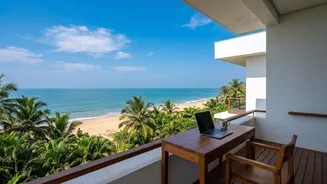
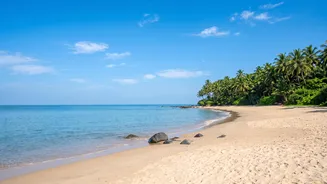
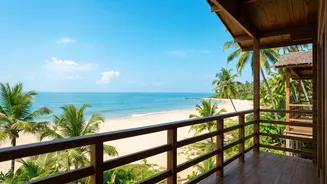
workers, this timing is perfect. It offers a refreshing escape from the post-monsoon urban grind in cities like Mumbai, Delhi, and Bengaluru. The weather is ideal for setting up a workstation on a balcony overlooking paddy fields or taking a scooter ride to the beach after logging off. This season offers the perfect blend of pleasant weather and natural beauty, creating a serene environment conducive to both productivity and relaxation.
Trading Urban Woes for Coastal Calm
The dream of a better work-life balance is a major driver for this migration. Professionals are seeking an escape from the high stress, pollution, and cramped living conditions of major metropolitan areas. Goa offers a stark contrast with its slower pace of life, open spaces, and easy access to nature. The ability to swap a stressful commute for a morning walk on the beach or an evening in a quiet village is a powerful motivator. This shift isn't just about changing a location; it's about fundamentally changing the rhythm of daily life, prioritising wellness and mental peace alongside professional responsibilities.
Making the Numbers Work
While Goa is no longer the ultra-cheap haven it once was, a move can still be financially savvy compared to the soaring costs of metro cities. A recent breakdown by a remote worker showed a monthly budget of around ₹30,000, covering shared accommodation, groceries, scooter rental, and other essentials. Long-term rentals for a 1BHK apartment can range from ₹18,000 to ₹30,000 per month, depending on the location and season. Areas in South Goa like Benaulim and Varca are often more affordable for those seeking tranquility, while North Goa hubs like Siolim and Assagao offer vibrant communities at a slightly higher price point. By avoiding tourist traps and living like a local, many find the cost of living manageable, especially when factoring in the quality of life.
Setting Up Your Remote Office
A key concern for any digital nomad is connectivity. Fortunately, Goa's infrastructure has been improving to meet the demand. High-speed fibre broadband is available in many areas, and a host of coworking spaces have emerged across the state, from the bustling north to the quieter south. Hubs like NomadGao, 91Springboard, and Clay offer reliable internet, power backup, and a community of like-minded professionals. Many cafes have also become work-friendly zones. While internet can still be inconsistent in more rural pockets, a combination of a good home connection and a local coworking membership can ensure you stay productive.
Life Beyond the Laptop
The true appeal of Goa lies in what happens after the workday is done. The state offers a rich tapestry of experiences, from its diverse culinary scene and vibrant nightlife to wellness retreats and yoga centres. The distinct cultures of North and South Goa allow people to choose their preferred vibe—the social, energetic scene of Anjuna and Vagator or the pristine, laid-back beaches of Palolem and Agonda. Renting a scooter, a near-essential in Goa, provides the freedom to explore hidden villages, local markets, and historic Portuguese-influenced architecture. This lifestyle encourages a healthier balance, where work is integrated into a life filled with exploration and community.