





Understanding the July Travel Surge
July marks a challenging period for railway passengers across India. It's a time when the last leg of summer holiday travel overlaps with the onset of monsoon, leading to a significant spike in demand for train tickets. Families returning home, students
travelling for admissions, and others undertaking essential journeys often face the frustration of fully booked trains and daunting waitlists. This surge puts immense pressure on the existing railway network, particularly on high-demand routes connecting major metropolitan areas with regional hubs. For budget travellers who rely on more affordable classes of travel, securing a confirmed seat can become a stressful and uncertain exercise.
Railways' Reinforcements Arrive
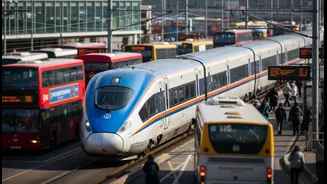
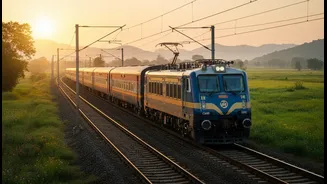
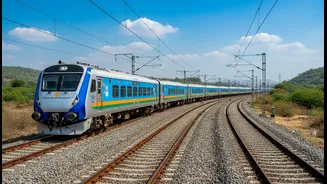
To address this predictable chaos, Indian Railways has proactively announced a significant number of special train services scheduled to run through July 2026. This initiative is part of a broader strategy to manage seasonal demand, which saw the railways approve over 18,000 special trips between April and July. Various railway zones, including Western, Northern, Central, and South Central Railways, are participating in this effort. These additional services are specifically designed to clear the extra rush, reduce waiting lists, and provide more travel options on the busiest corridors in the country.
Focus on Budget-Friendly Travel
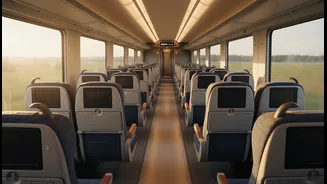
A key aspect of this year's announcement is the consideration for budget passengers. Many of these special trains are not just premium services; they include a significant number of unreserved General Second Class and Sleeper Class coaches. This composition is a deliberate move to cater to passengers who find fares in higher-tier classes prohibitive. By increasing the availability of these more affordable coaches, the railways aim to ensure that travel remains accessible for everyone. For instance, the East Coast Railway recently announced the augmentation of several trains with additional General Second Class coaches specifically for July. These 'Special Fare' or unreserved special trains provide a crucial alternative to fully booked regular services.
Key Routes and Extended Services
The special services cover a wide network of high-demand routes. Western Railway has extended the operation of weekly specials connecting Mumbai with destinations like Banaras and Katihar through the end of July. Similarly, Northern Railway has extended services on routes such as Hazur Sahib Nanded to Hazrat Nizamuddin and Udaipur City to Yog Nagari Rishikesh for several weeks in July. South Central Railway has also extended special trains connecting Kanpur with Bengaluru and Prayagraj with Hubballi into September, providing relief for long-distance travellers. These extensions and new announcements provide critical capacity on routes that are lifelines for migrant workers, students, and pilgrims.
How to Book and Stay Informed
Booking for these special trains is open through the official IRCTC website and the Rail Connect mobile app, as well as at Passenger Reservation System (PRS) counters. It is crucial for passengers to act fast, as seats on these special services also fill up quickly. The Advance Reservation Period (ARP) for most trains is 60 days, but special trains can sometimes have a shorter booking window. To stay updated, passengers should regularly check the official websites of Indian Railways and its zonal divisions, or use the National Train Enquiry System (NTES) for the most current information on train schedules, availability, and new announcements. When searching for trains, be sure to look for those with special numbers, often starting with '0'.