




The Rise of Indian Bean-to-Bar Chocolate
For decades, chocolate in India was dominated by mass-produced bars from multinational corporations, often using imported, bulk-processed cocoa. But a quiet revolution has been brewing in the southern states of Kerala, Tamil Nadu, Andhra Pradesh, and
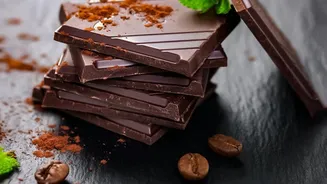
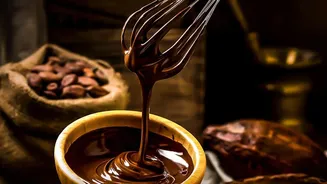
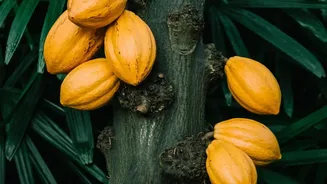
Karnataka. A new generation of Indian chocolatiers is championing a “bean-to-bar” philosophy, taking control of the entire process from sourcing cacao beans to creating the final product. This movement shifts the focus from a borrowed Western indulgence to something uniquely Indian, celebrating local terroir and craftsmanship. Brands like Manam, Mason & Co, and Soklet are not just making chocolate; they are telling a story that begins on the sun-dappled farms of the south.
What 'Single-Origin' Really Means
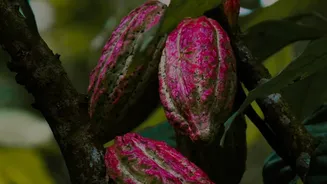
The term “single-origin” is at the heart of this shift. It means the cacao beans come from a specific farm or region, allowing their unique flavour profile—or terroir—to shine through. For years, Indian cacao was treated as a low-grade commodity, with wet beans sold to middlemen and quality being an afterthought. Now, chocolatiers work directly with farmers, ensuring proper fermentation and drying, which is crucial for developing complex flavours. This traceability contrasts sharply with industrial chocolate, which blends beans from various sources, losing any sense of place. The result is a more nuanced product, with flavours influenced by the soil and the other crops like coconut, pepper, or nutmeg grown alongside the cacao.
A More Sustainable and Ethical Choice
This movement is about more than just taste; it's a commitment to sustainability. By sourcing locally, brands significantly reduce their carbon footprint. Many of these cacao farms practice organic and eco-friendly methods, often growing cacao as an intercrop within biodiverse plantations, which improves soil health and eliminates the need for chemicals. This model also brings profound social benefits. Direct trade ensures that farmers receive fair and consistent pay, empowering local communities and providing stable livelihoods. Some brands, like Pascati, have gone a step further to become Fairtrade certified, while others like Kocoatrait have pioneered zero-waste packaging, using materials like reclaimed cotton and cocoa shells.
Redefining Luxury Gifting
This story of origin, quality, and sustainability is resonating with Indian consumers, especially in the luxury gifting space. Gifting a box of single-origin chocolates now signifies thoughtfulness and an appreciation for quality over mere branding. Consumers are increasingly willing to pay a premium for products with a clear, ethical backstory. Artisanal brands are leaning into this, offering elegant packaging and unique Indian flavours—from black pepper and tamarind to filter coffee and jaggery—making their products a popular choice for festivals and corporate gifting. It represents a move away from generic presents to a more meaningful gift that supports local farmers and sustainable agriculture.
The Challenges Ahead
Despite its growth, the Indian craft chocolate movement is still in its early stages. While domestic production is rising, it still meets less than 20% of the country's total demand for cocoa. Artisanal makers face challenges in scaling up, maintaining consistent supply chains, and educating a consumer base long accustomed to the taste of mass-market chocolates. Competing with the marketing might of global giants remains a significant hurdle. However, with a growing consumer appetite for clean, locally sourced foods and the increasing recognition of Indian cacao on the world stage, the future looks bright.