





The Allure of an Untouched Paradise
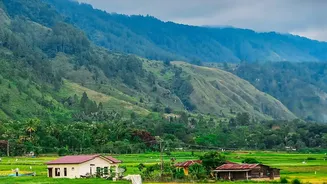
Ziro Valley is a world away from the usual crowded hill stations. Nestled at an altitude of about 1,500 metres, this picturesque plateau is a tranquil landscape of sprawling rice terraces, misty mountains, and dense pine forests. It’s home to the Apatani
tribe, a community renowned for its deep connection to nature and unique cultural practices. This blend of breathtaking scenery and living heritage has made Ziro a haven for soul-seekers, photographers, and those looking to disconnect from urban chaos. The valley’s nomination for UNESCO World Heritage Site status is a testament to its cultural and ecological significance, particularly the Apatani's ingenious paddy-cum-pisciculture system—a form of sustainable agriculture that has been perfected over centuries.
Rise of the Conscious Traveller
The trend among younger visitors to Ziro isn't just about getting a great photo; it's about meaningful travel. This new wave of explorers is actively seeking authentic experiences over commercialised tourism. They are drawn to Ziro's sustainable way of life, where the Apatani community's practices offer a powerful lesson in ecological harmony. Instead of luxury resorts, these travellers are opting for stays that offer a genuine connection to the place and its people. This shift reflects a broader change in travel priorities, where environmental impact and cultural respect are as important as the destination itself. The goal is to leave a positive footprint, supporting local economies and preserving the very things that make Ziro so special.
What 'Eco-Friendly Stay' Means in Ziro
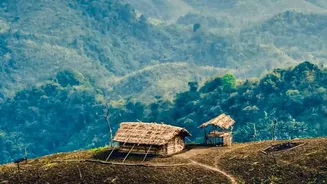
In Ziro, an eco-friendly stay almost always means a homestay. Local families, often with support from community-based organisations, have opened their homes to visitors, offering a unique window into Apatani life. These accommodations are typically traditional bamboo houses, built with local materials and designed to blend with the environment. Staying in one allows for an immersive cultural exchange—sharing meals prepared with organic produce, learning about local customs, and understanding the rhythms of village life. Beyond the cultural aspect, these homestays are inherently sustainable, with a low carbon footprint and direct economic benefits for the host community, making them a cornerstone of responsible tourism in the valley.
Your Guide to the Inner Line Permit (ILP)
A crucial step for any trip to Arunachal Pradesh is securing an Inner Line Permit (ILP), a mandatory travel document for all Indian citizens who are not residents of the state. This system has been in place since the British era to protect the region's fragile ecosystems and unique tribal cultures from unregulated tourism and settlement. Obtaining an ILP is a straightforward process that can be done online through the official Arunachal Pradesh e-ILP portal. Applicants need to provide a valid photo ID (like an Aadhaar card), a passport-sized photograph, and their intended travel dates and districts. The fee is nominal, and permits are often approved within a few working days. Rather than a hurdle, the ILP should be seen as part of a responsible travel framework that helps preserve the state's precious heritage.
Beyond the Stay: Responsible Exploration
A trip to Ziro is an opportunity to practice mindful tourism. Visitors can take guided walks through villages like Hong and Hari to observe the Apatani way of life respectfully. Exploring the terraced fields reveals the genius of their integrated rice and fish farming system, a practice that has earned global recognition. While the Ziro Festival of Music is a major draw for young people, attracting thousands every September, it's important to enjoy it responsibly by minimising waste and respecting local norms. Supporting local artisans by purchasing handcrafted bamboo items and textiles also contributes directly to the community. The essence of a Ziro trip lies not just in seeing, but in participating and appreciating the delicate balance between its people and their land.