






An Ancient Staple Reimagined
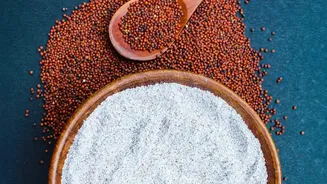
At its core, Ambali is a traditional fermented drink, primarily from Southern India, with deep roots in states like Karnataka, Tamil Nadu, and Andhra Pradesh. It’s a simple, savoury porridge or gruel made from finger millet, known universally as ragi.
The process involves cooking ragi flour with water to form a thick paste, which is then allowed to ferment, often overnight. This fermentation is what gives Ambali its characteristic mild, tangy flavour. Traditionally, it’s a farmer’s drink, valued for its ability to cool the body and provide sustained energy for a hard day's work. It's typically served thin and seasoned with buttermilk or curd, salt, and finely chopped shallots or green chillies. Far from being a new invention, it's a centuries-old recipe that has nourished generations.
A Nutritional Powerhouse
The renewed interest in Ambali isn't just about nostalgia; it's rooted in solid nutritional science. Ragi itself is a powerhouse, celebrated for being one of the richest plant-based sources of calcium, essential for bone health. It’s also packed with iron and dietary fibre. The magic, however, happens during fermentation. This natural process not only creates probiotics—the beneficial bacteria crucial for good gut health—but it also works to break down anti-nutrients like phytic acid. This breakdown makes minerals like calcium and iron significantly more bioavailable, meaning your body can absorb them much more effectively. In essence, fermentation unlocks the full nutritional potential of the humble millet, turning a simple meal into a superfood.
The Modern Wellness Connection
So, why is Ambali suddenly appearing on urban menus? Its rise is a perfect storm of several major wellness trends. First is the global obsession with gut health and fermented foods. As consumers have embraced everything from kimchi to kefir, Ambali fits right in as India’s own traditional probiotic drink. Second, there’s a strong “back-to-roots” movement, with a growing number of people seeking out indigenous, local ingredients and traditional recipes that have stood the test of time. Millets, once seen as coarse grains, are being celebrated for their sustainability and health benefits. Finally, Ambali is naturally gluten-free and has a low glycaemic index, making it an ideal choice for health-conscious consumers managing blood sugar levels or looking for grain diversity.
The Urban Cafe Makeover
Of course, the Ambali you find in a sleek city cafe might look a little different from the traditional version. While the core of fermented ragi remains, the presentation is getting a modern upgrade. Cafes are serving it chilled in stylish glasses, sometimes rebranding it as a “millet smoothie” or a “probiotic porridge.” They might offer customisable “Ambali bowls” with contemporary toppings like toasted seeds, nuts, fresh herbs, and roasted vegetables. This makeover makes the traditional drink more accessible and appealing to a new generation that values both health and aesthetics. It’s a smart adaptation, bridging the gap between ancient culinary wisdom and the demands of the modern wellness market, proving that what’s old can truly be new again.