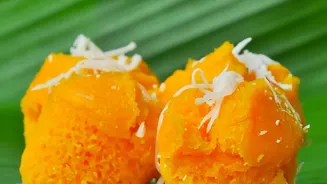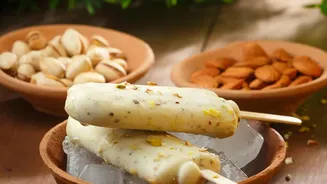

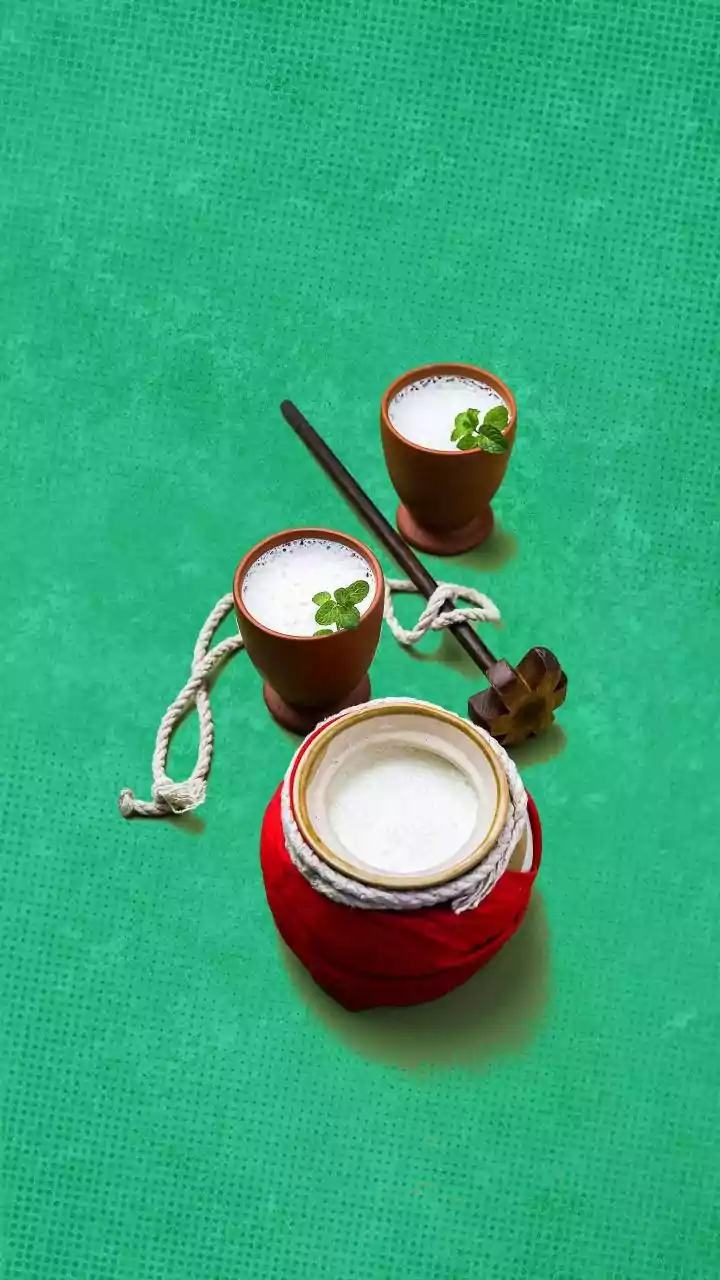
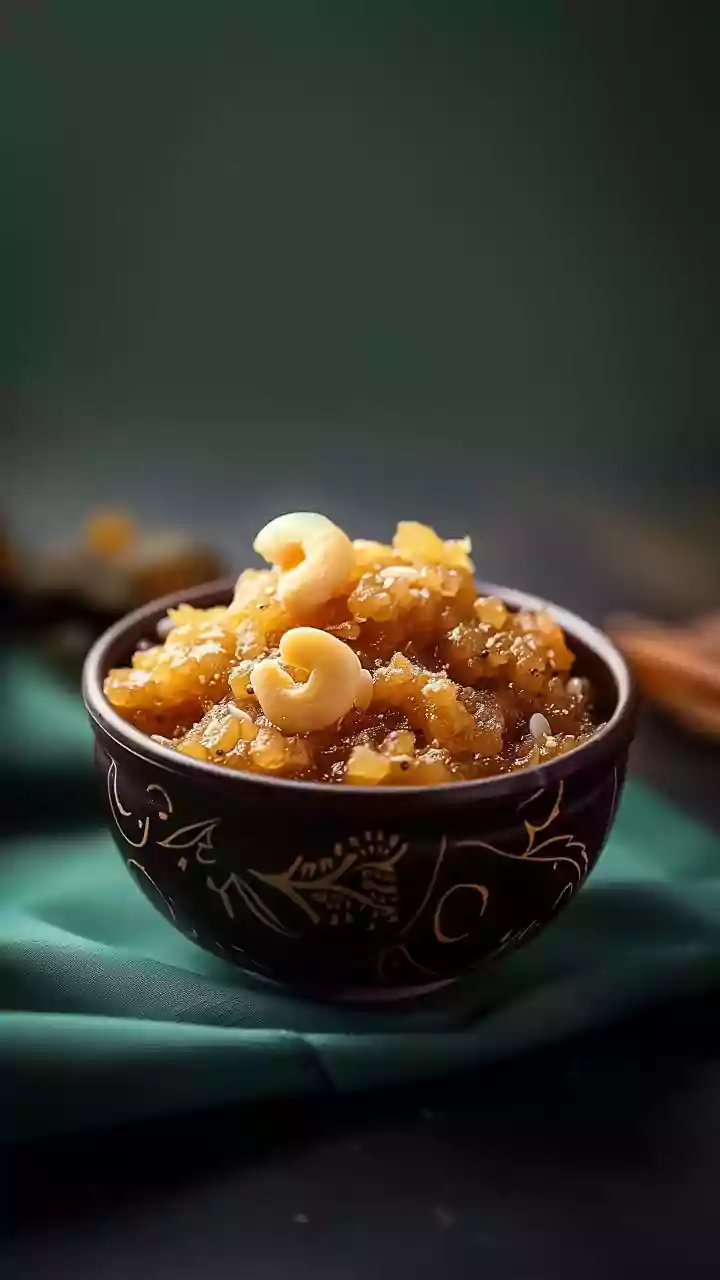

1. Makkhan Misri: The Essential Offering
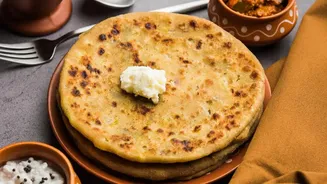
No Janmashtami bhog is complete without Makkhan Misri. This simple, uncooked offering of fresh white butter mixed with rock sugar (mishri) is considered Lord Krishna's absolute favourite. According to Hindu mythology, Krishna's love for butter was so great
that he was lovingly called 'Makhanchor', or the butter thief, for his playful antics in Vrindavan. Offering this divine mixture is a direct nod to his childhood, symbolising purity, innocence, and the simple joys of life. It’s the most direct and personal way for devotees to connect with the stories of Bal Krishna, making it an indispensable part of the midnight puja.
2. Panchamrit: The Divine Nectar
Panchamrit, which translates to 'five nectars', is a sacred concoction essential to Hindu rituals. It is prepared by mixing five core ingredients: raw cow's milk, curd (yoghurt), honey, ghee, and sugar. Each ingredient holds symbolic value, representing purity, prosperity, unity, strength, and sweetness. This holy mixture is used for the ritual bathing (abhisheka) of the infant Krishna idol at midnight and is then distributed as 'prasad' or 'charanamrit' to devotees. Its preparation requires no cooking, making it a simple yet profoundly significant offering that signifies divine blessings and nourishment.
3. Kheer: A Classic, Comforting Pudding
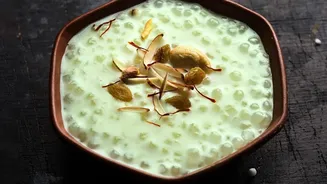
Kheer, a creamy rice pudding, is a beloved dessert across India and a staple offering during festivals. Made by slow-cooking rice in milk until it thickens, it’s sweetened with sugar and often flavoured with cardamom, saffron, and garnished with nuts like almonds and pistachios. Its comforting aroma and rich, gentle sweetness make it a fitting tribute for a joyous occasion like Janmashtami. Offering a bowl of warm, freshly prepared kheer is a gesture of love and devotion, representing the abundance and sweetness that devotees wish to invite into their lives through Krishna's blessings. It is a timeless bhog that finds its place in almost every festive thali.
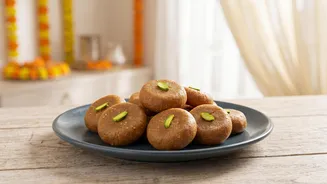
4. Mathura Peda: A Taste of Krishna’s Birthplace
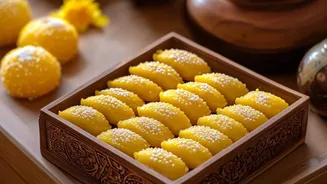
Directly linked with the holy city of Mathura, Lord Krishna’s birthplace, the Mathura Peda is a special bhog for Janmashtami. This traditional sweet is made by slow-cooking khoya (milk solids) with sugar and ghee until it caramelises into a beautiful brown colour and develops a unique, grainy texture. Flavoured with cardamom and sometimes a hint of nutmeg, these pedas are melt-in-the-mouth delicious. Preparing this sweet connects the devotee directly to the land of Braj, where Krishna spent his formative years. Offering Mathura Peda is like bringing a piece of his home into the celebration, making the bhog deeply personal and traditional.
5. Rabri: Rich and Creamy Indulgence
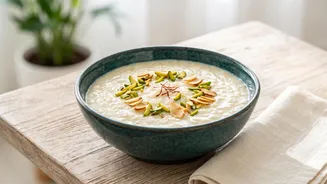
Rabri is a decadent dessert made by simmering full-fat milk in a heavy-bottomed pan for a long time until it reduces and thickens, collecting the layers of cream (malai) that form on top. This slow process results in a rich, condensed milk base with a luscious, layered texture. Sweetened with sugar and flavoured with saffron and cardamom, it is a luxurious treat fit for a divine celebration. Rabri can be served on its own or as an accompaniment to other sweets like malpua or jalebi. Its richness and creaminess are a perfect embodiment of the festive spirit and the devotion poured into preparing a special meal for Lord Krishna on his birthday.