





The Psychology of the Short Break
So, what's driving this change? The answer lies in our collective exhaustion. The post-pandemic world has blurred the lines between work and home, leading to unprecedented levels of burnout. The idea of waiting an entire year for a two-week holiday feels
less appealing when you need a recharge *now*. These quick getaways—often just a weekend or an extended long weekend—offer a more immediate and accessible solution. They act as pressure-release valves, helping us reset our minds and bodies without the logistical headache and financial strain of a major vacation. Travel industry experts note that this isn't just about 'revenge travel' anymore; it's about integrating travel into our lives as a regular wellness practice rather than a rare, monumental event.
1. The Rise of the Drivable Destination
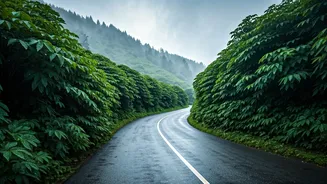
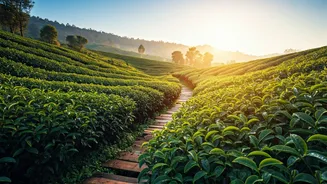
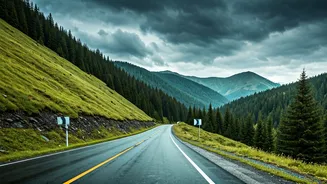
One of the most popular forms of the quick getaway is the good old-fashioned road trip. The appeal is simple: control, convenience, and discovery. Instead of booking flights and navigating airports, travellers are filling up their tanks and exploring hidden gems within a few hours' drive. This trend has boosted tourism in smaller towns and scenic locales that were previously overlooked. Think of residents in Delhi escaping to the hills of Kasauli, Mumbaikars heading to the vineyards of Nashik, or Bangaloreans finding peace in the coffee plantations of Coorg. These drivable destinations offer a complete change of scenery and pace, making them perfect for a 48-to-72-hour reset. Homestays, boutique hotels, and farm stays in these areas have flourished, catering to city dwellers looking for an authentic and peaceful experience.
2. The Wellness Weekend
The short break has also become synonymous with self-care. Wellness-focused getaways are no longer a niche market. People are actively seeking out short, intensive retreats that promise rejuvenation. These aren't just about fluffy bathrobes and massages. A modern wellness weekend might involve a digital detox at an ashram near Rishikesh, a structured yoga and meditation program at a coastal resort in Kerala, or a silent retreat in the mountains of Himachal. The goal is to return not just rested, but mentally clearer and more centred. These trips are designed to be impactful, providing tools and practices that travellers can incorporate into their daily lives long after the weekend is over.
3. The Urban Staycation, Reimagined
Who says you need to leave the city to escape it? The staycation has evolved from a budget-friendly alternative to a desirable experience in its own right. It's the art of being a tourist in your own town. This could mean booking a luxurious hotel room for a night, enjoying the pool, ordering room service, and completely disconnecting from household chores and daily responsibilities. For others, it’s about finally exploring that museum they’ve always meant to visit, taking a guided food tour through an old neighbourhood, or simply spending a day reading in a quiet café far from home. The staycation eliminates travel time and stress, allowing for maximum relaxation in a minimal timeframe. It’s a reminder that a break is a state of mind, not just a location.
4. The Micro-Adventure
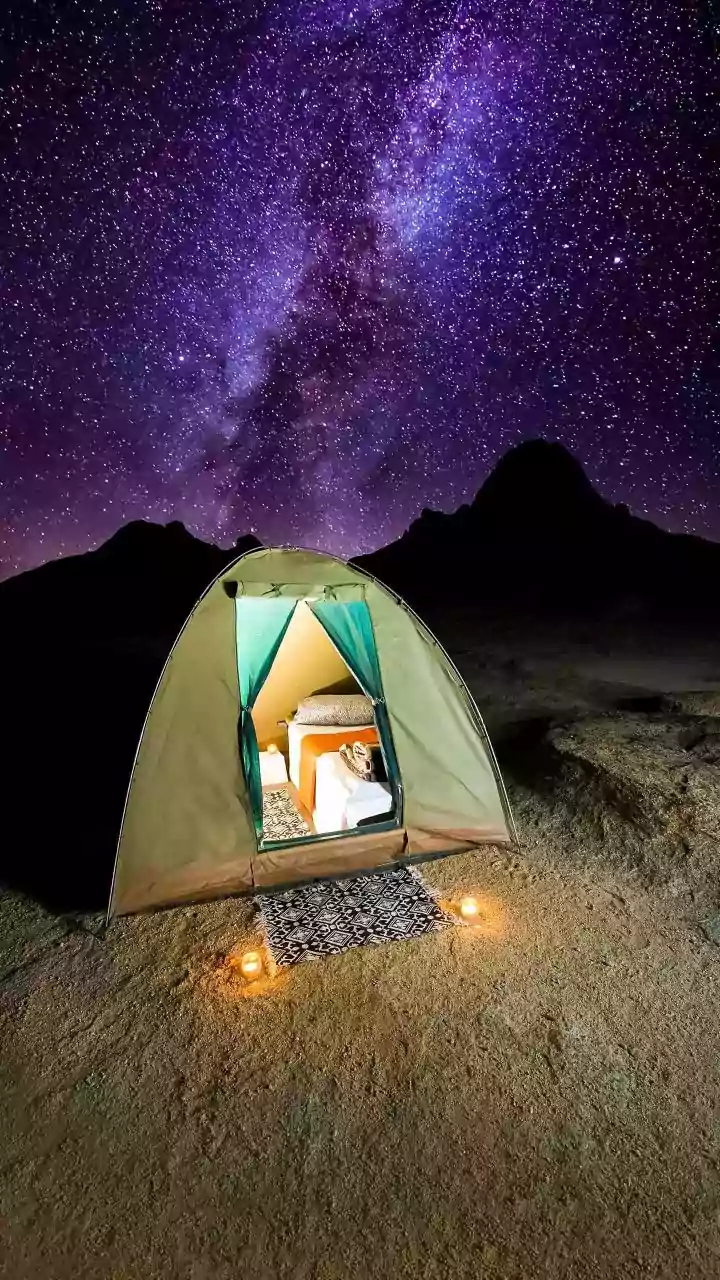
For those who crave a shot of adrenaline, the quick getaway offers the perfect opportunity for a micro-adventure. These are short, high-energy trips focused on a single activity. Think a weekend of river rafting on the Ganges, a two-day trek to a fort in the Sahyadris, a surfing lesson in Varkala, or a paragliding experience in Bir Billing. These adventures provide a powerful break from routine, replacing screen time with physical challenges and breathtaking natural beauty. They offer a sense of accomplishment and excitement that can energize you for weeks. The condensed timeframe makes them accessible to busy professionals and students who can’t commit to a longer expedition but still want to feel the thrill of adventure.