




An Era of Experience-Led Exploration
Indian travellers are increasingly choosing to explore destinations within the country, driven by a desire for authentic cultural and spiritual experiences. This trend, sometimes called 'inward wanderlust', is seeing a major shift towards experience-led
holidays, with a high percentage of travellers planning trips around festivals, concerts, and other ticketed events. Instead of just sightseeing, people are seeking immersive journeys that connect them to India's rich heritage. This shift has put the spotlight on two of the country's most iconic festival destinations: Kolkata for Durga Puja and Varanasi for Dev Deepavali. Both cities are now at the epicentre of a domestic tourism boom that is reshaping how and where Indians travel.
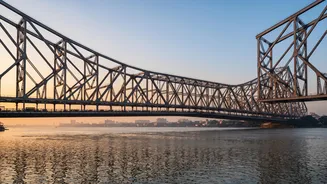
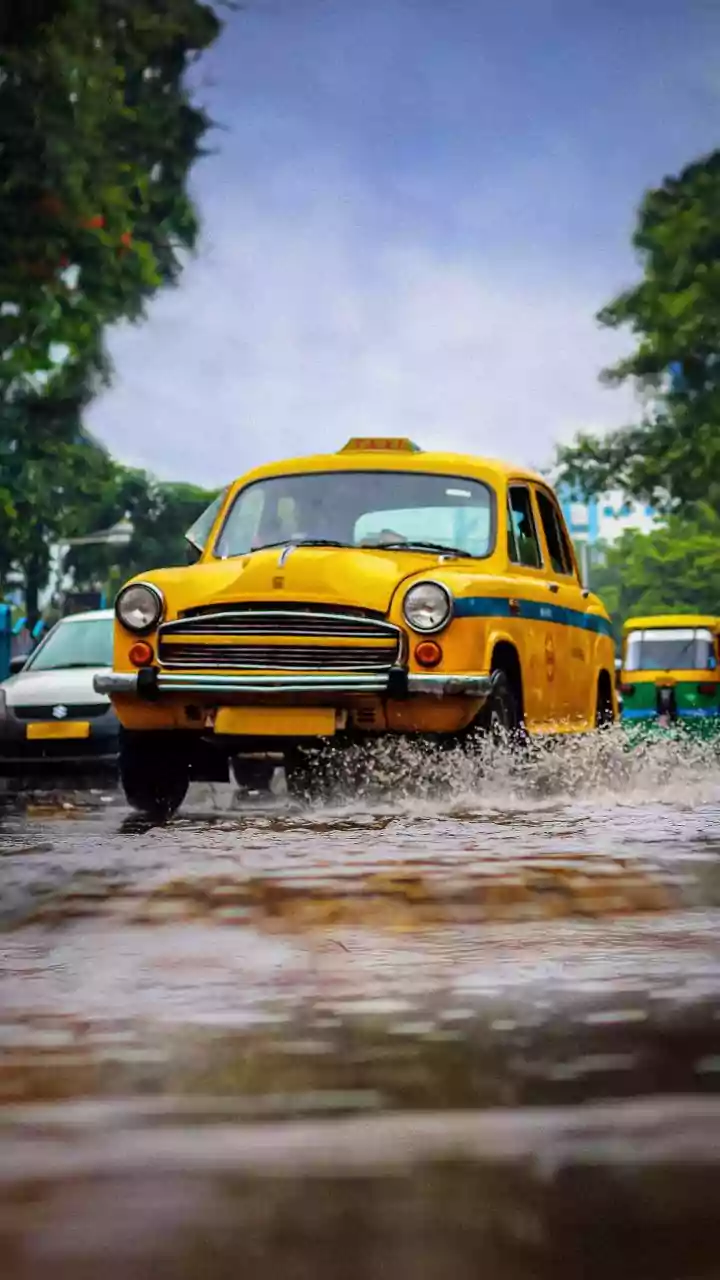
Kolkata's Dazzling Durga Puja
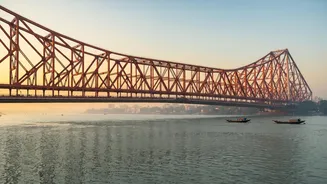
Kolkata during Durga Puja transforms into what feels like the world's largest open-air art gallery. The festival, which celebrates the victory of Goddess Durga, is a vibrant spectacle of artistic creativity, community spirit, and devotion. Elaborate temporary temples, known as pandals, dominate every neighbourhood, each with a unique theme. Following its inclusion in UNESCO's list of Intangible Cultural Heritage, the festival's profile has soared. For 2026, the state government has launched an ambitious global campaign to promote the event, aiming to attract more international and domestic tourists. This includes major promotions and involving thousands of content creators to showcase the city's culture, food, and art. While this means a more electrifying atmosphere, it also points to immense crowds, traffic gridlock, and fully booked accommodations. For travellers, navigating the city requires stamina and smart planning, like visiting pandals in the early morning to avoid the largest crowds.
Varanasi's Ethereal River of Lights
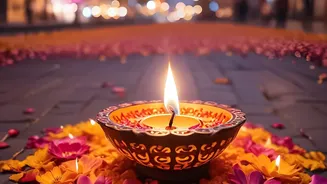
Fifteen days after Diwali, Varanasi celebrates Dev Deepavali, the 'Diwali of the Gods'. On this night, which falls on November 24th in 2026, millions of earthen lamps (diyas) illuminate the city's 80-plus ghats along the Ganges, creating a breathtaking spectacle. It's believed that the gods themselves descend to bathe in the holy river on this day. In recent years, Varanasi has undergone a significant transformation, with major infrastructure projects like the Kashi Vishwanath Corridor making the city more accessible and better equipped to handle large crowds. This has led to a massive surge in tourism, with visitor numbers growing exponentially. The city now offers enhanced amenities, better safety, and more organised experiences, but the sheer volume of people during Dev Deepavali remains a challenge. Booking travel and hotels months in advance is essential, and an evening boat ride on the Ganga is considered the best way to witness the grandeur without being lost in the crowds on the ghats.
The Double-Edged Sword of a Tourism Boom
The travel rush brings undeniable economic benefits. In both Kolkata and Varanasi, the influx of tourists provides a massive boost to local economies, supporting everyone from artisans and boatmen to hoteliers and food vendors. However, this rapid growth is not without its challenges. Overcrowding puts immense strain on public infrastructure, from transport to sanitation. There are growing concerns about the environmental impact and the risk of commercialisation diluting the authentic spirit of these ancient traditions. For local communities, the boom can mean a higher cost of living and the loss of traditional neighbourhood character. The key lies in balancing growth with sustainability. This involves better crowd management, promoting responsible tourism practices, and ensuring that the economic benefits are shared equitably.
How to Navigate the Next Festival Rush
If you're planning to join the festivities, preparation is everything. Book flights and accommodation several months in advance, as prices soar and availability vanishes closer to the dates. Once there, embrace public transport or be prepared to walk extensively, as many areas become pedestrian-only zones. To avoid the most intense crowds, plan your visits to popular spots during off-peak hours, such as early mornings. Engage with a local guide to gain deeper insights into the rituals and stories behind the celebrations. Most importantly, travel with an attitude of respect for the local culture and the spiritual significance of the events. Remember that these are living traditions, not just tourist spectacles. By being a mindful traveller, you can contribute positively to the preservation of these incredible cultural treasures.