






Stay Dry with Waterproof Wear
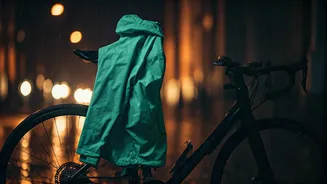
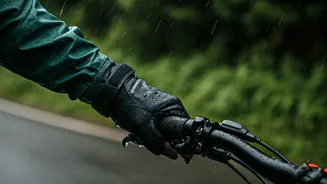
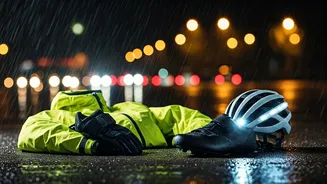
The first line of defence is keeping yourself dry. A high-quality waterproof and breathable rain jacket is non-negotiable. Look for jackets with sealed seams and a '10k' or higher waterproof rating to withstand heavy downpours. [7] A dropped tail at the
back is a bonus, protecting you from road spray. [7] Pair this with waterproof overtrousers that can be easily pulled on over your work pants. [7] Don’t forget waterproof shoe covers or shoes; nothing ruins a commute faster than soggy feet. [18] A cycling cap under your helmet can also be a game-changer, keeping rain out of your eyes. [18, 21]
Be Seen: Lights and Reflective Gear
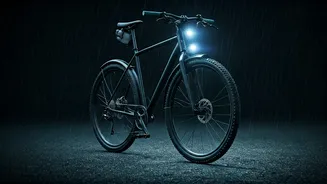
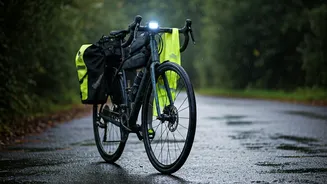
Visibility plummets during a downpour, making it one of the biggest safety concerns. [6, 12] Your goal is to be unmissable. Equip your bicycle with a powerful white front light and a red rear light, and make it a habit to use them even during the day when it rains. [8, 11] Brightly coloured or fluorescent clothing in shades like yellow or orange makes you stand out against the grey backdrop of a rainy day. [8] Many modern cycling jackets and bags come with integrated reflective panels that light up under headlights, which is crucial for early morning or evening commutes. [16]
Protect Your Bike: Fenders and Lubricants
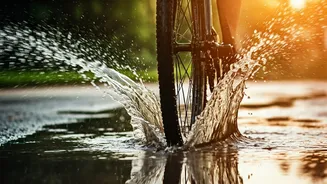
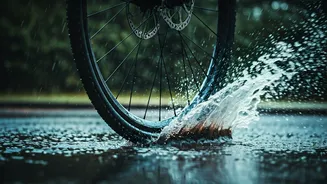
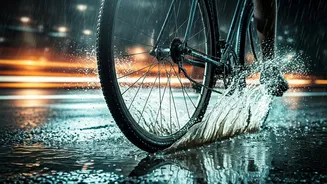
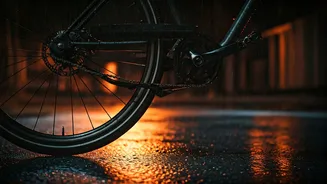
A set of full-length fenders, or mudguards, is perhaps the single best investment for monsoon riding. [19] They prevent water, mud, and grime from splashing up onto you, your clothes, and, crucially, your bike's drivetrain components. [4, 10] After a wet ride, always clean and dry your bike. [3, 5] The chain is particularly vulnerable to rust and wear in wet conditions. [3] Use a bike-specific cleaner to remove grit, then dry the chain thoroughly before applying a 'wet lube', which is a lubricant specifically designed to resist being washed off by rain. [4, 9]
Ensure Grip and Control: Tires and Brakes
Wet roads significantly reduce traction. While no bicycle tire is completely skid-proof, tires with a good tread pattern designed for wet conditions can make a significant difference. [21] Some riders prefer to slightly reduce their tire pressure by about 10-15 PSI, which can increase the tire's contact patch with the road and improve grip. [13] Your brakes also perform differently when wet; braking distances increase significantly. [15] Inspect your brake pads regularly for wear and ensure they are properly adjusted before you head out. [4, 5] Feather your brakes gently to clear water from the rims before you need to stop fully.
Keep Your Essentials Safe and Dry
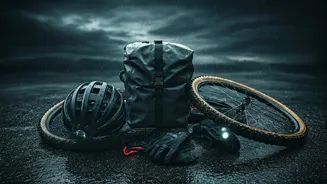
Your phone, wallet, and laptop are not as water-resistant as you are. A fully waterproof backpack or pannier bag is essential for protecting your valuables. Look for bags with roll-top closures and welded seams for the best protection. For smaller items like your phone and keys, a simple transparent zip-lock bag can work in a pinch for short rides, but for daily commuting, investing in a dedicated waterproof handlebar or frame bag is a wise move. [19]