



The Rise of the Indoor Jungle
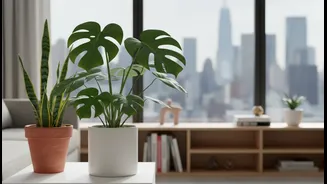
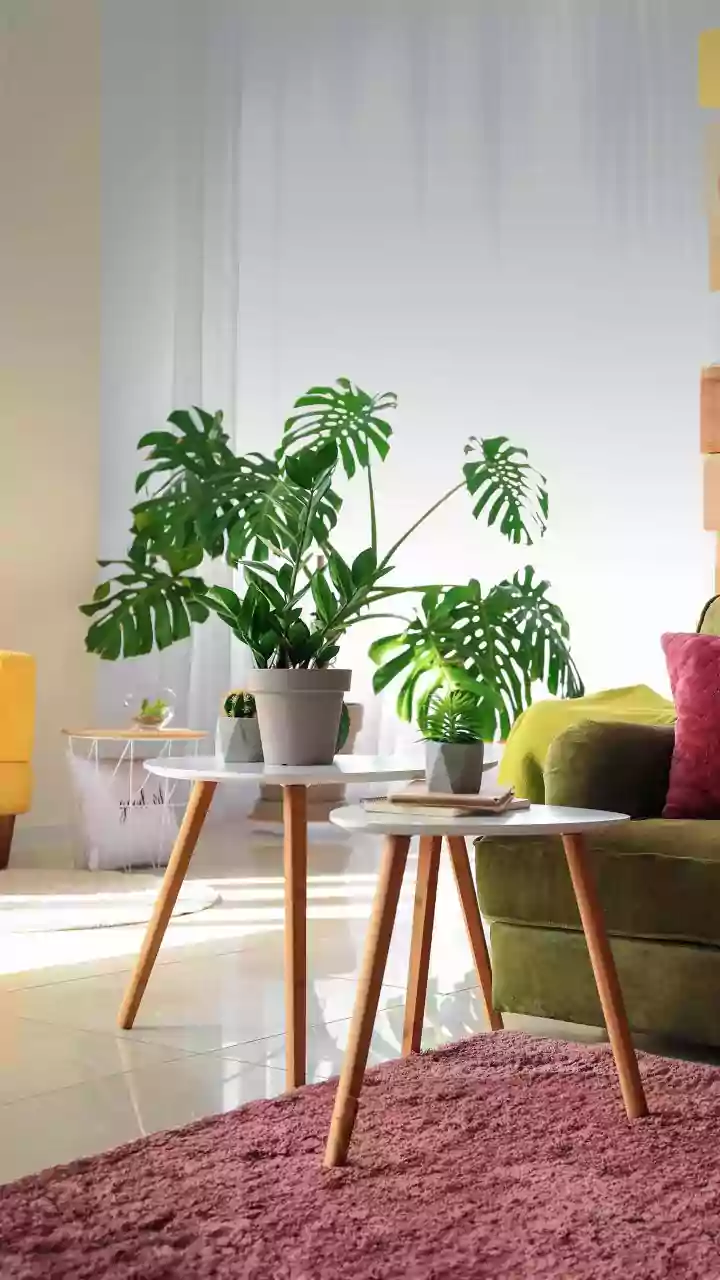
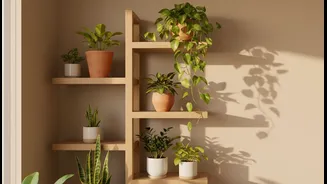
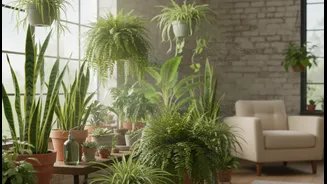
In the concrete confines of urban India, houseplants have become more than just decor; they are living companions that purify the air, reduce stress, and bring a touch of nature indoors. The ‘plant parent’ phenomenon is booming, with millennials and Gen
Z embracing greenery to make their rental apartments and compact homes feel more personal and alive. However, the traditional potting process can be a significant deterrent. Spilled soil, muddy water, pests, and the constant guesswork of watering are common complaints. For many city dwellers with limited space and busy schedules, the ideal is to have beautiful plants without the accompanying mess and maintenance.
Hydroponics: Soil-Free and Effortless
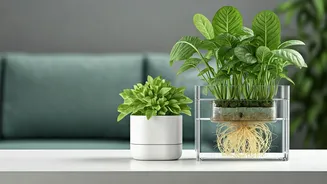
Imagine growing fresh herbs and greens right on your kitchen counter, with no soil involved. That’s the promise of hydroponics. This method involves growing plants directly in nutrient-rich water. Modern hydroponic kits designed for home use are compact, stylish, and increasingly affordable. These systems often come with automated LED grow lights and water circulation, taking the guesswork out of plant care. The benefits are clear: plants can grow faster, use up to 90% less water than soil-based methods, and since there’s no soil, the risk of soil-borne pests is eliminated. It's a clean, efficient, and highly productive way to garden indoors.
Self-Watering Planters: Smart and Tidy
One of the biggest challenges for plant parents is mastering the watering schedule, which often leads to spills and root rot. Self-watering planters are a game-changer. These pots feature a built-in water reservoir at the bottom and a wicking system that allows the plant to draw up moisture as needed. This process, known as capillary action, ensures the soil stays consistently moist but never waterlogged. It prevents the common problems of overwatering and underwatering, reduces water wastage, and keeps the top layer of soil drier, which can discourage pests. For busy urbanites, it means healthier plants with less frequent, and much tidier, watering sessions.
Choosing the Right (and Tidy) Plants
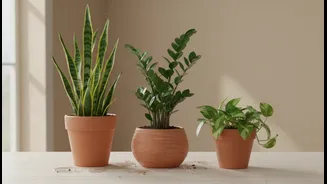
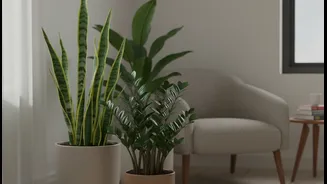
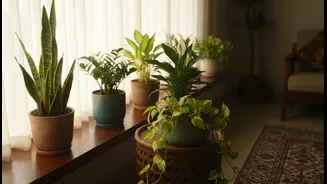
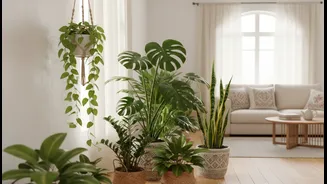
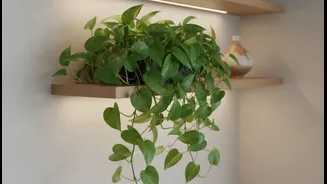
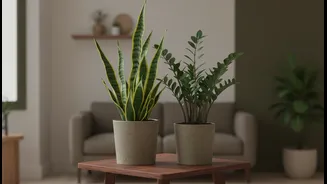
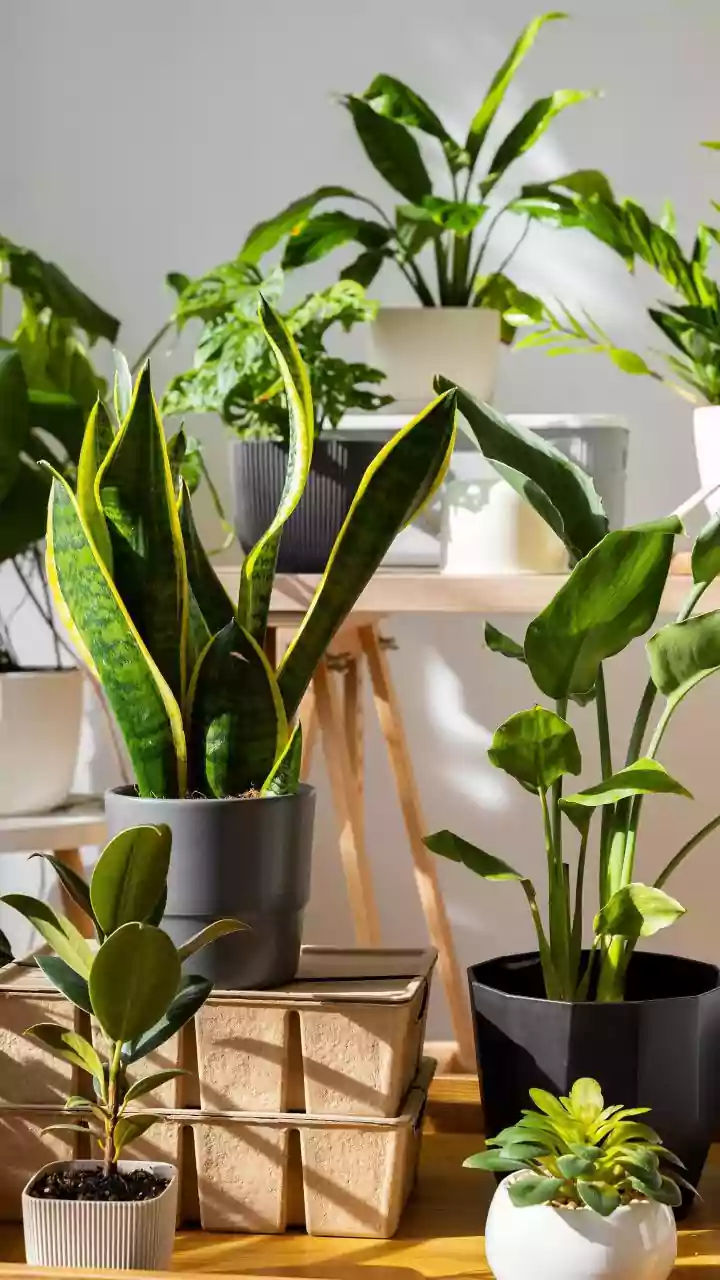
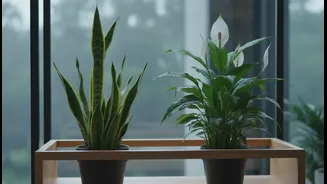
Not all plants are created equal when it comes to mess. Some are inherently tidier than others. For a low-mess indoor garden, consider plants that are hardy and less prone to dropping leaves or needing constant pruning. The ZZ Plant (Zamioculcas zamiifolia) is a top contender, known for its waxy, deep green leaves and ability to thrive on neglect. Similarly, the Snake Plant (Sansevieria) is incredibly resilient, requires infrequent watering, and is an excellent air purifier. Other great options popular in India include the sturdy Areca Palm, Money Plant (Pothos), and various Philodendrons, all of which adapt well to indoor conditions and are forgiving for beginners.
Contained Ecosystems: Terrariums and Kokedama
For those who appreciate living art, terrariums and kokedama offer beautiful, self-contained gardening solutions. A terrarium is essentially a miniature garden inside a glass container. Closed terrariums create their own self-sustaining water cycle, requiring very little maintenance or watering. They are a fantastic way to grow humidity-loving plants without any mess. Kokedama, the Japanese art of growing plants in a moss-covered soil ball, is another elegant option. These 'moss balls' can be hung or placed on a decorative dish, adding a unique, space-saving green element to your home. Watering involves simply soaking the ball every week or two, making it a clean and controlled process.