




The Soothing Power of Comfort Food
There's a real reason we reach for certain foods when the weather turns gloomy. Rainy days can lead to reduced sunlight, which may affect our body's production of mood-regulating chemicals like serotonin. This can leave us feeling a bit sluggish or sad.
As a response, our brain seeks out quick sources of pleasure and comfort, often leading us to foods that are warm, rich, and tied to positive memories. These comfort foods trigger reward centers in the brain, providing a sense of security and satisfaction. The craving isn't just about hunger; it's about seeking warmth, nostalgia, and a little bit of joy when the world outside feels dreary.
A Tale of Two Kitchens
The chocolate lava cake, a dessert that feels timeless, actually has a relatively recent and debated history. One story credits French chef Michel Bras, who says he perfected his *coulant au chocolat* in 1981 after two years of work. His inspiration was the feeling of drinking hot chocolate after a family ski trip, and his method involved baking a cake around a frozen ganache core to create the molten center. However, it was another French chef, Jean-Georges Vongerichten, who popularized the dessert in the United States. Vongerichten claims he discovered it by accident in his New York City restaurant in 1987 when he pulled a chocolate sponge cake from the oven too early and found the center was still liquid but delicious. This happy accident became a sensation, quickly becoming a staple on high-end dessert menus throughout the 1990s.
The Science of Satisfaction
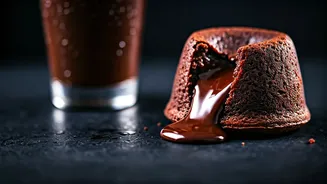
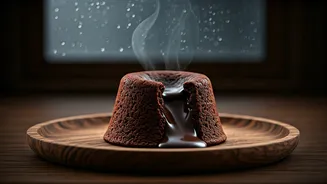
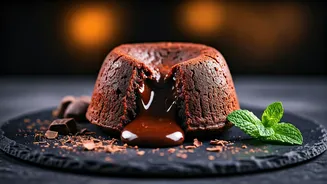
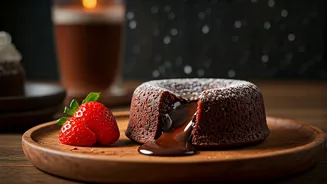
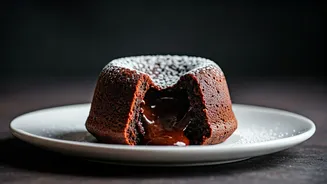
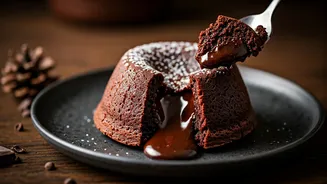
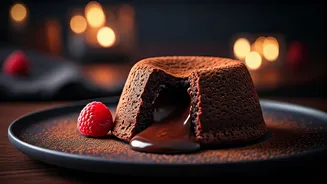
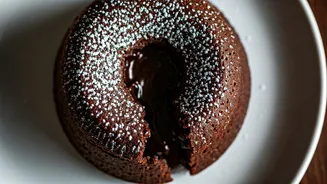
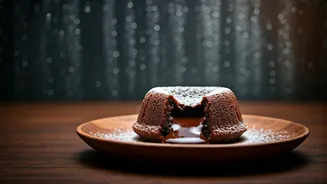
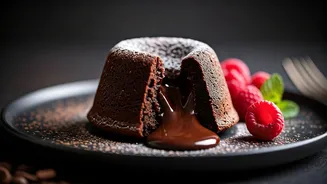
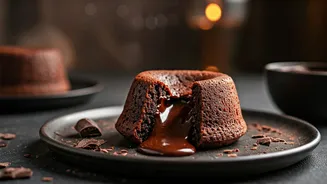
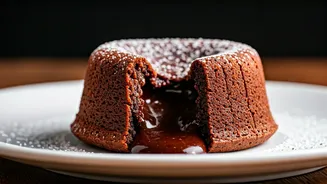
What makes this particular dessert so irresistible? It’s a perfect storm of chemistry and sensory delight. Chocolate itself contains compounds that can influence our mood. The combination of sugar and fat activates the brain's pleasure receptors and triggers the release of dopamine, a neurotransmitter associated with happiness. Furthermore, chocolate can boost serotonin levels, the 'feel-good' chemical our brains might be missing on a cloudy day. Beyond the chemistry, the lava cake is an experience in contrasts. The warmth of the cake, the cool ooze of the 'lava,' the firm exterior, and the soft interior all combine to create a deeply satisfying sensory experience that is hard to resist.
Crafting the Perfect Ooze at Home
While it seems like a complex restaurant dish, the secret to a great lava cake is surprisingly simple: timing and temperature. The goal is to bake the cake at a high heat for a short period, allowing the edges to set while the center remains beautifully undercooked. Most recipes call for a bake time of around 11-13 minutes, and the key visual cue is a cake with firm sides but a center that still jiggles when gently tapped. The quality of the chocolate makes a significant difference, with most chefs recommending a good dark chocolate with 60-70% cocoa for a rich flavour and smooth, flowing center. A common mistake is overbaking; even an extra minute can turn your lava into a standard, albeit delicious, chocolate cake. But don't worry—even an overbaked 'mistake' is still a warm, buttery chocolate cake, which is hardly a failure.
More Than Just a Dessert
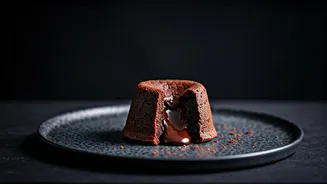
From its beginnings as a fine-dining showstopper to its current status as a beloved classic available everywhere from chain restaurants to home kitchens, the chocolate lava cake has proven its enduring appeal. It represents an accessible luxury, a small way to turn an ordinary evening into something special. It’s the drama of cutting into the cake and watching the 'lava' flow, the immediate warmth that spreads with the first bite, and the rich, uncomplicated taste of pure chocolate. It's a dessert that’s an event in itself. In a world that can feel complicated, the chocolate lava cake is a simple, reliable source of delight. It’s a warm, gooey promise that even on the rainiest of days, a moment of perfect comfort is just a few minutes in the oven away.