




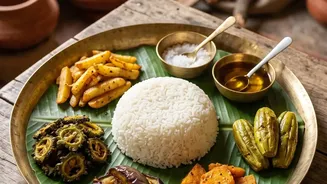
The Southern Start: Rice, Lentils, and Coconuts
South India's breakfast traditions are a masterclass in flavour and texture, built primarily on a foundation of fermented rice and lentil batters. Soft, fluffy idlis, steamed to perfection, are a staple, best enjoyed with a tangy lentil stew called sambar
and fresh coconut chutney. Then there's the dosa, a crispy crepe that can be served plain or stuffed with spiced potatoes (masala dosa). In Kerala, you will find delicate, lacy appams, made with a fermented rice and coconut batter, which are typically paired with a fragrant vegetable stew. These dishes are not only delicious but also showcase the region's agricultural bounty and culinary ingenuity.
Northern Comforts: Hearty Breads and Rich Curries
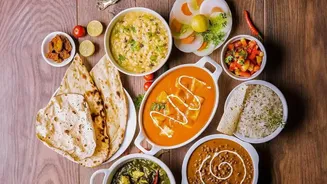
Breakfast in North India is often a hearty and robust affair, designed to fuel a long day. The undisputed king is the paratha, a flaky flatbread often stuffed with spiced fillings like potato (aloo), cauliflower (gobi), or cottage cheese (paneer). It's typically served with a dollop of white butter, tangy pickle, and cool yogurt. Another weekend favourite, especially in Delhi and Punjab, is Chole Bhature—spicy chickpea curry served with large, puffed, deep-fried bread. On simpler days, you might find roti (unleavened flatbread) served with a simple vegetable preparation (sabzi), a combination that is both humble and deeply satisfying.
Western Flavours: Savoury, Sweet, and Spiced
The western states offer a kaleidoscope of breakfast tastes. In Maharashtra, Poha, a dish made from flattened rice flakes tossed with onions, peanuts, and spices, is a beloved light and savoury option. For something more fiery, there is Misal Pav, a spicy sprouted lentil curry topped with crunchy snacks (farsan) and served with soft bread rolls. Further west in Gujarat, the breakfast scene is famous for its steamed and savoury snacks. Dhokla, a spongy cake made from fermented gram flour, is light, healthy, and a regional icon. Another popular choice is Thepla, a soft, thin flatbread often made with fenugreek leaves, perfect for travelling.
Eastern Delights: Simple and Soulful
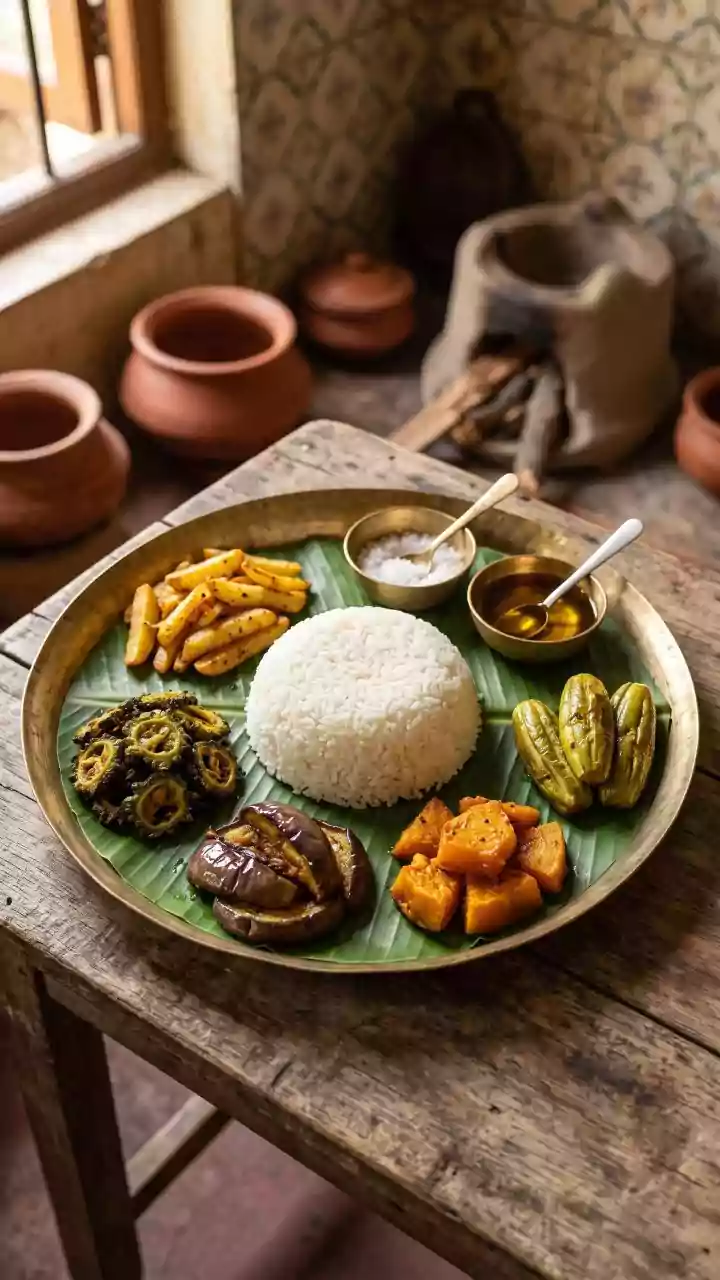
In the east, breakfast often leans towards simpler, comforting preparations. A classic Bengali breakfast is Luchi with Alur Dom. Luchis are soft, white, deep-fried breads made from refined flour, distinct from the wheat-based pooris of the north. They are served with Alur Dom, a slow-cooked potato curry that is both flavourful and aromatic. In Odisha, you might find Chuda Santula, a mix of flattened rice cooked with vegetables, or Chakuli Pitha, a rice-and-lentil pancake similar to a dosa but softer and thicker. These meals reflect a focus on local ingredients and home-style cooking.
Understanding Meal Inclusions in India
When booking accommodation in India, you'll often come across terms like CP, MAP, and AP. 'CP' or Continental Plan includes breakfast with your room stay. 'MAP' (Modified American Plan) includes breakfast and one other major meal, usually dinner. 'AP' (American Plan) includes all three meals: breakfast, lunch, and dinner. A growing trend, especially among domestic travellers, is the preference for plans that specify Indian cuisine. You might see 'CPAI' (Continental Plan All Indian), which guarantees an Indian breakfast instead of a standard continental one. This ensures you get to taste local flavours right where you are staying.
Homestays: The Ultimate Culinary Experience
For a truly immersive food journey, consider staying in a homestay or a farm stay. These accommodations offer a unique opportunity to taste authentic, home-cooked meals prepared with traditional recipes and fresh, local ingredients. Many hosts take pride in their culinary heritage and serve dishes that you won't find on a typical restaurant menu. From learning to cook a regional specialty in the host's kitchen to enjoying a meal made with produce grown in their own garden, a homestay can turn your trip into a rich cultural and culinary experience. It’s a chance to connect with the local way of life, one meal at a time.