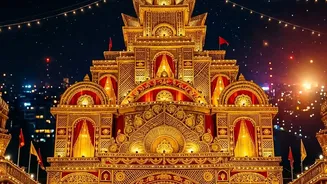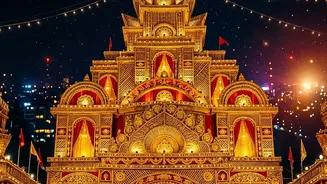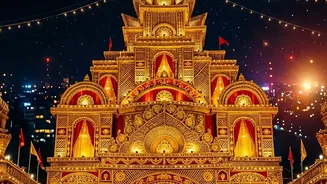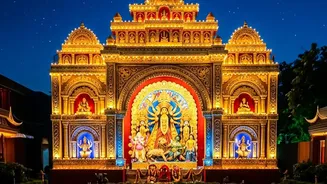


As Ayodhya prepares for its tenth Deepotsav on November 7, 2026, the city is set to transform into a divine spectacle of light and devotion. Here’s your guide to the seven most enchanting experiences at this grand festival of lights.
Witness the Record-Breaking Diya Lighting
The heart of Deepotsav
is the breathtaking spectacle at Ram Ki Paidi, a series of ghats along the sacred Saryu River. Volunteers will aim to light over 30 lakh (3 million) earthen lamps, creating a mesmerising river of light that symbolises Lord Ram's return to Ayodhya. This tradition has consistently set Guinness World Records, and witnessing the ghats blaze to life at dusk is an unforgettable experience. For the best view, it's advisable to find a spot by mid-afternoon, as crowds swell significantly closer to sunset.
Immerse Yourself in the Grand Saryu Aarti
Before the diyas steal the show, the Saryu Maha Aarti creates a powerful spiritual atmosphere on the riverfront. The 2026 event is expected to feature over 2,100 participants, including priests, dignitaries, and members of the public, chanting Vedic hymns in unison. The synchronised rituals, the sound of conches, and the fragrance of incense create a deeply moving ceremony that connects visitors to the city's ancient spiritual traditions. This devotional gathering is a cornerstone of the Deepotsav evening.
Follow the Majestic Shobha Yatra
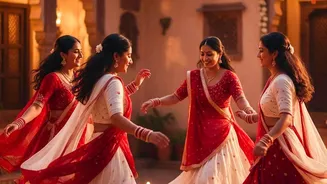
The festivities often kick off with a grand 'Shobha Yatra', a vibrant cultural procession that winds through the city's main streets. Scheduled for November 6, the procession starts from Saket College and concludes at Ram Katha Park. It features dozens of beautifully decorated tableaux depicting scenes from the Ramayana, accompanied by thousands of artists performing regional folk dances from across India. This moving display brings the epic to life and sets a festive tone for the entire celebration.
Experience Ramlila and Cultural Performances
Deepotsav is a celebration of culture, with stages across Ayodhya hosting a rich tapestry of performances. Ramlila troupes, including international groups from countries like Sri Lanka, Nepal, and Thailand, will enact episodes from the Ramayana. The main stage at Ram Katha Park hosts ceremonial events, including the symbolic coronation of artists portraying Ram and Sita. Additionally, nearly 1,000 artists from various states will present traditional music and dance, offering a glimpse into India's diverse cultural heritage.
Be Dazzled by High_Tech Spectacles
Ayodhya masterfully blends tradition with technology. The 2026 edition will feature a spectacular aerial show with 2,100 drones creating formations from the Ramayana in the night sky. This is complemented by a 28_minute presentation at Ram Ki Paidi involving 3D projection mapping on the historic facades, laser shows, and musical fireworks. These modern storytelling techniques offer a dynamic and immersive way to experience the ancient epic, designed to captivate a new generation of visitors.
Explore Ayodhya’s Sacred Temples
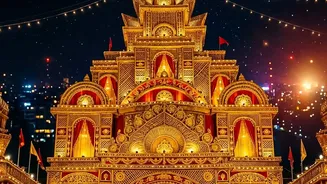
While Deepotsav events are a major draw, a visit to Ayodhya is incomplete without exploring its sacred temples, which are beautifully decorated for the occasion. The newly inaugurated Ram Mandir at the Janmabhoomi complex is the spiritual epicentre. Other important sites to visit include Hanuman Garhi, a temple dedicated to Lord Hanuman perched on a hill, and Kanak Bhawan, known as the 'golden palace' gifted to Goddess Sita. These sites offer a quieter, more personal spiritual experience amidst the grand public festivities.
Discover Festive Markets and Local Cuisine
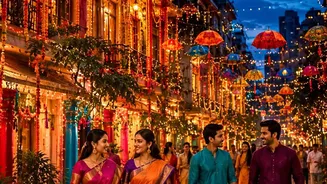
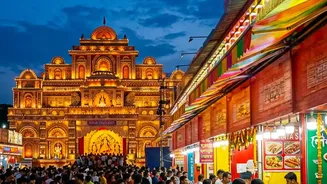
The festive spirit spills over into Ayodhya's streets and markets. As you walk through the illuminated pathways, you’ll find stalls selling everything from religious paraphernalia and traditional handicrafts to local sweets and snacks. The festival is an excellent opportunity to sample Ayodhya's local cuisine. Exploring these bustling markets provides a vibrant, sensory experience of the city's culture and the communal joy that defines Deepotsav. It's also a chance to support local artisans, including the potters who supply the millions of diyas for the event.