






Tyres: Your First Line of Defence
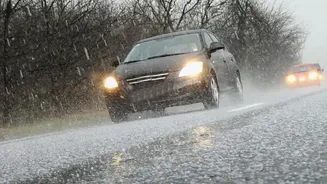
Your tyres are the only part of the car in contact with the road, and on wet, winding hill roads, their condition is critical. Worn tyres are a primary cause of skids and hydroplaning, where a layer of water builds between the rubber and the road, causing
a complete loss of control. Before you leave, check that the tread depth on all tyres is well above the minimum recommended 1.6 mm. Also, inspect the tyre pressure, including the spare, as incorrect inflation affects grip, braking, and handling. Driving on old tyres is also a risk; rubber hardens over time, reducing its ability to grip slick surfaces.
Brakes: The Ultimate Safety Net
Driving downhill in the ghats puts immense strain on your braking system. Brakes that feel perfectly fine on city roads might falter during long, steep descents. Get your brake pads, lines, and fluid checked by a professional. Old brake fluid can absorb moisture from the humid monsoon air, which reduces its effectiveness precisely when you need it most. If you notice any squealing noises or vibrations when braking, get the system inspected immediately. After driving through a waterlogged patch, gently tap the brakes a few times to help dry them out and restore normal performance.
Wipers and Windshield: See and Be Seen
Visibility can drop to near-zero in a matter of seconds during a heavy downpour in the hills. Wiper blades often crack and harden during the intense Indian summer, leaving them ineffective for the first rains. If your wipers leave streaks or skip across the glass, replace them. It’s a small, inexpensive fix that makes a massive difference. Top up your windshield washer fluid, as you'll need it to clear mud and grime sprayed up by other vehicles. For even better visibility, consider applying a rain-repellent coating to the windshield, which causes water to bead up and roll off easily.
Lights and Electricals: Cut Through the Gloom
In the fog and heavy rain common to hill drives, your car's lights are not just for you to see, but for others to see you. Do a complete walk-around of your car and check that all lights are working: headlights (both low and high beam), taillights, brake lights, and indicators. Clean the light covers to ensure maximum brightness, as wet roads tend to absorb more light, making your headlights less effective. It is a good practice to drive with your headlights on (low beam) during rain, even in the daytime, to increase your visibility to oncoming traffic.
Battery and Fluids: The Heartbeat of Your Car
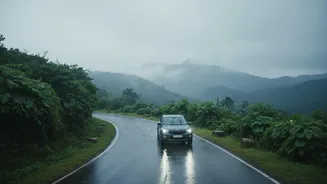
A car breakdown is frustrating anywhere, but being stranded on a remote mountain road in the rain is a nightmare. The monsoon season's humidity can strain an older battery, increasing the risk of failure. Ensure the terminals are clean and the connections are tight. It's also wise to do a quick check of all essential fluids. This includes engine oil, coolant, and power steering fluid. Maintaining correct levels of these fluids is a simple way to prevent overheating and other mechanical issues during a strenuous hill climb.
The Monsoon Emergency Kit: Be Prepared for Anything
Beyond vehicle checks, what you carry inside the car is just as important. For a monsoon hill trip, your standard emergency kit needs a few upgrades. Pack items like a powerful flashlight with extra batteries, a tow rope, and a basic toolkit. A tyre inflator kit can be a lifesaver if you get a puncture far from a repair shop. Also include a first-aid kit, non-perishable snacks, and bottled water in case you get stranded due to a landslide or waterlogging. An umbrella and waterproof sheets or bags are also essential to keep you and your luggage dry.