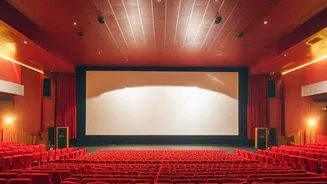








A Trip Down Memory Lane
In recent months, theatres have seen a surge in re-releases, from 90s blockbusters like 'Dilwale Dulhania Le Jayenge' and 'Hum Aapke Hain Koun..!' to more recent cult favourites like 'Rockstar' and 'Yeh Jawaani Hai Deewani'. The trend is a potent mix
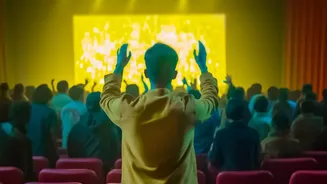
of nostalgia for older audiences and a novel experience for younger viewers who may have only seen these films on smaller screens. For many, the chance to experience the grand visuals and iconic music in a communal theatre setting is a powerful draw, regardless of the film's availability on streaming platforms. Interestingly, it's not just the mega-hits getting a second life. Films that underperformed on their initial run, such as 'Laila Majnu' and 'Rehnaa Hai Terre Dil Mein', have found surprising success and a new audience decades later, often buoyed by a dedicated fan base cultivated online.
The Economics of Nostalgia
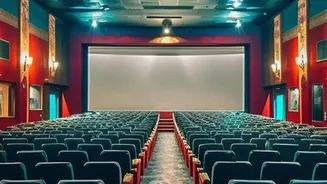
Beyond the emotional pull, the re-release trend is rooted in solid business logic. For theatre owners, these films are a low-risk way to fill seats, especially during periods with a scarcity of new, crowd-pulling releases. With many big-budget films struggling to make an impact at the box office, exhibitors are turning to proven classics to ensure a steady flow of content and keep audiences engaged. For producers and distributors, it's a golden opportunity to generate new revenue from existing intellectual property. The costs associated with a re-release—primarily restoration, marketing, and distribution—are minimal compared to producing a new film, making almost any ticket sale profitable. Some films have even earned more in their second run than they did originally, turning past flops into present-day hits.
A Bridge Between Generations
The phenomenon is more than just a commercial strategy; it's a cultural event. These screenings act as a bridge, allowing different generations to share a cinematic experience. Parents who first saw 'Maine Pyar Kiya' in 1989 can now watch it with their children in the same theatrical environment. This shared viewing fosters a unique connection, giving younger audiences a chance to understand the cultural impact these films had. Filmmakers also see it as a victory for cinema, an affirmation that great films are timeless and deserve to be seen on the big screen as they were intended. It offers a chance to celebrate cinematic heritage and introduce a new generation to the foundations of modern Bollywood, moving beyond the confines of a television or laptop screen.
Preserving a Legacy or Stifling Creativity?
Despite the clear benefits, the trend isn't without its critics. Some industry insiders worry that an over-reliance on past hits could lead to creative stagnation, taking valuable weekend slots away from new and smaller films that need the exposure. The question arises: are we celebrating the past or just avoiding the risks of creating the future? There's a debate on whether the re-release boom is a symptom of a larger issue, where the industry is struggling to produce fresh content that resonates with today's audiences. However, many argue that the two are not mutually exclusive. The market for re-releases is seen as distinct, primarily driven by dedicated fans and nostalgia, and doesn't necessarily detract from the audience for new movies. For now, the enthusiasm suggests that as long as the content pipeline has gaps, classics will be there to fill them.