





In the dense forests of Chhattisgarh, far from the glow of city lights, the night sky is a breathtaking spectacle. But this pristine view, a stargazer's dream, comes at a cost. For the villagers below, it is a nightly reminder of a life lived in darkness.
A Paradox of Beauty and Hardship
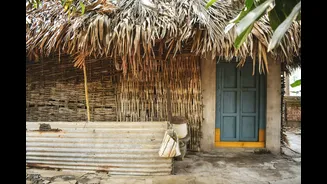
For countless tribal communities in Chhattisgarh's remote forest villages, the cosmos is not a distant concept but a brilliant, ever-present ceiling. The lack of electricity means there is no light pollution to obscure the Milky Way, creating a view of unparalleled clarity. Yet, this natural wonder is a direct consequence of a profound developmental challenge. The same darkness that reveals the stars also plunges homes, schools, and health centers into a nightly struggle. Life after sunset is dictated by the flicker of kerosene lamps or the crackle of firewood. Children strain to study in the dim, smoky light, and the risk of encounters with wildlife like snakes and scorpions rises sharply. For these communities, the starlit sky is a beautiful prison.
The Grid's End: Forests and Fences
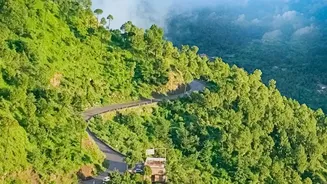
Extending the national power grid into these areas is not a simple task. Many of these hamlets are located within protected forest areas, governed by strict environmental laws like the Forest Conservation Act (FCA) of 1980. This legislation is designed to protect India's vital forest cover from deforestation, requiring central government clearance for any non-forest activity, including laying power lines and building roads. While essential for conservation, these regulations create significant hurdles for infrastructure development. The process of securing a No Objection Certificate (NOC) from the forest department is challenging and time-consuming. Furthermore, the rugged, hilly terrain makes transporting equipment and erecting poles a logistical nightmare, often requiring manual labour where machinery cannot reach.
A Life Governed by Daylight
The absence of electricity has a cascading effect on every aspect of daily life. Education suffers as children find it nearly impossible to study after dark, a factor contributing to school dropout rates. Healthcare is precarious; without power, local clinics cannot store essential medicines or operate basic diagnostic equipment, and emergencies at night become life-threatening. Economic opportunities are severely limited. Small businesses that rely on electricity cannot function, and agricultural activities remain dependent on traditional, less efficient methods. The darkness also deepens a sense of isolation, cutting villages off from the digital connectivity and information access that the rest of the country takes for granted. For decades, many of these areas were also strongholds of Naxal activity, where extremists actively destroyed infrastructure like power lines, further entrenching the isolation and delaying development.
A Ray of Solar Hope
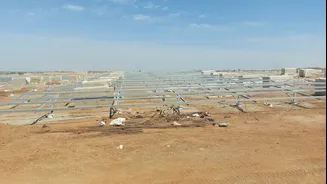
In the face of these challenges, solar power has emerged as a crucial alternative. The Chhattisgarh State Renewable Energy Development Agency (CREDA) has been instrumental in deploying off-grid solar solutions, from individual solar lanterns to village-level micro-grids. These systems bypass the complexities of grid extension and environmental clearances, bringing light to homes and power to community buildings. In many villages, solar energy now powers water pumps under the Jal Jeevan Mission, providing access to clean drinking water for the first time and reducing the daily burden on women and girls. Several villages, like Nathukonha in Dhamtari district and Khaira in Rajnandgaon, have even been celebrated for achieving significant solar coverage, transforming the lives of residents. However, solar power is not a perfect solution. Issues with maintenance, the theft of solar panels, and systems that provide insufficient power remain significant challenges in some areas.
The Slow March of Progress
Despite the hurdles, progress is being made. In recent years, a concerted push by the state government, often in tandem with the establishment of security camps to counter Naxal influence, has led to grid electrification in dozens of villages for the first time in history. Under schemes like the Mukhyamantri Majratola Vidyutikaran Yojana, challenging projects have been completed, bringing immense joy and a sense of connection to long-neglected communities. When the first bulbs lit up in villages like Polampad and Irpanar after decades of darkness, residents celebrated with dancing and bursting crackers. This electrification is often the first step in a broader development push, followed by the construction of roads, schools, and healthcare facilities.