


The Dangers Lurking in Clear Water
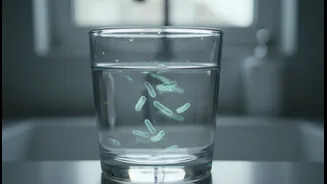
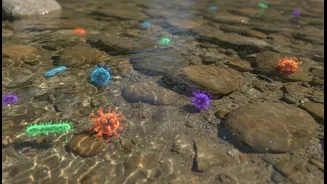
Visually clear water can be deceptive. It can be contaminated with a host of microscopic organisms that pose significant health risks. These invisible dangers include bacteria like E. coli and Salmonella, viruses such as Hepatitis A and Norovirus, and protozoan
parasites like Giardia and Cryptosporidium. Studies of Indian rivers have shown the presence of these pathogens, which can cause diseases ranging from severe diarrhoea and typhoid to cholera. These microorganisms often enter water sources through human and animal waste, and because they are invisible, they can be consumed without any immediate sign, taste, or smell. Relying on sight alone is a gamble with your health, as waterborne diseases are a major concern across India.
Why Your Basic Filter Might Not Be Enough
Many households use basic sediment or carbon filters. These are excellent for removing physical particles like sand, silt, and dirt, and can improve the taste and odour of water by removing chlorine. However, they are generally not designed to eliminate microscopic biological threats. Mechanical filters work by trapping particles, but the pores in basic filters are often too large to catch bacteria, and they are completely ineffective against even smaller viruses. While a simple filter is a good first step, it creates a false sense of security if the primary risk is biological contamination from a source like a stream, which is susceptible to unpredictable contamination events. For true safety from pathogens, a more advanced purification stage is required.
Understanding Advanced Purification Technologies
To effectively combat invisible biological risks, you need to look beyond basic filtration and towards purification technologies. The three main methods for domestic use are Ultrafiltration (UF), Ultraviolet (UV) purification, and Reverse Osmosis (RO).
Ultrafiltration (UF): This method uses a membrane with very fine pores (around 0.01 microns) that physically blocks bacteria, protozoa, and larger viruses. UF works without electricity and doesn't waste water, making it an eco-friendly option.
Ultraviolet (UV): This technology uses UV light to zap microorganisms. A special lamp emits radiation that penetrates pathogens and scrambles their DNA, rendering them unable to reproduce and cause disease. UV purification is highly effective against bacteria and viruses, uses little energy, and doesn't alter the water's taste. However, it is only effective in clear water, as sediment can shield the microbes from the light.
Reverse Osmosis (RO): RO is the most rigorous filtration method, forcing water through a semi-permeable membrane with extremely tiny pores (around 0.0001 microns). This process removes not only bacteria and viruses but also dissolved salts, heavy metals, and other chemical contaminants.
Choosing the Right Upgrade for Your Home
The best choice depends on your water source. For stream water that is generally clear but has a high risk of biological contamination, a combination system is often ideal. A UF + UV purifier offers a powerful two-step defence: the UF membrane removes bacteria and cysts, while the UV lamp deactivates any viruses that might pass through. This combination ensures comprehensive protection against pathogens without removing essential minerals from the water.
If the stream water is also suspected to have high levels of Total Dissolved Solids (TDS), chemical runoff from agriculture, or heavy metals, then an RO system is the superior choice. Many modern RO purifiers come with UV and UF stages (RO+UV+UF) to provide multi-layered purification. In India, it's also wise to choose a purifier that is certified by the Bureau of Indian Standards (BIS), such as those meeting the IS 16240 standard for RO systems, to ensure quality and safety.
Installation and Ongoing Maintenance
Installing an advanced water purifier is not a one-time fix. To ensure it continues to protect your family, regular maintenance is essential. Sediment and carbon pre-filters, which protect the more delicate purification components, need to be replaced periodically as specified by the manufacturer. For UV systems, the UV lamp has a limited lifespan (usually about a year) and must be replaced to maintain its germicidal effectiveness. In RO systems, the RO membrane itself will eventually need replacement, and failure to do so can lead to a drop in performance and potential re-contamination. Always follow the manufacturer's service schedule. A poorly maintained purifier can become a breeding ground for the very contaminants it's supposed to remove.