







The Guardian of Gastronomy: FSSAI
The Food Safety and Standards Authority of India (FSSAI) is the main regulatory body responsible for protecting public health through food regulation. Established under the Food Safety and Standards Act, 2006, it is illegal for any food business, from
a five-star hotel to a local stall, to operate without a valid FSSAI license or registration. This license is not just a piece of paper; it signifies that the establishment is committed to adhering to the safety and hygiene standards mandated by law, which cover everything from manufacturing and storage to distribution and sale.
Behind the Kitchen Doors: What Inspectors Check
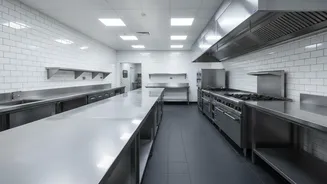
When a Food Safety Officer (FSO) conducts an inspection, it can be either scheduled or a surprise visit. They follow a detailed checklist to ensure compliance. Key areas include verifying the FSSAI license, overall premises hygiene, and proper food handling procedures like the separation of raw and cooked foods. They meticulously assess staff hygiene, including the use of gloves and hairnets, and check for effective pest control, proper waste management, and the quality of water used. Storage is another critical area; inspectors check for correct temperature control for hot and cold foods, ensuring items are stored off the ground and that a 'First-In, First-Out' (FIFO) system is used to prevent spoilage.
From Stars to Smilies: Understanding Hygiene Ratings
To make safety more transparent for consumers, FSSAI introduced the voluntary Hygiene Rating Scheme. This scheme rates eateries on a scale of 1 to 5 based on their compliance with food safety and hygiene standards during an audit. This rating is often displayed as a certificate at the restaurant's premises. While participation is voluntary, a high rating (3 stars or more is considered 'Good') serves as a strong indicator of a restaurant's commitment to safety, giving customers an easy-to-understand benchmark. This system encourages businesses to improve their practices to gain a competitive edge and build customer trust.
Common Violations and Red Flags
Despite regulations, violations do occur. Recent inspections in cities like Bengaluru have uncovered issues even in high-end establishments, including the storage of expired or rotten food, fungal growth on vegetables, and unhygienic kitchen conditions. Common violations flagged by inspectors include poor personal hygiene among staff, inadequate temperature control, structural defects like broken tiles or peeling paint that harbour germs, and improper waste disposal. For diners, visible red flags can include dirty floors or tables, unclean washrooms, and staff with untidy uniforms or who handle food and money without washing their hands.
Your Role: Becoming the 'Eyes' of Food Safety
FSSAI empowers consumers to be active participants in ensuring food safety. If you encounter unhygienic conditions, poor food quality, or any other safety violation, you can report it directly. The 'Food Safety Connect' app allows users to lodge complaints by providing details of the establishment, describing the issue, and even uploading photographic evidence. Every complaint is assigned a tracking ID and forwarded to the relevant authorities for inspection and action. This consumer-driven vigilance helps authorities identify and address violations more effectively, contributing to a safer food environment for everyone.