

Dreaming of a European-style getaway without the hefty price tag? Georgia, a nation at the crossroads of Europe and Asia, is fast becoming the go-to spot for young Indian travellers, thanks to its stunning scenery, rich culture, and affordability.
The E-Visa: Your Digital Gateway
One
of the biggest draws for Indian passport holders is Georgia's incredibly straightforward e-visa process. The entire application is online via the official government portal, meaning no embassy appointments are required. Applicants typically need a valid passport, digital photograph, proof of accommodation, flight itinerary, travel insurance, and recent bank statements. The standard fee is around $20 USD, with a small service charge and a mandatory identity verification fee, bringing the total to about $35 USD. The processing time is usually around five working days, after which the e-visa is delivered directly to your email. It allows for a stay of up to 30 days. Furthermore, Indians holding valid visas or residence permits from countries like the USA, UK, or Schengen states can often enter Georgia visa-free for up to 90 days.
Budgeting Your Adventure
Georgia is famously budget-friendly, especially when compared to Western European destinations. For backpackers, daily expenses for accommodation, food, and local transport can be managed within ₹1,200–₹2,500. A dorm bed in a popular Tbilisi hostel can cost as little as ₹800–₹1,500 per night. Food is both delicious and cheap; a filling Khachapuri (cheese bread) can cost ₹300-₹500, while Khinkali (meat dumplings) are around ₹40-₹60 each. Round-trip flights from major Indian cities like Delhi or Mumbai can be found for ₹32,000–₹42,000 if booked in advance. A comfortable 6-7 day trip can be realistically planned for a total of ₹70,000–₹1,10,000 per person, while strict budget travellers can manage on even less.
First Stop: The Charm of Tbilisi
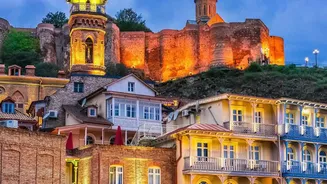
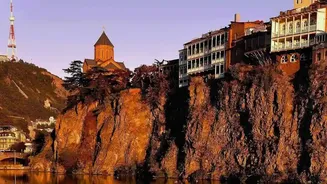
Your journey will likely begin in Tbilisi, the vibrant capital that blends ancient history with a modern, bohemian vibe. The best way to explore is on foot. Lose yourself in the cobblestone alleys of the Old Town, where colourful wooden balconies hang over quiet courtyards. Take the cable car up to the Narikala Fortress for breathtaking panoramic views of the city and the Mtkvari River below. Afterwards, wander down to the Abanotubani district, famous for its historic sulphur baths. For a taste of local life, visit the Dry Bridge Market for unique souvenirs and Soviet-era trinkets. As evening falls, the illuminated Bridge of Peace and the bustling Shardeni Street come alive with cafes and bars.
The Road to Kazbegi
The trip from Tbilisi to Kazbegi (now officially Stepantsminda) is an adventure in itself. The route follows the famed Georgian Military Highway, a dramatic road that winds through the Caucasus Mountains. The most budget-friendly way to travel is by marshrutka (a shared minibus) from Didube bus station in Tbilisi, which costs around 15 GEL and takes about 3-4 hours without stops. However, opting for a shared or private taxi allows for incredible sightseeing stops along the way. Key highlights include the picturesque Ananuri Fortress complex overlooking the Zhinvali Reservoir and the Russia-Georgia Friendship Monument near Gudauri, which offers spectacular valley views. The journey showcases the country's transition from urban energy to raw, mountainous beauty.
Mountain Majesty in Kazbegi
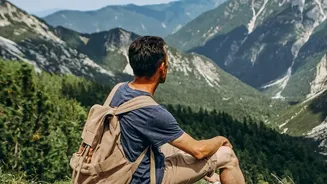
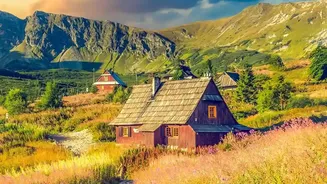
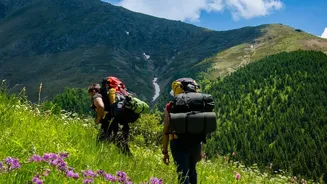
The main draw of Kazbegi is the iconic Gergeti Trinity Church. Perched on a hilltop at an elevation of 2,170 metres, with the snow-capped Mount Kazbek looming in the background, it is one of Georgia's most breathtaking sights. You can reach the church via a challenging but rewarding 90-minute hike or by hiring a 4x4 vehicle from the town centre. The views from the top are unforgettable. The town of Stepantsminda itself is a quiet base for exploring the region's hiking trails, which cater to various fitness levels. For a more relaxed experience, simply find a guesthouse with a mountain view and soak in the serene atmosphere of the high Caucasus.
Practical Tips for Indian Travellers
The local currency is the Georgian Lari (GEL). While credit cards are accepted in most hotels and restaurants in Tbilisi, it's wise to carry cash, especially in mountain regions. English is widely spoken in tourist areas and by younger Georgians. Getting a local SIM card upon arrival is inexpensive and provides excellent connectivity. For vegetarians, Georgia offers a surprising number of delicious options beyond meat, including various types of Khachapuri, Lobio (bean stew), and Pkhali (vegetable and walnut pâté). Finally, travel insurance is now mandatory for all tourists entering Georgia as of January 2026, so be sure to purchase a policy before you fly.