


Understanding the Two Types of Iron
Iron is a crucial mineral that our bodies need to produce haemoglobin, a protein in red blood cells that carries oxygen from the lungs to the rest of the body. Without enough iron, you can feel fatigued, weak, and develop iron deficiency anaemia. Dietary
iron comes in two forms: heme and non-heme. Heme iron is found in animal products like meat, poultry, and fish. It is highly bioavailable, meaning your body can absorb it quite easily. Non-heme iron, on the other hand, is found in plant-based foods such as leafy greens, lentils, beans, nuts, and whole grains. While abundant in many vegetarian and vegan diets, non-heme iron is absorbed less efficiently by the body. This is particularly relevant in India, where a large part of the population follows a vegetarian diet, making non-heme iron the primary source.
The Scientific Boost From Vitamin C
This is where vitamin C, also known as ascorbic acid, comes in as a powerful ally. Research has consistently shown that vitamin C is one of the most potent enhancers of non-heme iron absorption. The science is straightforward: plant-based iron is typically in the ferric (Fe3+) state, which is difficult for our intestines to absorb. Vitamin C acts as a reducing agent, converting this iron into the more soluble ferrous (Fe2+) state, the form our body can readily take in. Essentially, vitamin C captures the non-heme iron and keeps it in a form that's easier for your body to use. Studies have shown this effect is significant; consuming vitamin C with a meal can increase non-heme iron absorption several times over, with some research suggesting it can be doubled or even tripled depending on the meal's composition.
Power Pairings for Your Plate
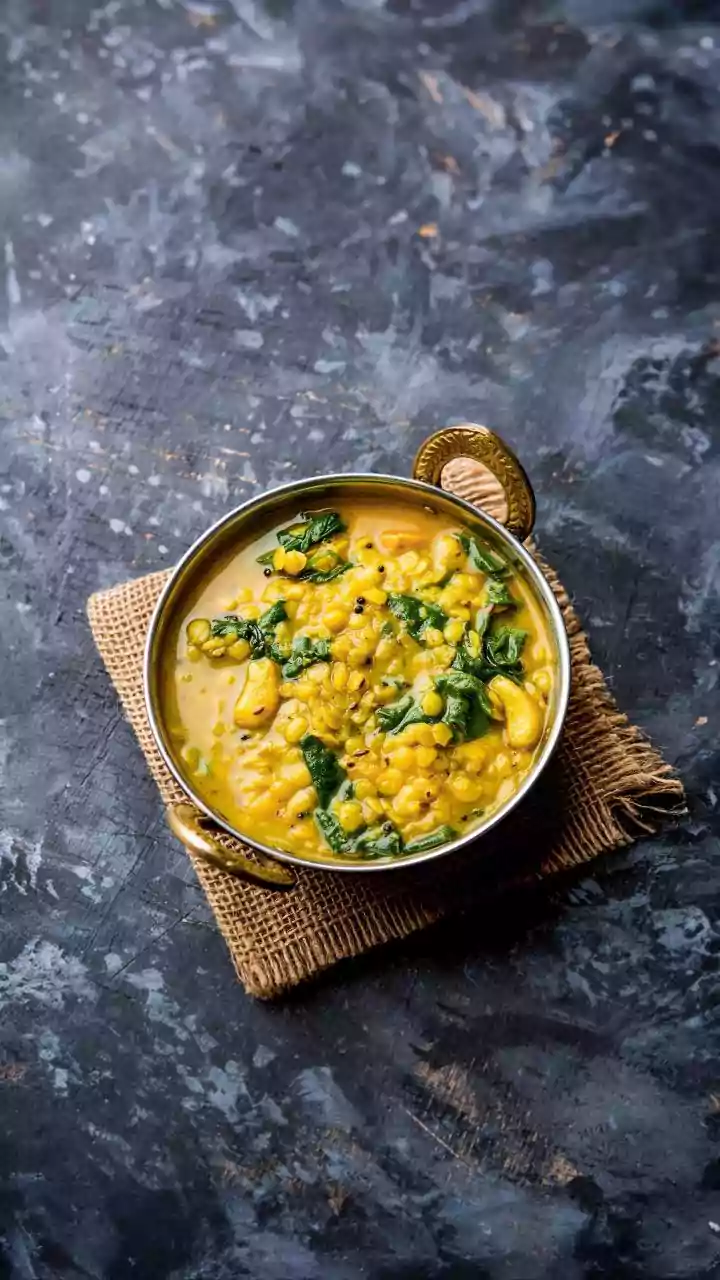
The headline's pairing of citrus and leafy greens is a classic and effective example. A salad with spinach (palak), a rich source of non-heme iron, topped with a lemon or orange-based vinaigrette is a perfect combination. But the possibilities extend far beyond this. India's diverse cuisine offers countless opportunities to apply this principle. Think about adding a generous squeeze of lemon over your dal (lentils) or bean curry (like rajma or chana masala). A side of amla (Indian gooseberry) chutney or a tomato-based salad can also provide the necessary vitamin C boost to a meal centred on whole wheat rotis and vegetable sabzi. Other excellent vitamin C sources to pair with iron-rich foods include bell peppers, broccoli, strawberries, and kiwi. For breakfast, try having a glass of orange juice with iron-fortified cereal or oats.
What to Keep in Mind
Just as some foods enhance iron absorption, others can inhibit it. It's wise to be mindful of these when planning your meals. The main culprits are compounds called phytates and polyphenols. Phytates are found in whole grains, beans, and nuts—many of the same foods that are rich in non-heme iron. Polyphenols, including tannins, are present in coffee and tea. Studies have shown that drinking tea or coffee with a meal can reduce non-heme iron absorption by 60-90%. Calcium-rich foods like milk and cheese can also interfere with the absorption of both heme and non-heme iron. This doesn't mean you must avoid these foods entirely. The key is timing. Try to consume your coffee, tea, or dairy products at least an hour or two before or after your main iron-rich meals to maximize absorption.