








What Exactly Is a Micro-Break?
Forget saving up all your leave for one big trip. A micro-break is a short, intentional getaway, typically lasting between one and four days. It’s longer than a regular weekend but requires far less planning and budget than a traditional, week-long holiday.
Recent reports show a significant shift in travel patterns among young Indians. A survey from June 2026 revealed that 70% of Gen Z travellers prefer taking three short trips over one long annual holiday. Furthermore, 87% favour trips that last under a week, making these bite-sized vacations the new standard. This isn't just about saving time; it's a fundamental change in how travel is viewed—less as a rare event and more as a regular part of a balanced lifestyle.
The Driving Force: Burnout and Spontaneity
So, why is this generation ditching the old holiday model? A major factor is burnout. With high-pressure work cultures and blurred work-life boundaries, travel has become a coping mechanism. These short breaks serve as a crucial 'release valve' for stress. Spontaneity is another key driver. About two-thirds of young travellers book their trips within days or weeks of departure, not months in advance. This flexibility allows them to respond to a free weekend, a friend’s suggestion, or the simple need to escape routine. For this 'anti-itinerary' generation, the absence of a rigid plan is often the entire point. Many intentionally leave their schedules open to allow for rest and spontaneous exploration, with two in three admitting they travel with the explicit intention of doing nothing at all.
Travel as Self-Expression
For Gen Z, a vacation is no longer just about the destination; it’s an expression of identity. An overwhelming 95% state it is important for their trip to feel personal and unique, rather than following a pre-planned, typical tourist trail. This has given rise to 'de-influenced' travel, where 90% of young Indians actively seek out undiscovered places over viral social media hotspots. The focus is on authentic experiences, like exploring local markets and neighbourhood spots, which 81% say they enjoy. It’s about why they want to travel, not just where—a trend dubbed the 'why-cation'. Whether the goal is relaxation, adventure, or culinary exploration, the experience itself has become the primary motivation.
The Pre-Trip Checklist: Check Your Budget
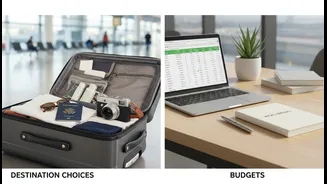
The appeal of a micro-break is its budget-friendliness, but costs can add up if you're not careful. While each trip is cheaper than a long vacation, taking them frequently requires smart financial planning. Before you book, create a realistic budget that accounts for travel, accommodation, food, and activities. Look for hidden costs like surge pricing on last-minute bookings or expensive local transport. Setting a clear budget for each mini-trip ensures your travel habit remains sustainable without causing financial stress. Using public transport like trains or buses and opting for guesthouses can help keep costs down.
Check Your Itinerary (Or Lack Thereof)
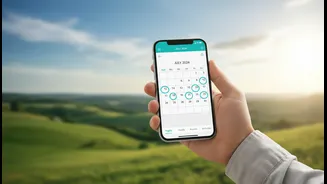
While spontaneity is a hallmark of micro-breaks, a little planning goes a long way. The goal is to rest, not rush, so avoid the temptation to pack too much into a short timeframe. Instead of a minute-by-minute schedule, identify one or two key experiences you don't want to miss and leave the rest of your time flexible. This approach allows you to relax and soak in the atmosphere without the pressure of a checklist. Remember, this generation travels to 'feel' more than to 'see'. Your itinerary should reflect that, prioritising rest and enjoyment over sightseeing overload.
Check Your Packing and Safety
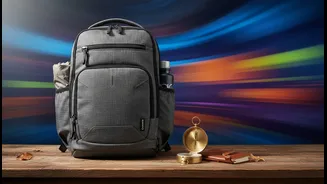
For a short trip, minimalist packing is your best friend. A small backpack with a few changes of clothes and essential toiletries is often all you need. This makes travel easier, cheaper (by avoiding checked baggage fees), and more flexible. On the safety front, especially if travelling solo or to a remote area, always inform a friend or family member of your itinerary and accommodation details. Keep digital and physical copies of your identification and booking confirmations. Have emergency contacts readily accessible. These simple checks ensure your spontaneous escape is both carefree and secure.