

The Secret Season: Why Autumn Shines
While many travellers flock to Meghalaya during the heavy monsoon (June-September) to see waterfalls at their most ferocious, the post-monsoon autumn period from October to November offers a unique and arguably more pleasant experience. This shoulder
season provides the best of both worlds: the landscape is still intensely green and the waterfalls, fed by the recent rains, remain impressive. However, the weather is significantly drier, with clearer skies and comfortable temperatures, making it ideal for trekking and sightseeing without the risk of constant downpours and slippery trails. Crucially, this period sees fewer tourists, allowing for a more peaceful and intimate exploration of the region’s marvels.
Sohra’s Waterfalls: Majestic and Visible
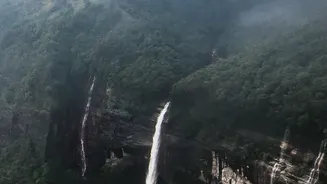
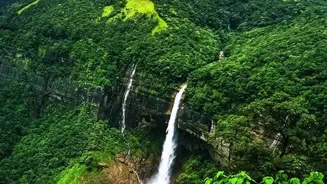
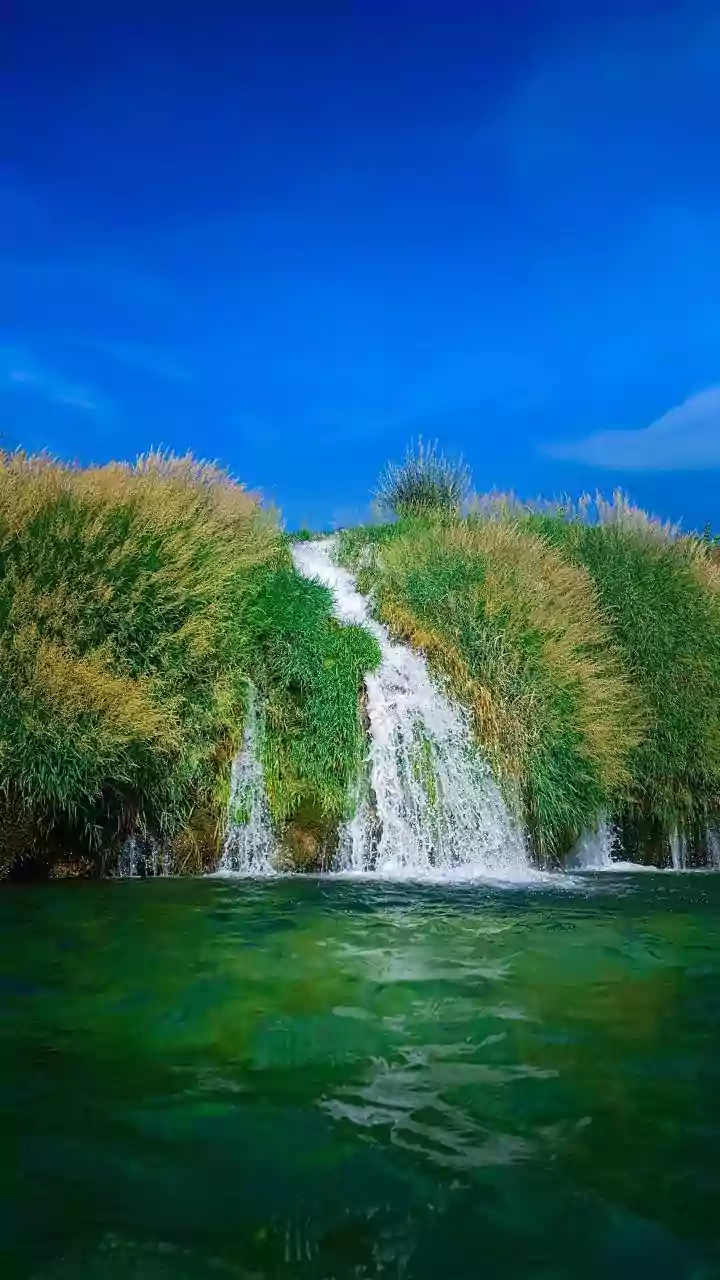
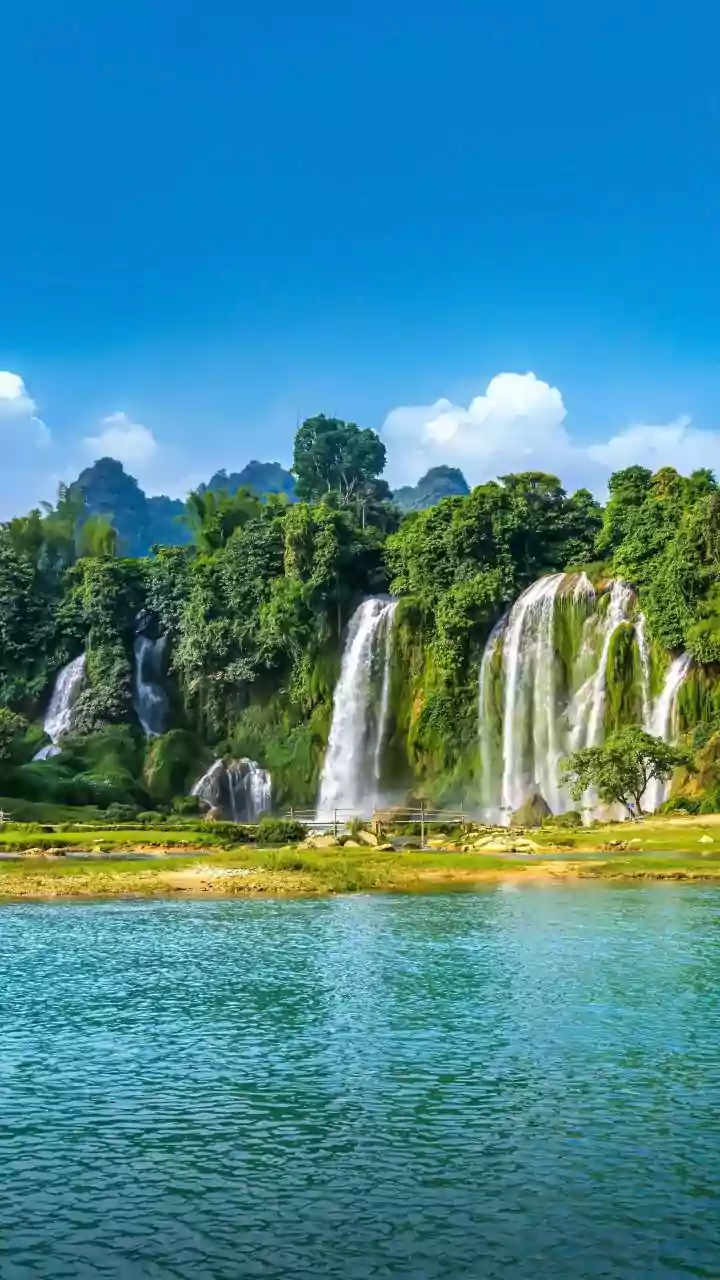
Cherrapunji, officially known as Sohra, is famed for its dramatic waterfalls. In autumn, you can witness these cascades in their full glory without the heavy fog that often shrouds them during the monsoon. Nohkalikai Falls, India's tallest plunge waterfall, is a must-see. While its flow might be slightly less intense than in July, the clearer weather in October and November often provides an unobstructed view of its 340-metre drop into a stunning turquoise pool. Similarly, the Nohsngithiang Falls, or Seven Sisters Falls, is a spectacular sight. The post-monsoon season ensures that several of its seven streams are still active, creating a beautiful panorama against the limestone cliffs.
A Walk Among Living Wonders: The Root Bridges
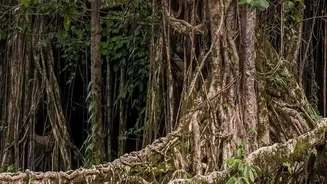
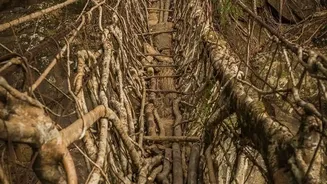
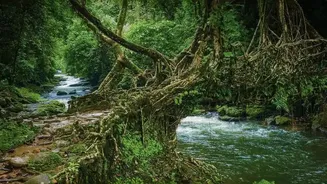
Meghalaya’s living root bridges are a testament to the symbiotic relationship between nature and the indigenous Khasi people. The most famous of these is the Umshiang Double-Decker Root Bridge in Nongriat village. Reaching it requires a significant trek involving over 3,500 steps, and autumn provides the perfect conditions for this adventure. The paths are drier and less slippery than during the monsoon, making the descent and, more importantly, the strenuous climb back up, safer and more enjoyable. The trek itself is an experience, taking you through dense tropical forests, across smaller root bridges and past natural pools with crystal-clear water. For a less demanding option, the Riwai Root Bridge near Mawlynnong village is much more accessible.
Practical Guide for Your Autumn Trip
Planning your Meghalaya getaway is straightforward. The most common entry point is Guwahati Airport (GAU) in Assam, from where it's a 3-4 hour scenic drive to Shillong, Meghalaya's capital. You can also fly into Shillong's Umroi Airport (SHL), which has limited but closer connections. From Shillong, Sohra is another 2-3 hour drive. Taxis and shared sumos are readily available from taxi stands in Shillong's Police Bazar area for travel to Sohra. For accommodation, Sohra offers a range of options from resorts to homestays. Given that autumn is a popular season, booking in advance is advisable. Pack layers of clothing, as mornings and evenings can be cool, along with comfortable, sturdy shoes with good grip for the treks.
Beyond the Main Attractions
While in the Sohra area, take time to explore other natural wonders. Mawsmai Cave offers a safe and well-lit caving experience, showcasing impressive stalactite and stalagmite formations. A drive to Laitlum Canyons offers breathtaking panoramic views of the rolling hills, especially with the clear autumn skies. You can also incorporate a visit to Mawlynnong, often cited as one of Asia's cleanest villages, which provides a glimpse into the local Khasi culture and community-led conservation efforts. A trip to Dawki and the crystal-clear Umngot River is also a popular addition, though the water clarity is typically best from November onwards as silt from the monsoon settles.