



The Unseen Dangers of Lunar Soil
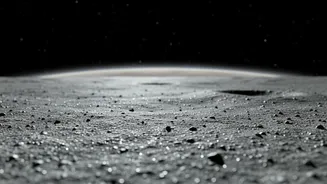
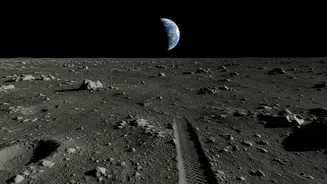
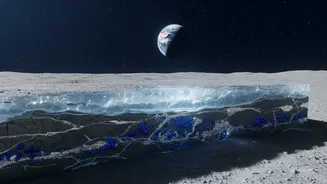
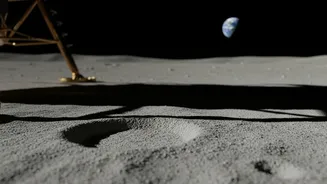
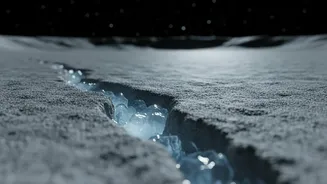
The Moon's surface, or regolith, is not like the soil on Earth. It is a treacherous landscape of fine, jagged, and abrasive dust particles, more akin to tiny shards of glass than sand. This material was formed over billions of years by micrometeorite
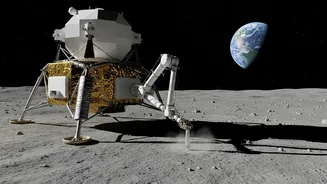
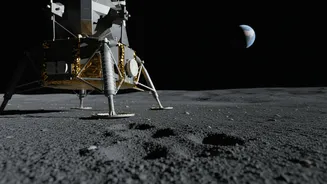
impacts and is not weathered by wind or water. This poses significant risks to machinery and astronauts. The abrasive dust can damage seals, jam equipment, and create hazards during landing and ascent as rocket plumes kick it up at high velocities. Furthermore, the load-bearing capacity and stability of the ground were major unknowns before direct measurement, forcing early missions to over-engineer landing gear for a wide range of uncertain conditions. Without a clear understanding of the subsurface, every future step—from landing a heavier craft to building a habitat—carries enormous risk.
ISRO’s Subsurface Investigation Tools
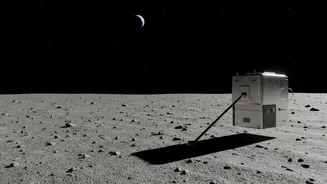
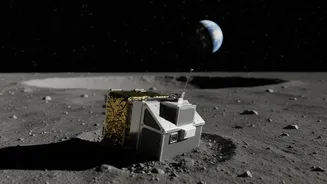
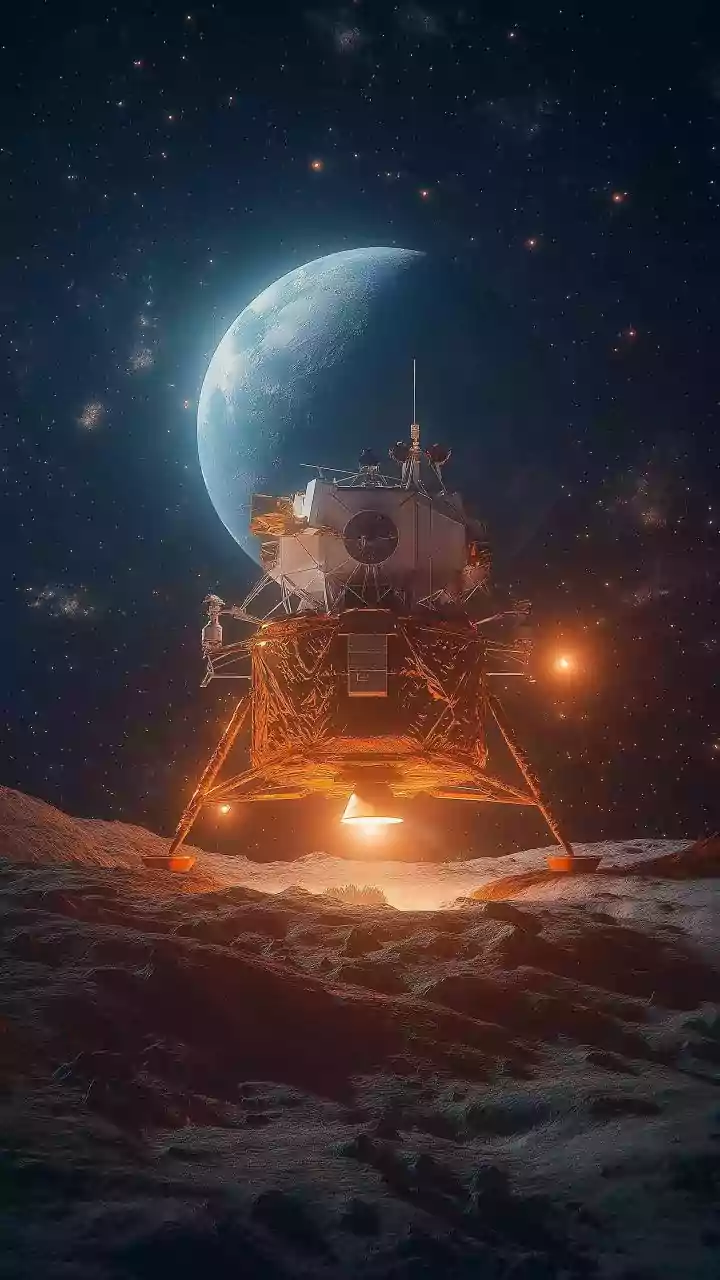
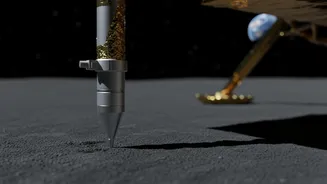
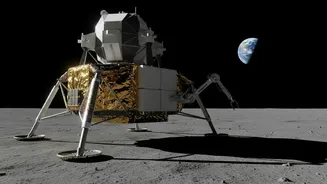
To counter these unknowns, ISRO equipped its Chandrayaan-3 Vikram lander with a suite of sophisticated instruments designed to probe beneath the surface. Two key instruments leading this charge are ChaSTE (Chandra’s Surface Thermophysical Experiment) and ILSA (Instrument for Lunar Seismic Activity). ChaSTE is designed to measure the thermal properties of the top 10 centimetres of the lunar soil, while ILSA acts as a sensitive seismometer, listening for ground vibrations. Together, they provide the first-ever in-situ data on the physical and thermal properties of the lunar south pole's subsurface, a region of immense scientific interest for its potential water ice deposits.
Decoding the Moon's Thermal Secrets
The ChaSTE instrument revealed a startling thermal environment. It recorded a massive temperature difference of nearly 60-70°C between the surface and a depth of just 10 centimetres. This indicates that the top layer of lunar regolith is an incredibly effective thermal insulator—it doesn't conduct heat well at all. This is critical information for mission planners. Any equipment placed on or in the lunar surface must be designed to withstand these extreme thermal gradients. The data helps engineers design better thermal protection systems for rovers and landers, predict how deeply structures might need to be anchored to find stable temperatures, and even model how heat could affect the stability of potential resources like subsurface water ice.
Listening for Rumbles on the Moon
Just as important as temperature is ground stability. The ILSA instrument, the first of its kind to be deployed on the Moon, is designed to detect minute vibrations from natural moonquakes, meteorite impacts, or artificial events like the movement of the Pragyan rover. Early data from ILSA has already challenged previous assumptions that the lunar polar region is seismically quiet, having detected dozens of likely natural events. Knowing the frequency and intensity of seismic activity is fundamental to safety. This data will directly inform the structural engineering of future long-term habitats and landing pads, ensuring they are built to withstand the Moon's subtle but present ground tremors. Without this information, a permanent lunar outpost would be a gamble.
Building Safer Missions from the Ground Up
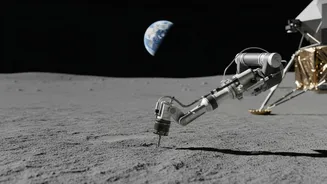
The insights from instruments like ChaSTE and ILSA are not just academic. They provide the ground truth needed to build safer, more efficient, and more ambitious missions. For example, understanding the soil's density and cohesiveness—how it sticks together—is essential for designing drills and excavation equipment for future resource extraction. Knowing the soil's thermal properties ensures that sensitive electronics in rovers and habitats can be properly cooled. The data also helps refine landing procedures, as seen in the 'hop' experiment where the Vikram lander's engines were reignited, providing valuable information on how rocket plumes interact with the regolith. This knowledge is a direct input for designing India’s next ambitious lunar missions, including the Chandrayaan-4 sample return mission and eventual human landings as part of the Gaganyaan program.